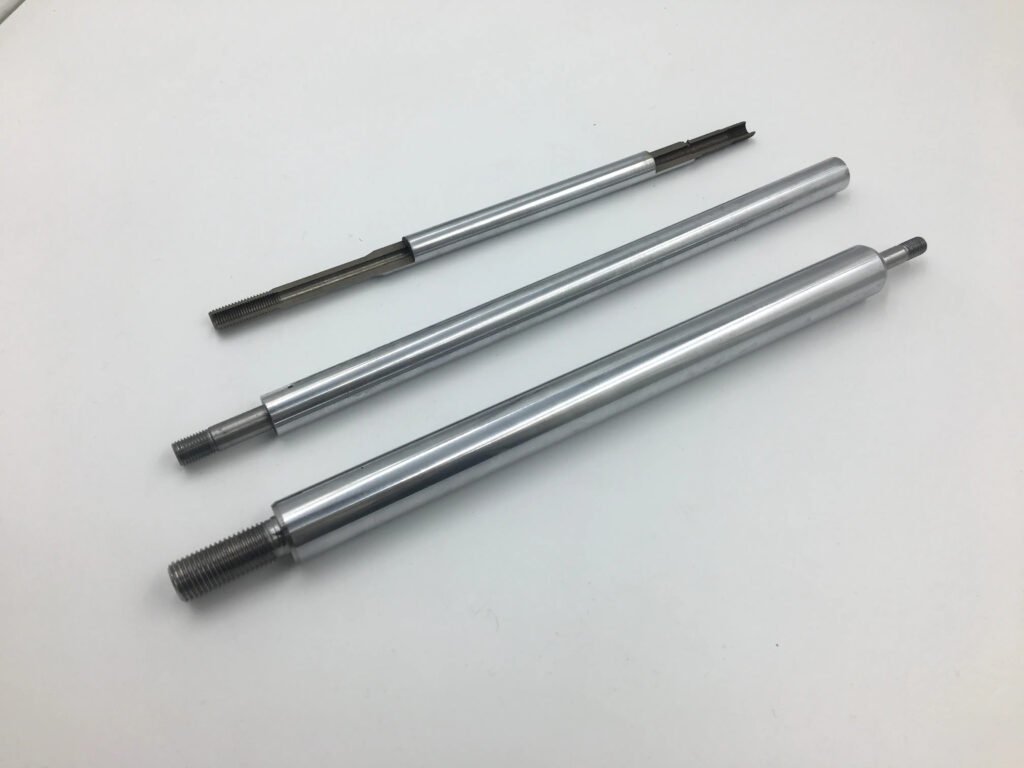
Yes, if the piston rod damage isn’t too severe, it can usually be repaired. After repair, your car will drive more smoothly and safely. Replacing the damaged piston rod also helps the shock absorbers work better, maintaining tire contact with the road and improving ride comfort even when driving over bumpy roads. Max has many years of experience manufacturing high-quality shock absorber components, and you can trust their advice to keep your car in top condition.
Key Takeaways
- You can repair minor damage to the piston rod, such as tiny scratches or slight corrosion. Repairing these damages helps improve vehicle performance.
- Regular cleaning and checking for leaks are crucial. Doing so can prevent serious problems with the piston rod and extend its lifespan.
- If you find deep cracks, severe bending, or oil leaks in the piston rod, seek professional help. They can determine if the piston rod needs to be replaced for safety reasons.
- Using high-quality materials and coatings, such as Max’s products, can enhance the strength of the piston rod and improve its performance.
- When performing work related to vehicle suspension, always use the correct tools and protective equipment to ensure your safety.
Piston Rod Damage Types
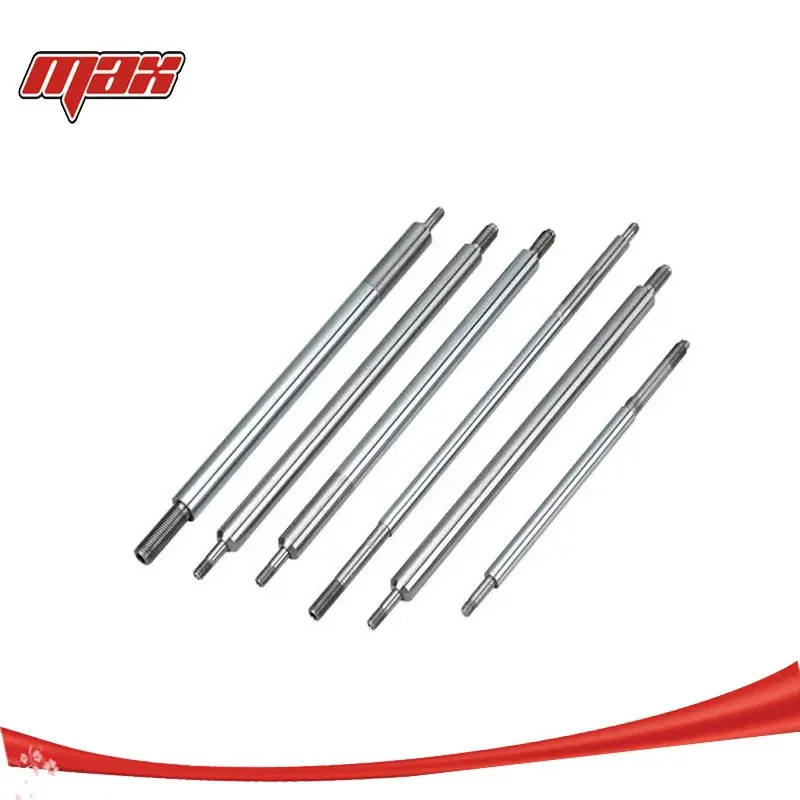
Common Causes
You might be wondering what problems can occur with piston rods. Here are some common causes of damage you should be aware of:
- Using the wrong tools during installation can cause scratches or dents on the chrome-plated surface. This can lead to oil or fuel leaks.
- Incorrect nut placement or tightening direction can damage the threads on the top of the piston rod.
- Paint peeling from the shock absorber housing due to misalignment can put extra stress on the piston rod, causing it to bend or deform.
- Daily driving on rough roads, such as bumpy or potholed surfaces, can cause wear and tear.
- Rust or corrosion, especially when driving in wet or salty environments.
Repairable Damage
Not all damage requires replacing the piston rod. Sometimes, minor scratches, bends, or rust can be repaired. If these problems are detected early, a professional can polish away scratches, straighten a slightly bent piston rod, or remove surface rust. Max uses robust materials such as high-strength steel and special coatings like hard chrome plating and nitriding. These properties make the piston rod more resistant to wear and corrosion, so minor problems can often be repaired.
Below is a brief overview of how different materials and coatings help protect your piston rod:
| Feature | What It Does |
|---|---|
| Wear Resistance | Hard chrome plating effectively prevents wear and rust, extending the lifespan of fishing rods. |
| Stress Concentration | A good heat treatment process can make steel bars tough and less prone to cracking. |
| Fatigue Failure | The clever design of the stress points helps prevent breakage caused by repeated use. |
When Replacement Is Needed
Sometimes, repairs aren’t enough. If you find deep cracks, severe bending, or deformation in the piston rod, it needs to be replaced. Serious damage can jeopardize driving safety. Moisture and high temperatures can also weaken the piston rod’s performance over time, especially if water seeps in and damages the material. If you notice oil leaks, unusual noises, or a bumpy ride, you should have a professional inspect the shock absorber piston rod. Max recommends replacing the piston rod if any signs of serious damage are found to ensure a safe and smooth ride.
Piston Rod Repair Methods
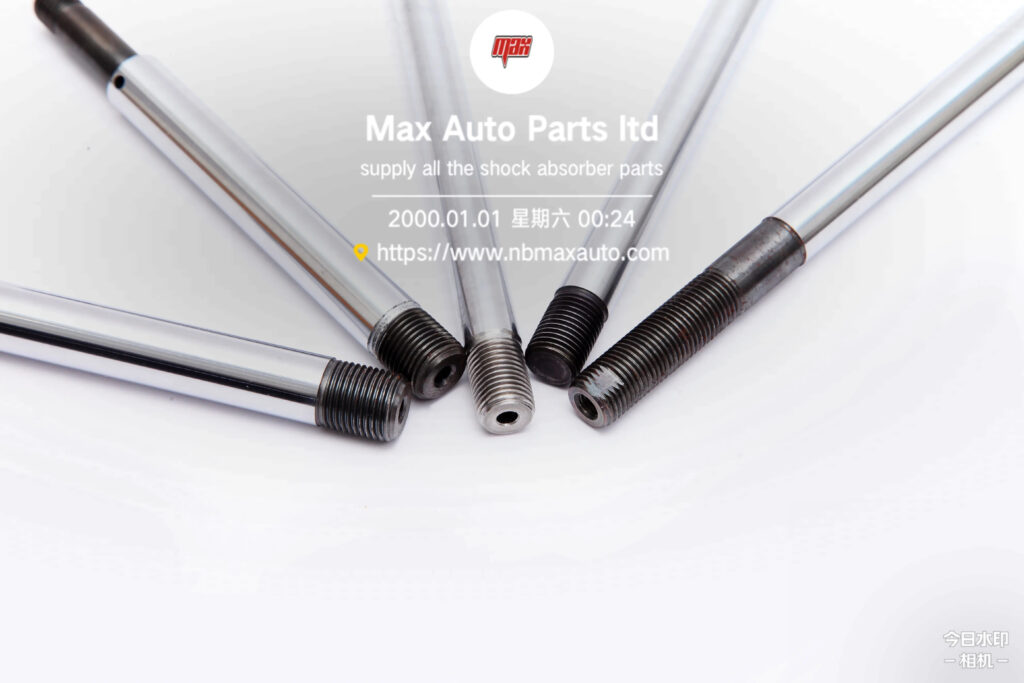
There are several important steps to follow when repairing a piston rod. Each step ensures the shock absorber is restored to its original condition. Let’s take a look at the main parts of the repair process.
Inspection and Diagnosis
First, conduct a thorough inspection. Here’s how you or a professional should check:
- Inspect the piston rod surface for scratches, dents, or rust.
- Check that the piston rod is straight and not bent.
- Remove the piston rod from the shock absorber for a closer inspection.
- Inspect the seals and threads for wear or damage.
- Determine if the damage is minor or requires complete replacement.
Tip: Sometimes, damage is hidden inside the shock absorber. If you hear unusual noises or find leaks, have a professional inspect it.
A professional repair shop will use specialized tools for this task. You may see adjustable wrenches, U-shaped seal installation tools, and locking ring pliers. These tools help to remove and inspect the piston rod without causing further damage.
Surface Repair Methods
If the piston rod has only minor scratches or rust, it can usually be repaired. Here are the common repair steps:
- Polishing and Grinding: A technician uses a machine to grind away the scratches, restoring its shiny surface.
- Welding: For deeper damage, welding can repair the piston rod surface. After welding, the piston rod is plated with a new layer of hard chrome or nitrided to prevent wear and rust.
- Replacing Seals: Wearing seals are replaced to prevent leaks.
After these repairs are completed, the piston rod is ground and polished again. This step ensures a smooth surface and restores it to its original dimensions. If this step is omitted, the shock absorber may not function properly.
Note: Welding or plating operations should be performed by a trained technician. Unauthorized repairs may worsen the situation or even damage other components.
Alignment and Finishing
After surface treatment, the next step is to check if the piston rod is straight. If it’s bent, the technician will straighten it using specialized tools. This step is crucial because even a slight bend can cause serious problems while driving.
After straightening, the piston rod undergoes final polishing. Then, a quality inspection is performed. The technician will measure the piston rod to ensure its dimensions and stiffness meet standards. Max always tests its piston rods in certified laboratories, so you can be confident that you are purchasing a top-quality product.
Below is a brief overview of some common challenges during the repair process:
| Challenge Type | Description |
|---|---|
| Diagnosing Internal Damage | Problems inside shock absorbers are difficult to detect. |
| Worn or Damaged Seals | Old seals can lead to leaks and performance degradation. |
| Rod Thread Breakage | A broken wire can make repairs complicated and require expert help. |
| Improper Repairs | Trying to repair it yourself could lead to greater damage and unsafe driving behavior. |
If you want your car to run safely and smoothly, piston connecting rod repairs should be left to professionals. Max uses high-strength steel and advanced coatings, making its piston connecting rods more durable and perform better than most.
Repair or Replace a Damaged Piston Rod?
Deciding whether to repair or replace the piston connecting rod can be tricky. You certainly want your car to run smoothly and safely, so let’s analyze how to make the right choice.
Assessing Severity
First, you need to check the extent of the damage. Some problems are minor and easy to fix, but others mean you need to replace parts. Here are some things to check:
- If you find severe bending or scratches, it’s usually best to replace the rod.
- If shock absorber parts are hard to find, repair may be your only option.
- If repairing the rod costs more than half the price of a new one, then replacement is more cost-effective.
- If your shock absorbers have been used for a long time, replacing the rod will improve performance.
You should also pay attention to the following warning signs:
| Sign of Damage | Description |
|---|---|
| Leakage of Hydraulic Fluid | Oil leakage means that the seal or rod surface has been damaged. |
| Decreased System Performance | If your car feels less stable or bumpier, it may be due to a bent connecting rod. |
| Abnormal Noises | A scraping or thumping sound usually means that the fishing rod is deformed. |
| Observable Damage | Rusty, bent, or worn parts indicate that the fishing rod needs repair. |
| Contamination of Hydraulic System | Dirt or discoloration of the liquid indicates corrosion inside the shock absorber. |
If you encounter any of the above situations, you should consult a professional.
Cost and Safety Factors
Safety is always paramount. When servicing a car’s suspension system, you need to protect yourself and your vehicle. Here are some important safety tips:
- Wear safety glasses, gloves, and protective clothing.
- Before starting any repairs, ensure the shock absorbers are depressurized.
- Use appropriate tools and lifting equipment to avoid accidents.
- Keep your hands and tools away from moving parts.
- Before driving again, carefully check all connections for leaks.
You also need to consider the cost. If repairing a shock absorber bar costs almost as much as buying a new one, you should opt for replacement. New shock absorbers have a longer lifespan and provide better protection for your vehicle. If your shock absorbers are worn out or have other problems, replacing the entire shock absorber assembly may be more cost-effective in the long run.
Professional Advice
You don’t have to make the decision alone. Max’s team can help you choose the best option for your vehicle and driving style. They offer different types of links to meet various needs:
- In certain driving conditions, longer links provide better torque.
- If you need faster response, such as in racing, shorter links are more suitable.
- Simulation tools can help you select the appropriate link length and settings for your vehicle.
If you’re unsure, consult a professional. They can examine your piston links, explain the various options, and help you choose the safest and most cost-effective solution. With Max’s extensive experience and high-quality products, you can drive with peace of mind, as your suspension system is reliably protected.
Preventing Piston Rod Damage
Maintenance Tips
You certainly want to feel smooth and safe every time you drive. Properly maintaining your shock absorbers helps prevent major problems later. Here are some simple maintenance tips:
- Clean the shock absorber area regularly. Dust and debris can scratch the piston rods and cause rust.
- Ensure the shock absorbers are installed correctly. This step ensures all parts are aligned and prevents jamming.
- When changing the engine oil, check for leaks or worn seals.
- Use appropriate tools when servicing the suspension system. This prevents scratches and dents.
- Inspect and maintain the shock absorbers regularly, especially when driving on rough roads.
- Wipe hard-to-reach areas to keep all parts running smoothly.
- Replace worn bushings and bolts before they cause bigger problems.
Tip: Regular cleaning and maintenance can significantly extend the life of the piston rods and save you on repair costs.
Early Warning Signs
Knowing what to look for can help you spot problems early. Be aware of the following signs that your shock absorbers may need inspection:
- A knocking or ticking sound while driving, especially on bumpy roads.
- An oil leak around the shock absorber.
- Metal shavings found in the oil during a routine check.
- More pronounced vibrations or shaking than usual.
- A decrease in power or a bumpy ride.
- A burnt oil smell emanating from under the vehicle.
- Smoke coming from the exhaust pipe, which may indicate that engine oil is burning.
If you notice any of the above, it’s best to have your suspension system inspected by a professional. Max recommends a regular visual inspection for cracks, discoloration, or unusual wear. You can also have a mechanic measure the length of the rods and check for bends or twists. For best results, schedule a full inspection after a major service or long trip.
Note: Taking action early can ensure your vehicle’s safety and help you avoid costly repairs later.
Many piston connecting rod problems can be fixed if detected early. However, you should always have your vehicle inspected by a professional first.
A professional inspection is crucial for piston connecting rod repairs. They ensure that the repair is performed according to the correct specifications and standards. This helps avoid safety hazards, further damage, or warranty voiding due to errors or guesswork.
Using high-quality parts like Max’s helps extend the life of your car and ensures safety. Here are some long-term benefits:
| Benefit | Explanation |
|---|---|
| Increased Torque Transfer | Shorter connecting rods provide better torque and greater power. |
| Improved Intake Velocity | The faster the piston moves, the better the engine runs. |
| Reduced Engine Weight | A lighter engine helps improve a car’s performance. |
If you’re unsure what to do, consult an expert. They can uncover hidden problems and use the right tools to ensure your car is running well and safely.
FAQ
Can you repair a piston rod at home?
If you have the right tools, you can fix minor scratches or remove rust. However, if the piston rod has problems such as bending, cracking, or welding defects, it’s best to leave it to a professional. Safety first.
How do you know if your piston rod needs repair?
Look for the following signs:
- Oil leaks
- Unusual noises
- Bumpy ride
- Uneven tire wear
If you notice any of these, have your suspension system checked as soon as possible.
How long does a repaired piston rod last?
A properly repaired piston rod can last for many years. Its lifespan depends on the quality of the repair and your driving habits. Using Max’s high-quality piston rods and coatings helps extend the life of your suspension system.
Are Max piston rods better than standard ones?
| Feature | Max Piston Rods | Standard Rods |
|---|---|---|
| Durability | ✅ | ❌ |
| Corrosion Proof | ✅ | ❌ |
| Custom Options | ✅ | ❌ |
With Max, you can get better performance and a longer lifespan.