

Re-chrome plating hydraulic cylinder piston rods can restore them to normal operation and extend their service life. This process removes the old plating, repairs surface damage, and then applies a new plating layer. The chrome plating forms a robust protective layer, preventing the piston rod from rusting and creating a hard, wear-resistant surface that protects the piston rod from scratches. Micro-cracks in the plating better retain lubricating oil, allowing for smoother shock absorber piston rod movement and reducing friction. Chrome plating of hydraulic cylinders contributes to efficient machine operation and extends their service life.
Key Takeaways
Re-chrome plating hydraulic cylinder piston rods can restore them to normal operation and extend their service life.
Check for rust or leaks to determine if re-chrome plating is necessary.
Careful inspection and proper surface preparation are crucial for achieving good chrome plating results.
Re-chrome-plated piston rods have a longer service life than unplated piston rods and improve machine operating efficiency.
For safety and best results, consider seeking professional assistance, as self-repair may lead to further problems.
When to Re Chrome Hydraulic Rods
Signs of Wear or Corrosion
Hydraulic cylinder rods operate in harsh environments. Over time, problems may arise. The following may be noticeable:
Pitting or scratches on the rod surface
Rust spots or discoloration
Oil leakage around the rod seals
Rod bending or damage due to impact
Unsmooth or unstable lifting action
Corrosion can cause leaks and affect the normal operation of the system. Rust can damage the cylinder seals when the rod returns to its original position. This can cause the entire system to stop working. Operators should inspect the rods frequently, especially if the machine has been parked outdoors for extended periods with the rod extended.
Performance Issues Indicating Repair
When the rod is not functioning properly, the hydraulic cylinder needs maintenance. Some common problems include:
Power loss during operation
Reduced cylinder drive speed
Internal leakage paths
Increased coefficient of friction
Seam wear and reduced force output
These problems can cause the machine to run slowly or unevenly. Seal wear and leaks reduce the strength of the system. Checking for leaks and wear on the cylinder seals helps to detect problems early.
Assessing Rod Condition for Rechroming
Not all piston rods are suitable for rechrome plating. Before chrome plating a hydraulic cylinder, the piston rod needs to be carefully inspected. Surface defects must be repaired to achieve a good chrome plating result. Cleaning and etching help the new plating adhere better. Depending on the shape of the piston rod, it can be treated with methods such as grinding, polishing, and chemical etching.
Tip: Careful quality inspection and testing, such as non-destructive testing, can ensure the strength of the chrome-plated piston rod.
After treatment, polishing and grinding can smooth the piston rod surface and maintain its dimensions. If the piston rod is severely damaged or bent, replacing the piston rod may be better than rechrome plating. A common question is, “How often do hydraulic cylinder piston rods need to be chrome-plated?” The answer depends on your usage, installation location, and maintenance. Regular inspections help you determine when rechrome plating or replacement of damaged hydraulic cylinders is necessary.
Re Chrome Hydraulic Cylinder Process

Inspection and Surface Prep
The hydraulic cylinder chrome plating process begins with a careful inspection. Technicians will check the piston rod for bends or deep scratches. They will use tools to check if the piston rod is straight. If the piston rod looks good, they will begin preparation work.
Proper preparation of the piston rod is crucial for ensuring a strong chrome plating on the hydraulic cylinder. Workers remove dirt, oil, and old grease. They use specialized cleaners and chemicals to remove rust and oxides. Sometimes, they also use chemicals to activate the metal surface. This helps the new plating adhere better. Finally, the piston rod is rinsed with clean water to remove all residue. Good preparation helps extend the life of the chrome plating and maintain its strength.
Tip: Regularly inspecting and cleaning the piston rod helps detect problems early. This helps extend the life of the hydraulic cylinder’s chrome plating.
Chemical Stripping and Plating
After cleaning, workers remove the old chrome plating. They use chemicals such as hydrochloric acid, sulfuric acid, or sodium hydroxide. Workers wear safety protective equipment and work in safe locations to avoid inhaling harmful fumes and skin damage.
Once the rod is clean, chrome plating can begin. The rod is placed in a chrome plating bath. When electricity is applied, a new chrome layer forms on the rod surface. This is called hard chrome plating. Hard chrome plating forms a tough, bright coating that protects the rod from rust and wear. The thickness of the chrome plating on each side of a hydraulic cylinder is typically 0.0005 to 0.0015 inches. Heavy-duty rods may require plating thicknesses up to 0.002 inches. Appropriate plating thickness helps the rod function better and extends its service life.
Addressing Pitting and Damage
Before chrome plating a hydraulic cylinder, workers will repair pitting and damage. They will choose the appropriate repair method based on the depth of the pitting. The following table lists the repair methods for the rods:
Repair Method | Description |
|---|---|
Surface Treatment | For small pits, workers use metal filler or epoxy. They sand the rod smooth. |
Protective Coating | After fixing, a special coating helps stop new pits from forming. |
If the rod has small pits, filling and sanding can fix it. If the rod has deep pits, it is better to replace it. Fixing the rod first helps the new chrome layer be even and strong.
Polishing and Quality Checks
After chrome plating, the piston rod requires finishing. Workers grind the piston rod to ensure proper dimensions and polish it to a smooth, shiny finish. This helps the seals function better and reduces friction.
Next, workers inspect the piston rod for quality. They measure the thickness of the chrome plating and test its hardness. They also check for cracks, weak points, or poor adhesion. Some factories use specialized tools to inspect the piston rod without damaging it. If the piston rod passes all tests, it is ready for use. Proper inspection helps extend the lifespan of the chrome plating on the hydraulic cylinder and improves its performance.
Note: If the piston rod is not bent or severely damaged, it can be re-chrome-plated multiple times. This reduces costs and is more environmentally friendly.
Pros and Cons of Hydraulic Cylinder Chroming
Benefits for Cylinder Performance
Chrome plating on hydraulic cylinders helps improve machine operating efficiency and lifespan. The chrome plating makes the piston rod hard and smooth, preventing rust and wear. Here are some advantages:
The chrome plating protects the piston rod from damage.
Tests show that a standard piston rod breaks after 350,000 cycles, while a re-chrome-plated piston rod can last for over a million cycles.
The metallic coating has virtually no micropores, which helps prevent rust and wear.
The chrome plating traps fluid in tiny cracks, which helps the piston rod move smoothly and prevents seal wear.
Less heat buildup results in longer part life and lower energy consumption.
The hard chrome plating makes the piston rod strong and smooth, meaning you don’t need frequent maintenance.
The chrome-plated surface is very hard and can withstand dirt and grit in the fluid.
Field testing shows that even in harsh environments, hard chrome piston rods last five times longer than standard piston rods.
Note: Chrome plating can restore a piston rod to its original condition, or even make it better than before.
Limitations and Risks
Re-chrome plating hydraulic cylinder piston rods also presents some challenges. Not all piston rods can be re-chrome-plated. The following points should be considered:
If the piston rod is bent, cracked, or severely damaged, re-chrome plating cannot repair it.
Specialized tools and skills are required for workers to perform this task correctly.
Inadequate cleaning or improper plating of the piston rod can create weak points, leading to premature piston rod breakage.
This process uses potent chemicals and must be handled and disposed of safely.
Re-chrome plating multiple times can alter the size or shape of the piston rod, causing it to no longer fit properly with the cylinder.
Cost and Longevity Factors
Re-chrome plating hydraulic cylinder piston rods is generally more economical than purchasing a new rod. Most repair shops charge between $100 and $400. This can result in significant repair savings. Here are some things to keep in mind:
Factor | Details |
|---|---|
Cost | Re-chrome plating is cheaper than replacing a new rod, especially for large or custom rods. |
Lifespan | A re-chrome-plated rod can last as long as, or even longer than, a new rod. |
Suitability | Best suited for rods with surface damage, not those with deep damage. |
Value | Reduced repair frequency and downtime, resulting in long-term cost savings. |
Tip: Before choosing to chrome plate a hydraulic cylinder, always inspect the condition of the rod. If the rod is severely damaged, it is best to replace it with a new one.
Alternatives for Repair of Damaged Hydraulic Cylinders
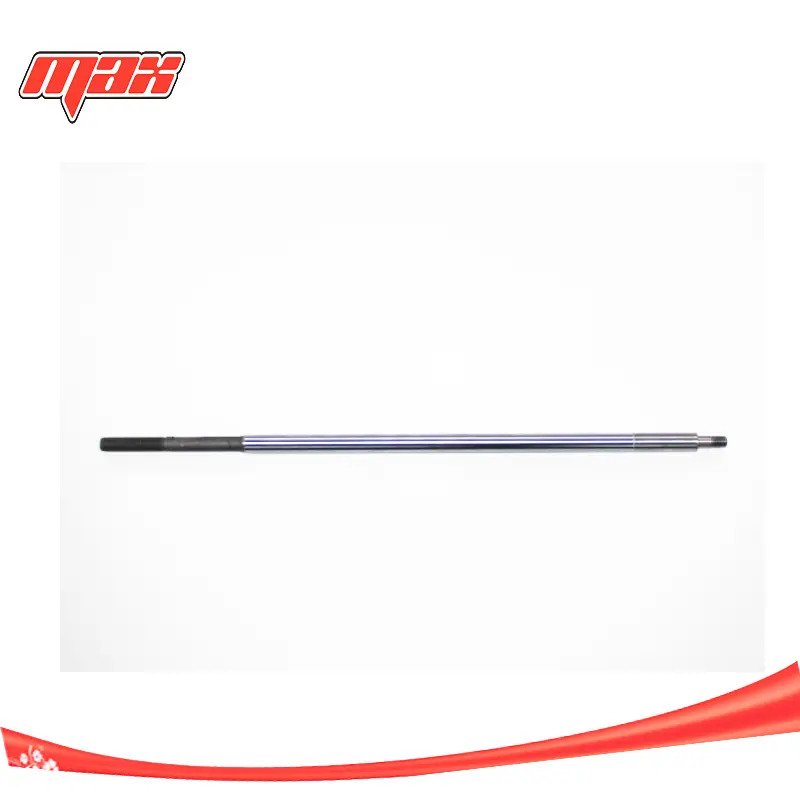
Replacement Rods vs. Rechroming
If a connecting rod is severely bent or cracked, replacement is generally better than chrome plating the hydraulic cylinder. Technicians will weigh the time and cost of each option. The table below lists the differences between the two options:
Service Type | Cost Consideration | Turnaround Time Consideration |
|---|---|---|
Rod Replacement | Usually costs less for small repairs. | Can be faster than full replacement, based on damage. |
Rechroming | Might cost more because of materials and labor. | Sometimes takes longer because rechroming has more steps. |
Connecting rod replacement is best suited for severely bent or cracked connecting rods. Rechrome plating is suitable for connecting rods with only minor surface issues or slight pitting. Both methods use chrome plating to protect the connecting rod, but replacement does not require prior surface repair.
Other Plating and Surface Treatments
Many repair shops offer other connecting rod coating treatments besides chrome plating. These methods help extend the connecting rod’s lifespan and improve its performance. The following table lists some common coating types:
Coating Method | Description |
|---|---|
High Velocity Oxygen Fuel (HVOF) | Uses burning fuel to spray tungsten carbide, chromium carbide, or nickel onto the rod. |
Laser Metal Deposition (LMD) | Uses a laser to melt metal powder such as nickel, steel, or carbides onto the rod. |
Thermal Spray | Forms a coating on the rod by spraying it with heat. |
Physical Vapor Deposition | Deposits a thin layer of material onto the rod using a vacuum. |
Electroless Nickel Plating | Plates nickel onto the rod using chemicals, without the need for electricity. |
Thermal spraying can repair damaged areas and enhance the strength of the rod. Polishing can provide temporary relief, but it is not as durable as chrome plating. Each method uses different materials and processes to ensure the safety of the rod.
When Alternatives Are More Practical
Other options are equally applicable when the piston rod is severely damaged or requires rapid repair. Welding and machining can repair some surface problems before plating. If the piston rod requires additional rust protection, repair shops will use thermal spraying or chemical nickel plating. These methods are often chosen if chrome plating is too time-consuming or expensive.
Tip: Always choose a repair solution that matches the piston rod problem and the machine’s needs. While quick repairs like polishing may be effective in the short term, a better plating layer lasts longer.
When the piston rod cannot be chrome-plated again, or when chrome plating the hydraulic cylinder is too time-consuming or expensive, other solutions are the best option.
Professional vs. DIY Hydraulic Cylinder Repair
Why Professional Service Matters
Professional repair provides higher quality hydraulic cylinder repair services. Well-trained technicians master the chrome plating process from start to finish. They use specialized tools to check if the piston rod is straight. Repair shops follow strict procedures to remove the old plating and repair damage before applying new chrome plating. This creates a strong, even protective layer for the piston rod. Professionals test the piston rod after plating to ensure its safety. Many repair shops offer warranties, giving equipment owners peace of mind.
The table below lists important factors to consider when choosing between professional repair or DIY repair:
Factor | Description |
|---|---|
Quality of Repair | Picking a good repair shop means the cylinder is fixed well. |
Costs | Repairs are usually cheaper than buying a new cylinder, but you should carefully calculate all costs. |
Repair Time | Consider how long the repair or replacement will take, as this can affect your work efficiency. |
Energy-Efficiency Costs | Damaged parts will cause the machine to consume more energy, so this can influence your choice. |
Regularity of Repair | Frequent repairs may indicate a larger problem, so repairs may be more appropriate. |
Safety and Equipment Needs
Chrome plating involves strong chemicals and high-voltage electricity. Workers must wear protective gear and adhere to regulations. Specialized workshops are equipped with specialized machines to remove old chrome plating and apply new plating. They also use machines to grind and polish the rods.
DIY Challenges and Risks
Repairing chrome plating on hydraulic rods yourself carries numerous risks. Most people lack the appropriate tools. If the rod is not clean or smooth, the chrome may not adhere properly. Uneven plating can lead to leaks or damage to seals. The chemicals used in the chrome plating process can burn the skin and produce harmful fumes. Improper handling can damage the rod or render it unsafe. Professional repair services are more effective and ensure equipment safety.
Re-chrome plating can be very helpful if the hydraulic cylinder rod has minor rust or small dents. The table below lists the treatment methods for different degrees of damage:
Damage Level | Scoring Depth | Recommended Action |
|---|---|---|
Light | Less than 0.0001″ | Polish with 600-grit emery |
Moderate | 0.0001″ to 0.0005″ | Rechrome the damaged spot |
Severe | More than 0.0005″ | Replace the whole rod |
Professionals can quickly complete chrome plating operations. They repair rods, getting the machine back up and running as soon as possible. This can extend the life of the rod and improve its performance. Users should inspect the degree of damage. Before choosing chrome plating for hydraulic cylinders or other options, it is necessary to compare prices and consider which option is most suitable. Investing in chrome plating can save costs and extend the life of the machine.