
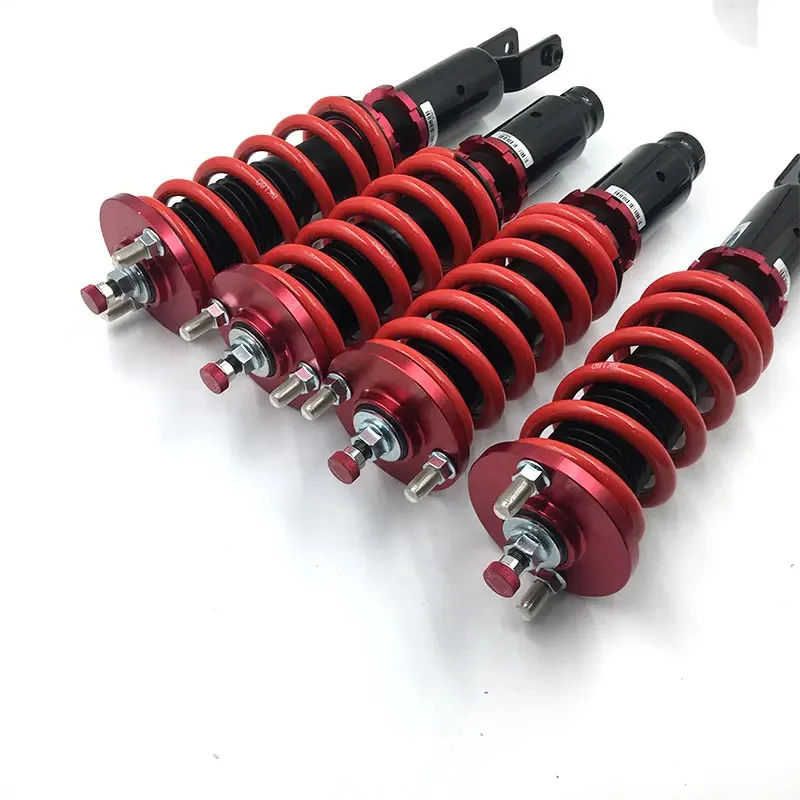
Choosing the right car coil springs requires considering your vehicle’s weight, intended use, and driving habits. Using the right springs helps maintain a smooth ride, improves handling, and ensures the safety of everyone. MAX Auto Parts offers high-quality suspension components, such as coil springs and shock absorbers, reflecting our commitment to quality and ensuring every vehicle receives the support it needs. Coil springs are crucial for safe driving; studies show that a broken coil spring can lead to loss of control and decreased stability.
Anyone looking to choose the right car coil springs should look for robust and reliable components. Choosing the right springs ensures every vehicle remains safe and comfortable.
Key Takeaways
Choose coilover-shocks that match your vehicle’s weight. Heavier vehicles require stronger springs for support.
Consider your driving style. Off-road, towing, and everyday driving require different springs.
Consult your vehicle’s manual to find the appropriate spring size. Ensure the springs are compatible with other parts of your vehicle.
Before purchasing coil springs, carefully measure the dimensions. Use calipers to check the dimensions and ensure they fit properly.
You can consult a professional like MAX Auto Parts for assistance with spring selection and installation. This ensures your car runs safely and reliably.
Coil Springs and Suspension Basics
What Coil Springs Do
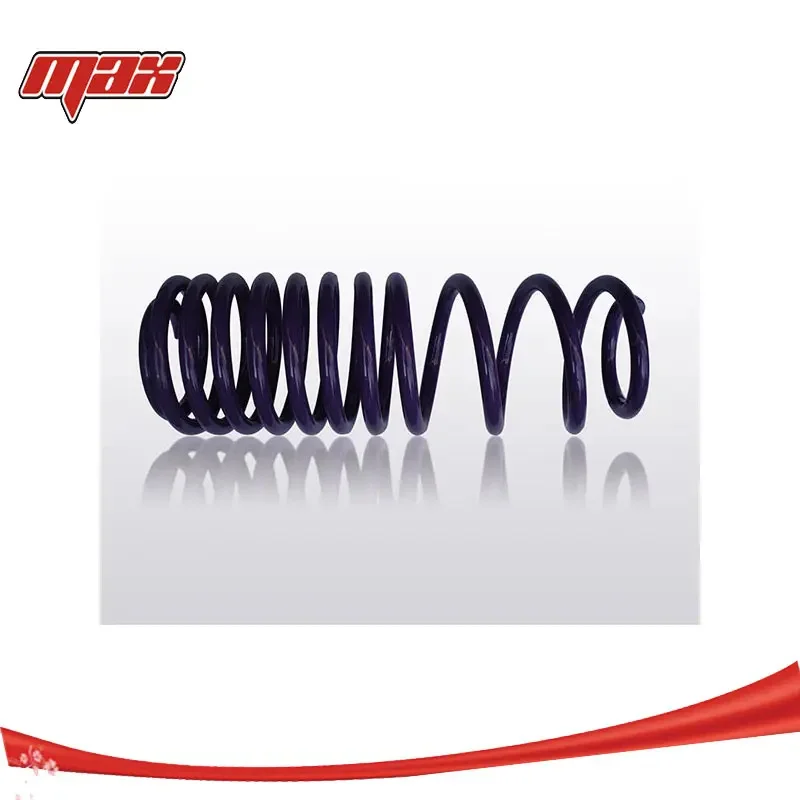
Coil springs play a vital role in a car’s suspension system. They absorb shocks and bumps from the road surface, providing a smoother ride for passengers. When a vehicle travels over bumpy roads, the coil springs compress and stretch to prevent damage to the vehicle body or passengers. Coil springs also help maintain the vehicle’s proper height, ensuring it remains level even with added weight.
Coil springs absorb shocks from rough roads.
They prevent bumps from damaging the vehicle or passengers.
These springs help maintain the vehicle’s proper height.
They help the vehicle maintain balance with added weight.
Coil springs work in conjunction with shock absorbers. Springs support the vehicle body and absorb road bumps. Shock absorbers (such as those sold by MAX Auto Parts) slow the movement of the springs, making the ride smoother and keeping the vehicle stable. Coil springs and shock absorbers must work together to ensure a safe and comfortable ride.
Coil Springs vs. Other Types
Automotive vehicles use different types of suspension springs. The most common are coil springs and leaf springs. Each type of spring has its own advantages.
Load Capacity: Leaf springs are robust and durable, suitable for heavy loads. They are commonly used in trucks and trailers. Coil springs prioritize comfort but are not suitable for heavy loads.
Durability: Leaf springs have a longer lifespan under heavy loads. Coil springs wear out faster under heavy loads.
Ride Comfort: Coil springs offer a smoother ride due to their unique shape. Leaf springs provide better handling under heavy loads.
Applicability: Leaf springs are best suited for towing and heavy-duty work. Coil springs are widely used in passenger cars and light trucks due to their comfort.
Flexibility: Coil springs allow for a wider range of suspension movement and are easy to replace. Leaf springs are relatively stiff.
Structure: Leaf springs are long steel plates mounted on the vehicle frame. Coil springs are helical in shape and located between the axle and the vehicle body.
Many passenger cars and light trucks use coil springs. They support the vehicle body, absorb road bumps, and improve ride comfort. Their unique coil spring structure makes them easy to replace and maintain. Therefore, coil springs are an ideal choice for vehicles where comfort and handling are important.
How to Choose the Right Car Coil Springs
Key Factors for Selection
Choosing the right coil springs for your car requires understanding several key points. Vehicle weight is the most important factor. Heavier cars require stiffer springs to ensure proper suspension operation. Lighter cars can use softer springs without compromising handling and comfort. The intended use of the car is also crucial. Some people drive daily on city streets, while others frequently go off-road or tow trucks. Different driving styles require different springs.
Here are the main factors to consider:
Vehicle Weight: Heavier cars require stiffer springs to ensure proper suspension operation.
Intended Use: Off-roading, towing, or daily commuting all require different types of springs.
Ride Height: The right springs help maintain a suitable ride height for safe driving.
Compatibility: The springs must match the car’s configuration and be compatible with the existing suspension system.
Handling: The right springs improve handling and enhance driving safety.
A good suspension system helps maintain a car’s stability and comfort. It also protects other components from damage. Using the wrong springs can lead to a bumpy ride, decreased handling, and even damage to other parts of the vehicle.
Tip: Before choosing new coil springs, always check your vehicle’s manual or consult a trusted supplier like MAX Auto Parts.
Vehicle Type and Intended Use
Vehicle type and intended use will influence the type of coil spring required. Passenger cars and high-performance street cars typically use coil springs for better handling and comfort. These springs help the vehicle smoothly navigate bumpy roads and maintain a quiet ride. Commercial vehicles, such as trucks, require springs capable of carrying heavy loads. Leaf springs are ideal for these vehicles because they can withstand greater weight.
Passenger Cars: Coil springs provide a smooth ride and better handling.
Commercial Vehicles: Leaf springs can support heavy loads and are ideal for towing.
Off-Road: Heavy-duty coil springs improve load capacity and protect the vehicle on rough terrain.
Daily Commuting: Standard coil springs prioritize comfort and ease of handling.
The right coil spring depends on the vehicle’s configuration and the driver’s needs. Drivers who frequently drive on rough roads or carry heavy loads should choose springs designed for these purposes. Drivers who commute daily can choose springs that prioritize comfort.
Factory Setup and Compatibility
Each vehicle comes equipped with an original equipment manufacturer (OEM) suspension system. This system includes the type and size of the coil springs, and how they are matched with other components. When selecting new springs, it is essential to ensure they match the vehicle’s original design. This ensures vehicle safety and guarantees proper suspension system function.
Please consult your vehicle’s manual for the correct spring size and type.
Ensure the new springs match the shock absorbers and other suspension components.
If you are unsure about compatibility, consult a supplier such as MAX Auto Parts for assistance.
A good match between the coil springs and other suspension components contributes to vehicle handling and safety, while also providing a comfortable ride for all passengers. Drivers should always follow the manufacturer’s recommendations and consult an expert if they have any questions about the vehicle’s suspension settings.
Choose the Right Coil Spring Rate
Spring Rate Basics
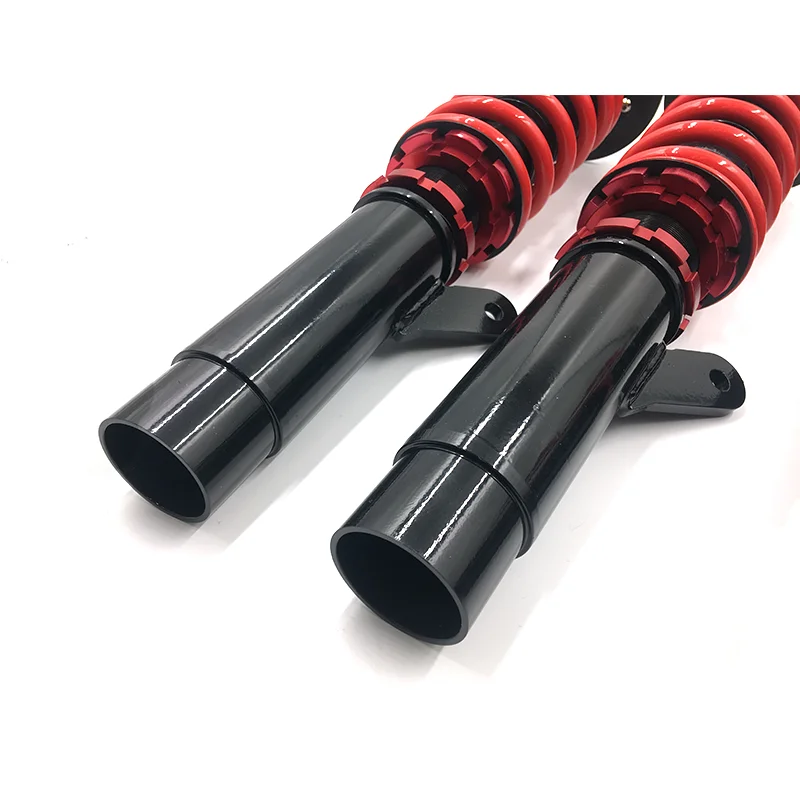
Spring stiffness refers to the force required to compress a spring by one inch. This value is crucial for every vehicle because it affects suspension, ride comfort, and handling. To find the baseline spring stiffness for a specific vehicle, follow these steps:
Determine the weight balance by calculating the angular weight of each wheel.
Calculate the unsprung mass, which includes the weight of components such as tires and brakes.
Subtract the unsprung mass from the angular weight to obtain the sprung mass.
Measure the motion ratio to understand how the wheels move relative to the springs.
Measure the spring angle to understand how forces act on the control arms.
Select the appropriate shock absorber travel and spring length for the suspension.
Use all this data to find the ideal spring stiffness for your vehicle.
Choosing the right spring stiffness helps the suspension and shock absorbers work together for better performance and safety.
How to Choose the Right Spring Rate
The ideal spring stiffness depends on the vehicle’s weight, intended use, and the type of shock absorbers installed. Higher spring stiffness results in a stiffer suspension, which can improve handling but may reduce ride comfort. Lower spring stiffness results in a more comfortable ride but may lead to greater body roll. A baseline spring stiffness should keep the vehicle at the correct ride height and allow the shock absorbers to operate within their effective range.
Compared to the rear suspension, excessively stiff front suspension leads to understeer, while excessively stiff rear suspension leads to oversteer. Manufacturers typically set the rear suspension’s frequency of travel higher than the front suspension to prevent the vehicle from pitching after bumps.
Properly tuning spring stiffness and shock absorbers results in better performance and overall handling.
Common Mistakes
Many people make mistakes when choosing springs. The following table lists common mistakes and their effects:
Mistake Description | Implication |
|---|---|
Misdiagnosing shock issues | 80% of shock problems come from incorrect spring selection. |
Incorrect ride height | Wrong springs can harm shock performance. |
Choosing higher spring rates | Less body roll but a harsher ride. |
If the spring stiffness is too high, the suspension becomes stiff, and the vehicle may lose traction on bumpy roads. If the spring stiffness is too low, the vehicle will experience excessive body roll and feel unstable. Coilover shock absorbers can adjust the base spring stiffness to meet different needs. Good suspension dynamics depend on the correct balance between the shock absorber and the spring.
Coil Springs Practical Tips for Selection
Measuring and Communicating Needs
Properly measuring the coil springs helps ensure a perfect match. Use calipers or a tape measure. Measure the spring’s outer diameter, inner diameter, and wire diameter. This data helps the supplier find springs that match the vehicle. The table below lists two methods for calculating the average diameter of a coil spring:
Method | Formula | Example Calculation |
|---|---|---|
Mean Diameter Calculation | Mean Diameter = Outer Diameter – Wire Diameter | MD = 0.500 – 0.035 = 0.465 |
Mean Diameter Calculation | Mean Diameter = Inner Diameter + Wire Diameter | MD = 0.430 + 0.035 = 0.465 |
It is recommended to record these measurements and provide them to the supplier. Good communication helps suppliers like MAX Auto Parts select the most suitable shock absorbers and springs. Providing the vehicle’s brand, model, and year information helps avoid errors.
Tip: Take photos before removing old springs and shock absorbers. This helps the supplier understand the vehicle’s installation status and provide more professional advice.
Installation and Safety
Installing coil springs and shock absorbers requires extreme care. Springs contain a significant amount of energy, so safety is paramount. To ensure safety, appropriate tools should be used and expert advice should be sought. Here are some safety steps:
Handle springs and shock absorbers carefully to avoid injury.
Use spring compressors and other specialized tools during installation.
Follow expert advice or seek professional assistance.
The average cost of replacing a coil spring (including parts and labor) is $350 to $422. Labor costs are approximately $133 to $168, and parts cost $217 to $254. Some repair shops may charge as much as $700. Many suppliers offer warranties on new springs and shock absorbers. The following table lists common warranty options:
Warranty Type | Duration | Coverage Details |
|---|---|---|
Lifetime Replacement Warranty | Lifetime | Free from defects in material and craftsmanship |
Leaf & Coil Springs Warranty | 5 Years | Atypical sagging, breakage, or failure |
Shocks & Stabilizers Warranty | 3 Years | Leaking, diminished dampening, and breakage |
Bushings, Ball Joints, Etc | 1 Year | Covers all wear and tear items |
Professional installation and regular inspection of springs and shock absorbers ensure proper vehicle operation. Good installation results in a smoother, safer, and more comfortable ride.
Choosing the right automotive coil springs and spring stiffness involves several important steps:
Determine the vehicle’s precise angular weight, including driver and fuel weight.
Calculate the spring stiffness based on the spring’s compression under weight and the vehicle’s suspension design.
Match the spring stiffness to the front wheel stiffness using an expert-provided formula.
Check the front wheel weight to ensure the springs meet the vehicle’s requirements.
A checklist can help drivers confirm the spring size, material, and load capacity before purchasing. This reduces errors and ensures good spring performance.
Check the spring size and material.
Confirm the load-bearing capacity matches the vehicle.
Check compatibility with existing suspension systems.
MAX Auto Parts is known for its robust and reliable coil springs and coilover shock absorbers. Many users report excellent ride quality and durability. For best results, drivers should consult a suspension expert. Experts can advise on spring stiffness and help match the springs to the vehicle’s configuration.
FAQ
What signs indicate that coil springs need replacing?
Drivers may notice the vehicle is unstable, hear unusual noises, or experience decreased vehicle handling. Rust or cracks in the springs also indicate a need for replacement. Technicians recommend checking coil springs during regular maintenance.
Can a driver install coil springs themselves?
Most experts recommend seeking professional help. Coil springs contain significant energy, and improper handling can cause injury. Using safety tools and having relevant experience helps prevent accidents.
How do coil springs affect ride comfort?
Coil springs absorb road bumps and maintain vehicle stability. Softer springs provide a smoother ride, while stiffer springs improve handling but may feel bumpy on rough roads.
Does MAX Auto Parts offer a warranty on coil springs?
Yes, MAX Auto Parts offers a warranty on coil springs. The warranty covers issues related to materials and manufacturing processes. Customers can contact MAX Auto Parts for more warranty details.