
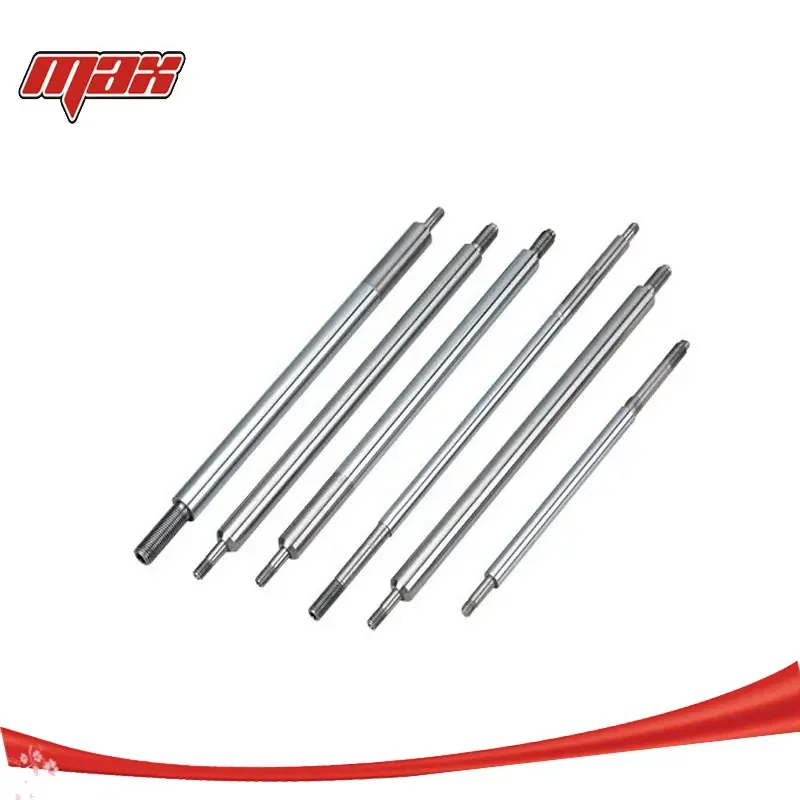
Chrome-plated pistons are less prone to rust. The chrome plating forms a robust protective layer on the piston surface, effectively blocking water, chemicals, and dirt. MAX Auto Parts uses chrome plating on shock absorbers and piston rods to extend their lifespan. Many automotive parts have a longer lifespan after chrome plating, reducing the need for repairs and maintenance.
The chrome plating protects the metal from harsh weather.
A self-healing coating further enhances safety.
Longer part lifespan means fewer replacements and repairs.
Key Takeaways
The chrome plating effectively prevents pistons from rusting, forming a strong barrier against water and chemicals.
Regular inspection and cleaning of chrome-plated pistons prevents damage and extends their lifespan.
A thicker chrome plating provides better protection against wear and rust, maintaining good performance even in harsh environments.
Using high-quality cleaning products and methods maintains the shine of the chrome plating and helps it perform at its best.
Choosing chrome-plated parts can help reduce repair and replacement costs because they are robust, durable, and perform exceptionally well.
Chrome plated pistons and corrosion resistance
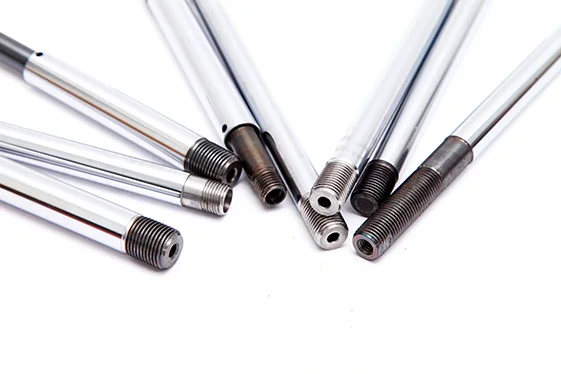
Chrome plating properties
Chrome plating forms a strong coating on the surface of metal parts. This coating helps protect the piston from rust and damage. Chrome plating is done by depositing chromium onto the metal surface through an electroplating process. The coating has a bright, smooth surface and adheres firmly to the metal substrate.
Chrome plating makes metal hard and durable.
To ensure the quality of chrome plating, the process must be strictly followed.
Hard chrome plating prevents metal wear and enhances the metal’s stability.
Chromium forms a strong oxide layer that protects the metal from high temperatures and harsh environments.
The chrome plating process increases its hardness. Pistons can reach a hardness of 1200 HV. This hardness helps extend the piston’s lifespan and prevent rust. The coating also repels water and chemicals, thus preventing corrosion. MAX Auto Parts uses chrome plating on shock absorbers and piston rods. Their products have extremely high wear and corrosion resistance.
How chrome plating prevents rust
Chrome plating acts like a protective shield for pistons. The chromium layer isolates moisture and air, thus preventing rust. Chromium is added to form a protective coating. This method is suitable for metals prone to rust.
The chromium layer effectively blocks harmful substances from the environment.
Microcracks and pores can allow harmful substances to seep in, but a high-quality plating can reduce the occurrence of these problems.
Poor plating quality can lead to pitting and peeling, thus requiring meticulous processing.
MAX Auto Parts uses chrome plating on shock absorbers and piston rods to prevent corrosion. The table below lists the key characteristics:
Feature | Description |
|---|---|
Chrome Plating Thickness | Usually 10 to 30 microns |
Hardness | Between 900 and 1200 HV |
Wear Resistance | Better because of the hard chromium layer |
Corrosion Resistance | Improved by chromium’s special qualities |
Coating Appearance | Shiny and smooth, sticks well to the metal |
Microcracks | Can be 800-2000 per cm, helps stop corrosion |
Tip: Chrome-plated pistons have a longer lifespan if the plating is thick and defect-free. Regular inspection helps prevent rust.
Chrome plating protects the piston in the shock absorber and piston rod. MAX Auto Parts uses a special process to give its products superior rust and wear resistance. Chrome-plated pistons combine hardness, chemical stability, and a smooth surface, making them ideal for automobiles.
Effectiveness and limitations of chrome plated pistons
Plating thickness and quality
The thickness and quality of the hard chrome plating are crucial. A thick plating forms a strong wall, effectively blocking water, salt, and chemicals. Experts say most automotive pistons require a plating thickness of 20 to 40 microns. For some harsh applications, plating thicknesses can reach 100 microns.
A thicker hard chrome plating provides better protection against rust and wear.
A smooth, even plating helps extend piston life.
A high-quality chrome plating means fewer cracks or weak points.
MAX Auto Parts employs a special process to ensure each piston rod and shock absorber is plated with the right amount of hard chrome. This meticulous process helps parts withstand rough roads and harsh weather. The quality of the chrome plating also determines the piston’s lifespan. A high-quality plating protects the metal underneath, making it strong and durable.
Note: Hard chrome plating not only enhances the strength of parts but also creates a smooth surface. This smooth surface reduces friction, thus improving the part’s operating efficiency.
Wear, damage, and corrosion protection
Hard chrome plating effectively prevents rust, but certain types of wear or damage can weaken this protective layer. Over time, tiny cracks called microcracks appear in the plating. These microcracks allow water and chemicals to seep in, leading to rust. Stones or tools can also impact and damage the plating. If the surface is scratched or dented, the protection is weakened, and the metal underneath may begin to rust.
Microcracks in the plating increase the likelihood of rust.
Road debris or impacts from unsuitable tools can damage the chrome plating.
Chemicals such as road salt or drilling fluid can seep into damaged areas, causing rust.
In fact, the superior performance of MAX Auto Parts’ shock absorbers and piston rods is due to their hard chrome plating. These components are exposed to water, road salt, and chemicals daily. The hard chrome plating forms a robust barrier, effectively preventing these harmful substances from contacting the metal. This protection helps prevent component damage and ensures proper vehicle operation.
The table below lists common problems and how hard chrome plating addresses them:
Issue | How Hard Chrome Plating Helps |
|---|---|
Microcracks | Thick, even coating lowers the risk |
Impact from debris | Gives a hard, tough surface |
Exposure to chemicals | Stops water and salt from reaching metal |
Everyday wear | Lowers friction and helps parts last longer |
MAX Auto Parts uses hard chrome plating to extend the lifespan and improve the performance of shock absorbers and piston rods. Their meticulous processes and inspections help prevent problems such as uneven coating or cracking. When installed and used properly, chrome-plated pistons effectively prevent rust, ensuring safe driving.
Electroless nickel plating vs chrome plating pistons
Corrosion resistance comparison
Electroless nickel plating offers excellent rust resistance. This method can cover the entire piston, even small or irregularly shaped ones. The coating is uniform and smooth, resulting in good rust protection. Many experts choose electroless nickel plating for components exposed to strong chemicals or salt water. Therefore, it is widely used in marine and chemical machinery.
Chromium plating also helps prevent piston rust. It forms a hard, shiny coating. However, generally speaking, electroless nickel plating offers better rust resistance. It performs well even in harsh environments. Chromium plating is known for its hardness and wear resistance, but electroless nickel plating has superior rust resistance.
Laboratory tests show that both platings prevent rust. Electroless nickel plating forms a smooth coating with better protection. Chromium plating is very hard and wear-resistant, which also helps prevent rust.
The table below compares two plating methods:
Property | Electroless Nickel Plating | Chrome Plating |
|---|---|---|
Corrosion Resistance | Excellent | Good |
Hardness | Moderate | Superior |
Wear Resistance | Good | Excellent |
Aesthetic Finish | Dull | Brilliant Mirror Finish |
Application in auto parts
Electroless nickel plating is commonly used for engine parts requiring rust and wear resistance. Many companies use it for engine pistons, especially in environments susceptible to chemical or salt corrosion. It can cover every part of the piston, even hard-to-reach areas. Therefore, electroless nickel plating is a good choice for pistons with complex shapes.
Chromium plating is commonly used for shock absorber connecting rods and piston rods. It creates a hard, smooth surface that effectively prevents wear. Many shock absorbers, such as those from MAX Auto Parts, use chrome plating to extend their service life. Chrome plating helps connecting rods maintain good performance over a long period.
Hydraulic cylinders and shock absorbers touch water and chemicals. Electroless nickel plating can keep these parts safe from rust. Chrome plating helps too, but electroless nickel plating may protect better in wet or salty places.
The price is important when picking a plating method. Here is a chart that shows how much different treatments cost:
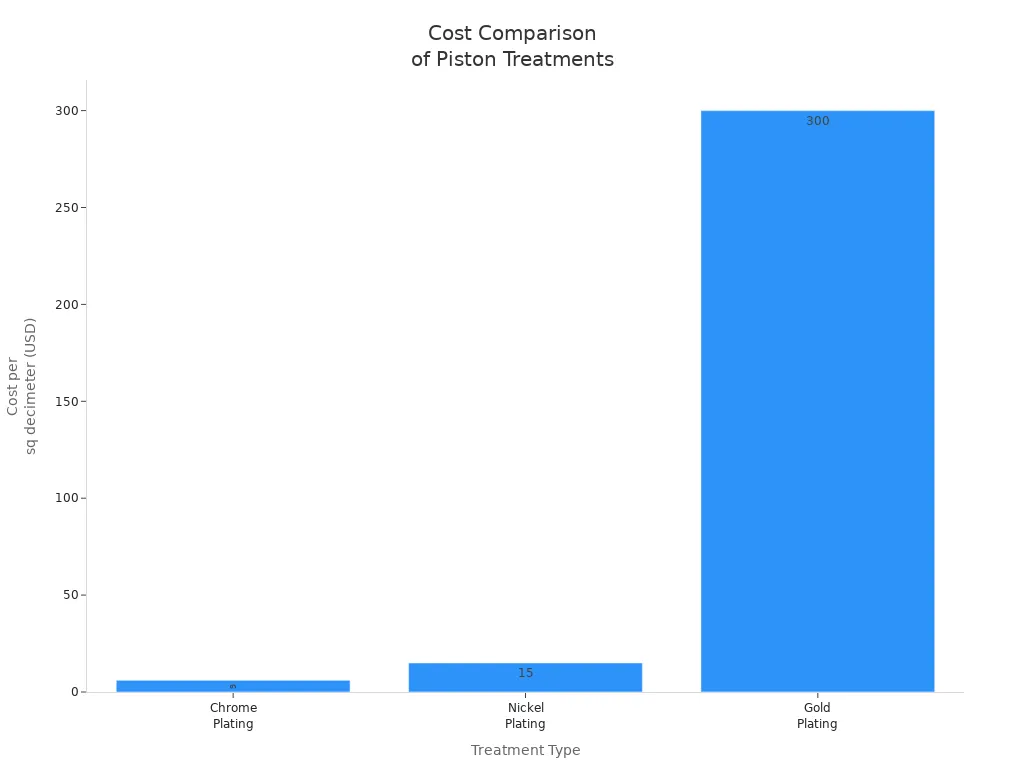
Electroless nickel plating costs more than chrome plating. Many people pick chrome plating because it works well and does not cost too much. Electroless nickel plating is best for parts that need extra help to stop rust.
Tip: For shock absorbers and piston rods, chrome plating gives strong wear resistance and a shiny look. Electroless nickel plating is better for parts that touch strong chemicals or saltwater.
Maintenance for chrome plated pistons
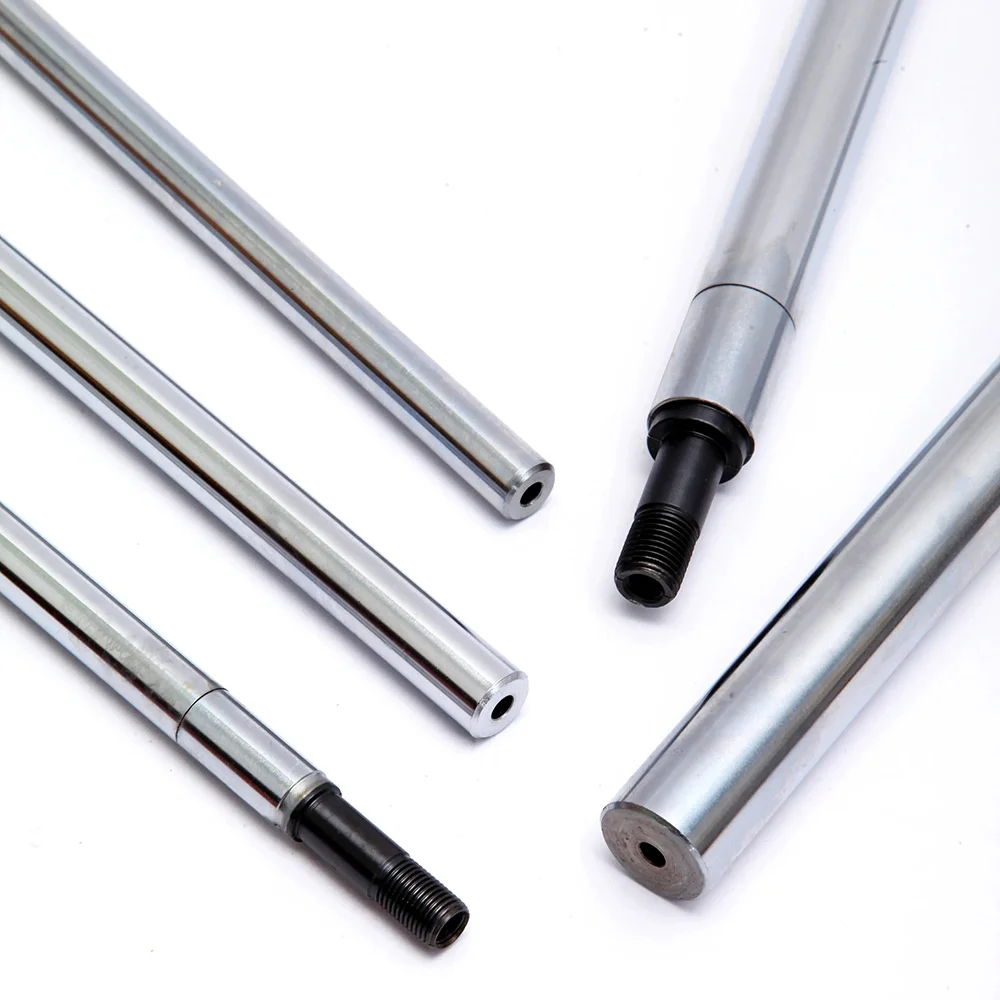
Inspection and care tips
Regularly inspecting chrome-plated pistons helps extend their lifespan. Mechanics and owners should check the pistons for scratches, dents, or rust. Even minor impacts can damage the chrome plating. When handling shock absorbers from MAX Auto Parts, workers should wear soft gloves and avoid dropping or bumping the parts. Keeping the surface clean prevents rust.
The table below lists methods to prevent piston rust:
Maintenance Practice | Description |
|---|---|
Prevent impacts and scratches | Do not let the chrome surface get damaged during moving, installing, or using. |
Keep the surface clean | Clean the piston rod often and remove dirt quickly to stop corrosion. |
Apply anti-rust oil | Put a thin layer of anti-rust oil on piston rods to protect them from rust. |
Tip: Keep shock absorbers in a dry place and cover them to block dust and moisture.
Cleaning for corrosion protection
Proper cleaning of chrome-plated pistons keeps them shiny and strong. Mechanics should use pH-balanced car wash soap and soft car wash gloves. After cleaning, inspect for any rough spots or stubborn dirt. If necessary, use a clay cleaner to remove stubborn dirt. Choose a polishing compound specifically designed for chrome parts to clean stains and oxides.
Here are the simple cleaning steps:
Use a pH-balanced car wash solution and a soft car wash glove to clean the piston rod.
Inspect for any rough spots; if necessary, use a clay cleaner.
Choose a polishing compound specifically designed for chrome parts to remove stains or oxides.
Gently rub the polishing compound in circular motions with a soft polishing pad.
Brush the surface with a clean microfiber towel to bring it to a shine.
Finally, spray or wax to protect the surface.
Do not use household cleaners containing strong chemicals. These cleaners can scratch or dull the chrome. Use a safe cleaner specifically designed for automotive parts. Regular cleaning and maintenance helps maintain the good performance of your MAX Auto Parts shock absorbers and prevents rust.
Chrome-plated pistons have good rust resistance. Using chrome-plated pistons in shock absorbers can extend their lifespan. Regular piston cleaning helps prevent rust. Using the right lubricant also provides protection. Regular inspections can prevent problems before they occur. It’s important to note that the chrome plating process is complex and may not always be suitable for all parts. The table below lists the reasons why many people choose chrome-plated pistons (price and performance):
Benefit/Cost | Chrome-Plated Pistons | Alternative Materials |
|---|---|---|
Durability | High | Moderate to Low |
Maintenance Costs | Low | High |
Performance | Superior | Variable |
Initial Cost | Lower than stainless steel or titanium | Higher than chrome-plated steel |
MAX Auto Parts shock absorbers keep out rust well. They are a good choice for drivers who want their cars to last.
FAQ
Do chrome-plated pistons require special maintenance?
Chrome-plated pistons should be cleaned and inspected regularly. Service personnel must keep their surfaces clean and avoid dust and water stains. Using a soft cloth and mild detergent helps protect the chrome plating.
How long can chrome-plated pistons in shock absorbers last?
Most chrome-plated pistons in shock absorbers can last for several years. MAX Auto Parts manufacture robust and durable parts. Proper maintenance helps extend their lifespan.
Does chrome plating prevent all types of rust?
Chrome plating prevents most types of rust, but deeper scratches or damage can allow water to seep in. Inspecting for damage helps protect the piston.
What should be avoided when cleaning chrome-plated pistons?
Do not use strong chemicals or abrasive cleaning pads. These can scratch the chrome plating or dull its shine. When cleaning, use only detergents and soft cloths specifically designed for chrome plating.