
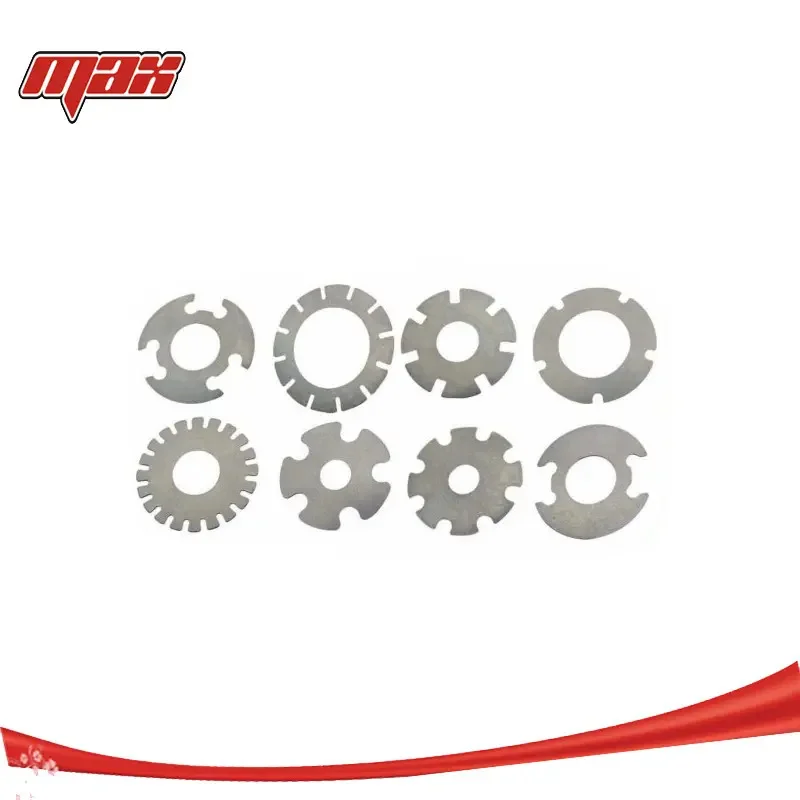
You might be wondering whether your motorcycle requires brake pad shims. These small metal components can enhance your motorcycle’s safety, help the braking system function more effectively, and reduce noise. Similar vibration control principles are also applied in shock absorber systems. Not all brake pads require shims, so please verify your specific motorcycle model first. Motorcycle brake pad shims are distinct from suspension shims—such as MAX Shock Shims—which are designed for use within the suspension system. Understanding this distinction will help you select the appropriate parts for your bike.
Key Takeaways
- Motorcycle brake pad shims are designed to reduce noise, absorb vibration, and improve overall braking comfort.
- They help ensure better contact between brake pads and discs, contributing to more stable braking performance.
- Shims can extend brake component lifespan by minimizing uneven wear and acting as a thermal barrier.
- Not all motorcycles require shims—always follow OEM recommendations or check your owner’s manual.
- If your current brake pads include shims, it is recommended to retain or replace them during pad changes.
- Common signs that shims may be needed include brake squeal, vibration, or inconsistent braking feel.
- Modern brake pads may feature built-in noise reduction, making additional shims unnecessary in some cases.
- Brake pad shims should not be confused with suspension shims (e.g., MAX shock shims), which serve a completely different function in damping systems.
What Are Motorcycle Brake Pads Shims?
Purpose and Function
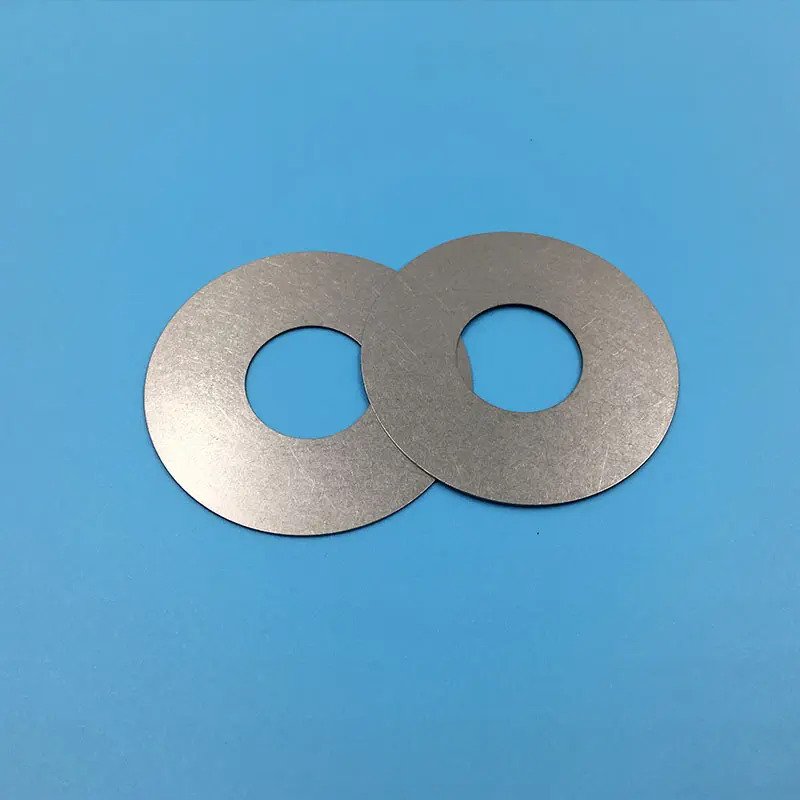
You may be wondering about the function of motorcycle brake pad shims. These thin metal or rubber plates are installed between the brake pads and the calipers. They help enhance braking performance and extend the service life of the braking system. The table below outlines their primary functions:
| Function | Description |
|---|---|
| Noise Reduction | Rubber gaskets reduce noise and vibration, resulting in a more comfortable riding experience. |
| Alignment | Shims help align the brake pads with the brake discs, thereby achieving optimal results. |
| Heat Shielding | They keep brake pistons from getting too hot, which keeps you safer. |
| Improved Braking Performance | Shims help the brake pads make better contact with the brake discs, thereby enhancing braking performance. |
| Reduced Wear and Tear | They prevent uneven wear of brake components, thereby extending their service life. |
How Shims Reduce Noise and Vibration
Occasionally, a piercing squeal can be heard when applying the brakes. This sound typically originates from vibrations occurring between the brake pads and the brake discs. Motorcycle brake pad shims act as a barrier, effectively absorbing these vibrations. Studies have shown that shims help eliminate the oscillations responsible for brake noise. In suspension systems, similar control is achieved through precision shock shims. Installing shims results in a quieter and more comfortable riding experience—reducing annoying brake noise even in slow-moving traffic. If you are looking for a smoother, quieter ride, shims can truly make a significant difference.
When Are Shims Needed?
OEM Recommendations
Before making any adjustments to the braking system, you should always consult your motorcycle’s owner’s manual. Many manufacturers provide explicit instructions regarding the use of shims. Some braking systems are designed to require shims to achieve optimal performance, while others do not require them at all. If your manual recommends the use of shims, you should follow that recommendation. This helps ensure that the braking system operates safely and smoothly.
Tip: If shims are found on the old brake pads, shims should also be used when installing the new brake pads. This ensures that the braking system functions properly, in accordance with the manufacturer’s design.
Common Scenarios for Installing Shims
In certain situations, you may need to install motorcycle brake pad shims. Here are some common reasons:
- You hear squealing or grinding noises when braking.
- You feel vibrations in the handlebars or footpegs while braking.
- The manufacturer recommends the use of shims for your specific model.
- You frequently ride in wet or dusty environments, which causes your brakes to generate noise.
- You desire a smoother and quieter riding experience.
Many riders install shims to reduce brake noise. Studies indicate that anti-noise shims can reduce brake noise by 35% to 55%. Shims also effectively prevent vibrations from transmitting between the brake pads and the calipers, thereby enhancing riding comfort.
Using shims is not strictly necessary to ensure braking safety; the braking system will function properly even without them. Shims primarily serve to improve comfort and reduce noise. If you wish to minimize brake noise and enjoy a smoother braking experience, shims are an excellent choice.
When Shims Are Not Required
Brake Pads Without Shims
Some motorcycle brake pads do not come with shims. Manufacturers sometimes design these pads to be used without them. There are several reasons for this:
- Certain brands omit shims from their brake pads, believing that the pads will function properly even without them.
- The metal backing plates of the brake pads can become extremely hot—much like the brake discs themselves. Frequent or aggressive braking can lead to overheating.
- In the absence of shims, a greater amount of the heat generated by the brake pads is transferred directly to the brake calipers.
If your motorcycle utilizes brake pads designed without shims, please consult your owner’s manual. The manufacturer provides the optimal configuration recommendations for your specific vehicle. You can trust that the design is appropriate for your riding style. While you may be able to achieve safe braking without using shims, you should still remain alert for any signs of overheating or unusual noises.
Modern Brake System Designs
Modern motorcycles are equipped with new braking systems. These systems reduce noise and vibration without the need for shims. These new features help make your riding experience smoother and quieter.
Many brake pads today incorporate noise-reduction technology. This ensures quiet braking while simultaneously delivering powerful stopping force. Moreover, it enhances driving comfort without the need for shims. These features allow you to enjoy a smooth driving experience, even on bumpy roads.
Note: If your motorcycle is equipped with modern brake pads, shims may not be necessary. Built-in technology can effectively reduce noise and dissipate heat. Please be sure to consult your owner’s manual for the manufacturer’s recommendations.
Effects of Using or Skipping Shims
Impact on Performance and Safety
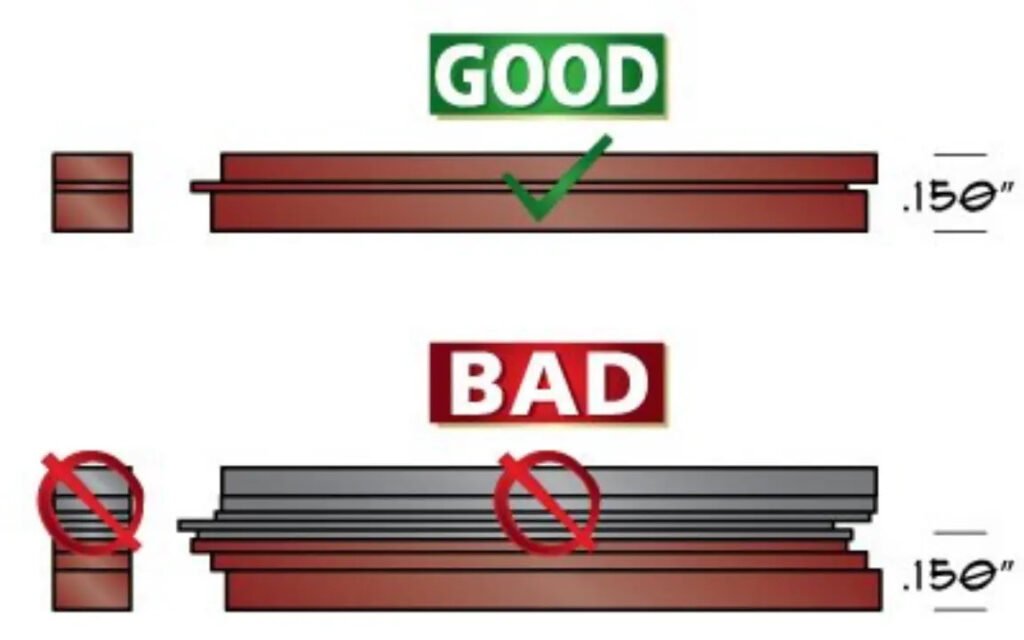
You want your motorcycle to come to a stop quickly and safely. Motorcycle brake pad shims can help you achieve this goal. With shims installed, the contact between the brake pads and the brake discs becomes tighter. This means that when you squeeze the brake lever, the braking response is faster. Shims also protect the brake calipers from the effects of high heat. If you have an aggressive riding style or brake frequently, heat can build up and damage components. Shims act as a thermal barrier, helping to keep the calipers at a lower temperature.
With shims in place, you may find that the braking process feels smoother. The motorcycle feels more stable while in motion, particularly during emergency braking situations. Without shims, you might notice uneven wear on the brake pads. This can cause braking performance to gradually deteriorate over time. You may also experience vibrations in the handlebars. Safety comes first, so be sure to consult your owner’s manual to confirm whether the use of shims is recommended for your specific model.
Tip: If you frequently ride in harsh conditions—such as on wet or dusty roads—shims can be highly effective in extending the lifespan of your braking system.
Influence on Brake Noise
When riding, noise can be a source of irritation. Motorcycle brake pad shims effectively reduce harsh squealing and friction noises. These shims work by absorbing the vibrations that generate noise. Consequently, the squealing sounds you hear when coming to a stop at traffic lights will be significantly reduced, making your riding experience quieter and more comfortable.
Without installing shims, you may encounter loud noises emanating from your brakes. These sounds stem from the friction occurring between metal components. You may also experience vibrations or trembling in your hands and feet. By dampening these vibrations, shims ensure a smoother ride.
Use spacers to enjoy a smooth driving experience. Enhanced braking performance ensures you feel completely at ease on the road.
Should You Install Shims When Replacing Pads?
Practical Advice for Riders
When replacing brake pads, be sure to inspect the shims. Some brake pads come with pre-installed shims, while others require you to add them yourself. Motorcycle repair technicians note that not every motorcycle requires shims or insulating plates. Aftermarket brake pads may not require them either. Always consult your motorcycle’s owner’s manual to obtain the manufacturer’s recommendations.
You can avoid errors by following these steps:
- Remove all components (including the brake caliper housing) to ensure that the pistons move smoothly.
- Reinstall the backing plates or shims. If a shim is omitted, you may hear a clicking sound or encounter braking issues.
- Check whether the old shims are still usable. If they show signs of wear or damage, replace them with new ones.
If the original brake pads came equipped with shims, you may continue to use them. Many riders transfer the original factory shims onto their new brake pads—even when using aftermarket brands such as EBC. This helps ensure quiet and smooth braking operation.
Tip: Do not confuse motorcycle brake shims with suspension shims (such as MAX Shock Shims). Suspension shims are designed for use in the suspension system, not the braking system.
Choosing the Right Shims
Select shims that are compatible with your specific brake pads and driving habits. Before making a purchase, please verify the following points:
- Inspect the packaging to ensure the brake pads are clean and free of damage.
- Observe the color to identify the material composition and heat-resistance properties.
- Check the surface for any cracks or irregularities.
- Verify that the protective coating is intact to prevent rust.
- Ensure the friction material complies with industry standards.
- Familiarize yourself with the manufacturing process of the shims to guarantee quality.
- Check the storage conditions to ensure protection against moisture.
- Verify that the friction material is securely bonded to the backing plate.
- Confirm that the product complies with all safety regulations.
- Ensure that all necessary components for installation are included.
Different shim materials can alter the performance and acoustics of your braking system. Rubber-coated shims (such as the GX5040 and GX6440 models) help dampen vibrations, resulting in quieter braking. Metal shims offer a longer service life. Composite shims help enhance grip and stability.
Selecting the appropriate shims contributes to a smoother driving experience and quieter braking operation. Before installing new brake pads, always follow the provided instructions and verify that the shims are compatible.
Using motorcycle brake pad shims can significantly enhance your riding experience. These shims help eliminate brake noise and vibration, thereby making your motorcycle safer and more comfortable. Maintenance guidelines indicate that shims act as an insulating layer between the brake pads and the calipers, helping to extend the overall lifespan of the braking system. High-quality shims mean you won’t need to replace your brake pads as frequently, which can also save you money in the long run.
- Many riders are unsure exactly where the shims should be installed. It is essential to consult your owner’s manual to confirm the correct installation procedure.
- Newer-generation shims offer superior performance in both noise suppression and the preservation of braking efficiency.
| Region | Main Features | Rules and Laws |
|---|---|---|
| North America | Riders want strong brakes | Very strict safety rules |
| Europe | Uses new technology | Tough safety and green rules |
| Asia-Pacific | Cheaper pads, better performance | New safety rules are starting |
Select the gasket that meets your needs. For best results, be sure to follow your motorcycle’s owner’s manual.
FAQ
Do all motorcycle brake pads need shims?
No, not all brake pads require shims. Some brake pads come with built-in noise-reduction features. Please be sure to consult your motorcycle’s owner’s manual to determine whether the use of shims is recommended.
Can I reuse old shims when changing brake pads?
If the old gasket appears clean and undamaged, it can be reused. However, if you find any rust or cracks, you will need to purchase a new gasket. This ensures that the braking system operates smoothly.
What is the difference between brake pad shims and suspension shims?
Brake pad shims can reduce brake noise and vibration. Suspension shims—such as MAX shock shims—can improve a motorcycle’s suspension system. Please do not confuse the two.
How do I know if my brakes need shims?
Please watch out for the following signs:
- Harsh squealing or grinding noises
- Vibration during braking
- Please refer to the instructions in the user manual.
If you observe any of the above conditions, installing shims can help ensure a smoother driving experience.