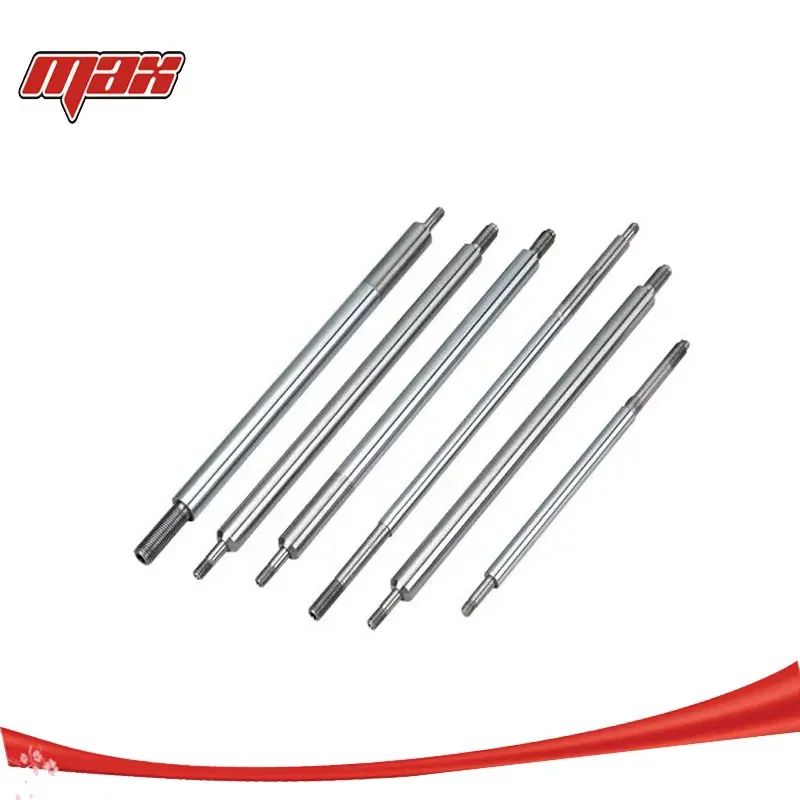
Manufacturers make a piston rod using a careful process. They use new technology and check quality often. MAX Auto Parts is known for making good piston rods for shock absorbers. They pick strong materials and follow rules used around the world. Their certifications include:
- ISO 9001 for making products the same way every time
- ISO 14001 for caring about the environment
- BIS certification for steel used in piston pins
This promise makes sure each piston rod is tough and works well.
Key Takeaways
- MAX Auto Parts ensures high-quality piston rods. They use premium materials and strictly adhere to international standards. The piston rods are made of medium carbon steel, a high-strength steel that is resistant to bending and breakage, making it ideal for shock absorbers. Forging processes make the piston rods stronger, more durable, and longer-lasting. This process reduces the failure rate and helps improve piston rod performance. Special heat treatment processes, such as induction hardening, enhance the piston rod’s toughness, further extending its service life. Furthermore, they conduct rigorous quality inspections, such as ultrasonic testing, to ensure that only high-quality piston rods are delivered to customers.
Piston Rod Materials
MAX Auto Parts picks the best materials for their piston rods. The right material helps shock absorbers work better. Their factories have TS16949 certification. This means they follow strict rules. Every piston rod is strong and dependable.
Note: TS16949 certification helps MAX Auto Parts make piston rods that last longer, work better, and are more reliable.
Hardened steel and cast iron
Many piston rods are made of hardened steel or cast iron. These materials help the piston rod withstand heavy loads and large movements. Steel is widely used because of its high strength. Certain types of steel, such as 45 steel and 27SiMn steel, can withstand different stresses. Stainless steel is also commonly used because it is rust-resistant, lightweight, and strong. Chrome-plated piston rods have a smooth surface that is less prone to wear, thus resulting in a longer service life. Composite materials are used when higher strength or less friction is required.
| Material | Properties |
|---|---|
| Steel | Very strong; types like 45 steel (355 MPa yield strength) and 27SiMn (835 MPa yield strength) work for many loads. |
| Stainless Steel | Strong for its weight; does not rust; special coatings can make it last longer. |
| Chrome-Plated Rods | Do not wear out fast; smooth surface; protects from rust and damage. |
| Composite Materials | Great for strength and less friction; good for heavy jobs. |
Why medium carbon steel is preferred
Medium carbon steel is the optimal choice for piston rods. It contains 0.3% to 0.6% carbon. This carbon content allows the steel to bend without breaking and is easy to form. At the same time, it maintains the steel’s strength and hardness to withstand harsh working environments. These properties make medium carbon steel ideal for piston rods. Piston rods need both strength and flexibility to function effectively in shock absorbers.
MAX Auto Parts uses medium carbon steel, resulting in durable piston rods that maintain excellent performance even under harsh conditions. This careful selection helps drivers enjoy a smoother and safer driving experience every day.
Piston rod manufacturing method
MAX Auto Parts uses special machines and new ways to make hydraulic cylinder piston rods. Their factories have tools that cut metal very accurately. They also use machines that press metal with lots of force. Surface treatment systems help make the rods strong and last longer. These machines help the rods meet tough rules for strength and durability.
Tip: New ways of making piston rods help them work better and last longer in shock absorbers.
Forging process for piston rods
Forging is a process that shapes piston rods by pressing metal at high temperatures. Workers can choose between hot forging or cold forging as needed. Hot forging produces fine shapes while maintaining the metal’s flexibility. Cold forging, on the other hand, increases the metal’s strength and produces a smooth surface. The forging process also aligns the metal’s grains, thus improving its toughness. Furthermore, forging reduces defects and voids, making the piston rod more reliable.
Benefits of forging:
- Grain alignment makes the rod stronger.
- Toughness goes up, so cracks are less likely.
- Fewer defects and holes.
- Better strength compared to weight.
| Manufacturing Method | Advantages | Disadvantages |
|---|---|---|
| Hot Forging | Makes detailed shapes; flexible and good for strong parts | Surface finish is not as smooth; may need more work |
| Cold Forging | Makes metal stronger; smooth surface finish | Works best for simple shapes; not good for complex designs |
MAX Auto Parts uses forging so each piston rod can handle lots of stress and works well.
Powdered steel molding and sintering
Powder metal casting and sintering employ different processes. In powder metal casting, workers press steel powder into a mold and heat it to bond the metal together. This method results in less material waste and high shape accuracy. It is suitable for producing large quantities of bars at once and ensures consistency across batches. Powder metal casting can create complex shapes and contributes to green manufacturing.
MAX Auto Parts uses powder metal casting when it needs to produce bars with complex shapes and high batch consistency.
Small batch production from solid metal
Small batch production starts with solid metal bars or rods. Workers cut and shape these pieces to the right size. This way is good for custom orders and prototypes. It lets them make rods with tight measurements and smooth finishes. Careful machining makes sure the rod fits with other parts. Surface treatments like chrome plating and nitriding help stop wear and rust.
| Step | Description |
|---|---|
| Forging | First, the rod is shaped with high pressure. |
| Precision Machining | Next, workers cut and shape the rod exactly. |
| Surface Treatments | Then, they add coatings to make the rod last longer. |
| Quality Control | Finally, they check and test each rod to make sure it works well. |
MAX Auto Parts uses all these ways to meet different needs. They use forging for strength, powdered steel molding for efficiency, and small batch machining for accuracy. Their new ideas, like 3D printing and smart materials, help make piston rods that work well in any situation.
Heat treatment of piston rod
Annealing and hardening steps
Heat treatment alters the properties of piston rods. Factories use heat treatment to enhance the strength and reliability of metals. Annealing is typically the first step. Workers heat the piston rod to a high temperature and then slowly cool it. This step eliminates internal stresses in the metal and makes the piston rod easier to shape. Annealing also helps prevent subsequent cracking.
After annealing, the next step is quenching. Quenching hardens the outer layer of the piston rod. Induction hardening is a common method. Workers use induction coils to rapidly heat the surface of the piston rod and then quickly cool it. This forms a hardened outer layer while the interior retains strength and flexibility. This allows the piston rod to withstand heavy loads and resist damage.
| Aspect | Description |
|---|---|
| Process | Induction hardening is a heat treatment that hardens the surface of piston rods. |
| Method | The rod is heated with induction coils and then rapidly cooled. |
| Benefits | Enhances durability, wear resistance, and fatigue strength. |
| Application | Ideal for harsh environments like hydraulic cylinders and industrial machinery. |
| Surface Improvement | Creates a hard outer layer while maintaining toughness inside. |
| Resistance to Damage | Minimizes scratches and dents, extending the lifespan of piston rods. |
Tip: Induction hardening helps the piston rod last longer, even in tough conditions.
Improving piston rod strength
Heat treatment does more than make the rod hard. It also makes the piston rod stronger. A strong rod can handle pressure inside a shock absorber. This means the rod will not bend or break easily. MAX Auto Parts uses advanced heat treatment for every rod. Their process gives each rod a hard surface and a tough core. This balance helps the rod work well for a long time. Drivers can trust their shock absorbers to keep working, even after many miles.
Machining and finishing of piston rods
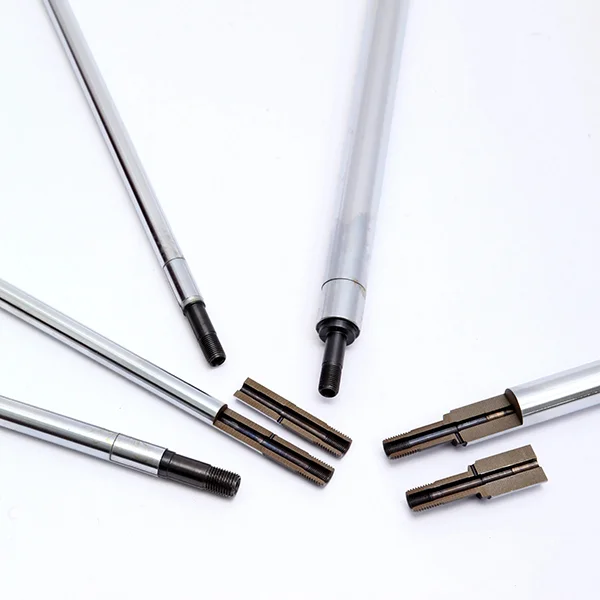
Precision turning and grinding of piston rods
Machining precisely shapes each piston rod. Workers use lathes to turn the piston rods. The lathe rotates the piston rod, and sharp cutting tools remove excess metal. This step makes the piston rod surface smooth and flat. Next comes grinding. Grinding machines use rotating grinding wheels to further polish the piston rod. This step removes small protrusions, bringing the piston rod to the required dimensions.
MAX Auto Parts uses advanced machining equipment for turning and grinding. This equipment helps keep the piston rods straight and smooth. Throughout the process, workers frequently inspect the piston rods. They measure them to ensure they meet stringent standards. If any defects are found, they are repaired immediately.
Tip: Precision turning and grinding help the piston rod fit tightly with other parts. This reduces noise and makes the shock absorber work better.
| Step | Purpose | Result |
|---|---|---|
| Turning | Removes extra metal | Straight, even surface |
| Grinding | Smooths and sizes the rod | Perfect fit and finish |
Piston rod surface polishing and chrome plating
After grinding, workers polish the piston rods using soft grinding wheels and specialized polishing compound. This step gives the piston rods a brand-new shine and an exceptionally smooth surface. A smooth piston rod allows for smooth movement within the piston and also helps engine oil adhere better to the surface, reducing wear.
The next step is chrome plating. Workers immerse the piston rods in a chrome plating bath. When electricity is applied, a thin layer of chrome adheres to the piston rod surface. Chrome plating protects the piston rods from rust and scratches and extends their lifespan.
MAX Auto Parts inspects the piston rods after each process, checking for any marks or rough spots. Only piston rods that pass all tests proceed to the next stage. This meticulous process ensures that each piston rod has a robust and shiny surface.
Note: Chrome plating is important for shock absorbers. It keeps the rod working well, even in rain or mud.
Piston rod quality control
MAX Auto Parts uses strict quality control to make sure every piston rod meets high standards. Their factories follow TS16949 certification. This certification shows that they use a careful process to check each part. Quality control helps drivers stay safe and keeps shock absorbers working well for a long time.
Ultrasonic flaw detection
Workers use ultrasonic flaw detection to find hidden problems inside the metal. They send sound waves through the piston rod. If the waves hit a crack or hole, the machine shows a signal. This test does not damage the rod. It helps workers find tiny flaws that eyes cannot see. Ultrasonic testing makes sure only strong rods move to the next step.
Tip: Ultrasonic flaw detection helps prevent failures in shock absorbers by catching problems early.
Inspection and testing for piston rods
Following ultrasonic testing, the piston rod undergoes several additional tests. Specialized tools are used to measure its dimensions and shape, and the surface is inspected for scratches or stains. Furthermore, the maximum force the piston rod can withstand before bending is tested. Some piston rods also undergo salt spray testing to verify their rust resistance. Each test aims to ensure the piston rod’s durability under real-world driving conditions.
MAX Auto Parts records the results of every test and uses this information to continuously improve its production processes. Their team inspects each piston rod before shipment. This meticulous inspection instills confidence in customers regarding the parts they purchase.
Note: Quality control is important because it keeps shock absorbers safe and reliable on the road.
Piston rod assembly and packaging
Final assembly of piston rods
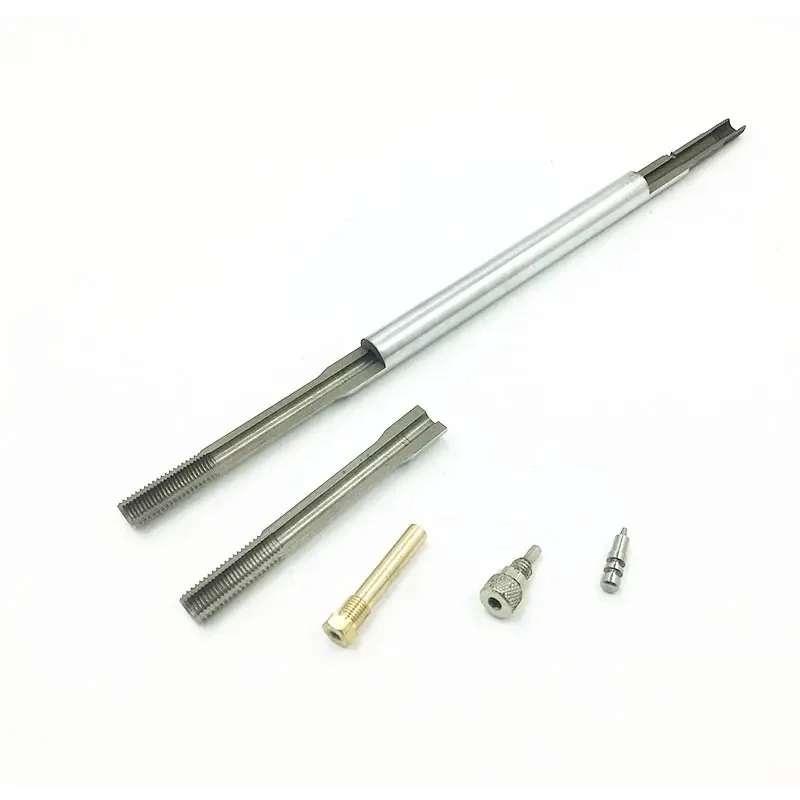
MAX Auto Parts workers follow a rigorous process during the final assembly of the piston rods. They connect each piston rod to the other components of the shock absorber, using specialized tools to ensure a tight fit between each part. Each piston rod must move smoothly within the shock absorber. Workers manually check the fit and movement, and use machines to test the strength of the assembled components. This step helps prevent problems during shock absorber use. MAX Auto Parts offers a one-stop shop, allowing customers to purchase all the parts they need in one place. The company also promises on-time delivery for all orders.
Piston rod transport packaging
After assembly, workers prepare the piston rods for transport. They wrap each piston rod with protective material to prevent scratches and dust contamination. Then, the workers place the piston rods in sturdy cardboard or wooden crates, adding foam or padding to prevent them from shifting during transport. Each carton is labeled with product details and handling instructions. MAX Auto Parts’ packaging effectively protects the piston rods until they reach the customer. Good packaging helps maintain the piston rods in perfect condition.
Connecting rod comparison
Piston rods and connecting rods both play crucial roles in vehicles. Piston rods move up and down within shock absorbers, helping to control ride height and absorb bumps. Connecting rods operate inside the engine, connecting the piston and crankshaft, converting the piston’s vertical movement into the engine’s rotational motion. Both rods must be robust and precise. Connecting rods withstand high pressure and high-speed motion, while piston rods require smooth surfaces and wear resistance. MAX Auto Parts manufactures piston rods for shock absorbers, not connecting rods. Connecting rods and piston rods differ in shape and function. Connecting rods are thicker and shorter, while piston rods are longer and have polished surfaces. Both rods require careful design and high-quality materials. Both connecting rods and piston rods must undergo rigorous testing before use. Connecting rods are key to engine power output, while piston rods are key to ride comfort. Connecting rods and piston rods perfectly illustrate the importance of robust components in vehicles.
Note: The connecting rod and piston rod serve different functions, but both are vital for safe and smooth driving.
Making a piston rod takes many careful steps. Workers pick the right material first. Each step helps make the rod better and stronger. MAX Auto Parts uses strict rules and new machines to make good parts. The table below shows what is important for strong piston rods:
| Factor | Description |
|---|---|
| Material Selection | Strong materials help stop bending when under pressure. |
| Design Features | Special coatings help lower friction and keep heat from escaping. |
| Precision Engineering | Makes sure the rod fits the engine for best performance. |
MAX Auto Parts checks every part before it leaves the factory. They keep clear records and help customers quickly. Their skill helps drivers trust their shock absorbers every day.
FAQ
What is the main job of a piston rod in a shock absorber?
A piston rod moves up and down inside the shock absorber. It helps control the ride by absorbing bumps. The rod works with oil and other parts to keep the vehicle stable. It does not work inside the engine.
How does the piston rod differ from parts used in the engine?
A piston rod works in the shock absorber, not in the engine. The engine uses connecting rods to change motion. The piston rod helps with comfort, while the engine’s rods help make power. Both need strong materials and careful design.
Why do manufacturers not use casting for piston rods?
Manufacturers do not use casting for piston rods because casting can create weak spots. The engine needs strong parts. Forging or machining makes the rod stronger and more reliable. Casting works better for other engine parts that do not move as much.
How does the piston rod affect engine performance?
The piston rod does not touch the engine directly. It helps the shock absorber work well. Good shock absorbers keep the vehicle steady. This helps the engine run smoothly by reducing vibrations and stress on engine mounts.
Can a piston rod be used in the engine?
A piston rod cannot be used in the engine. The engine needs connecting rods for its moving parts. The piston rod is longer and smoother. It fits the shock absorber, not the engine. Each rod has a special job in the vehicle.
Tip: Always use the right rod for the right job. The engine and shock absorber need different parts for best performance.