
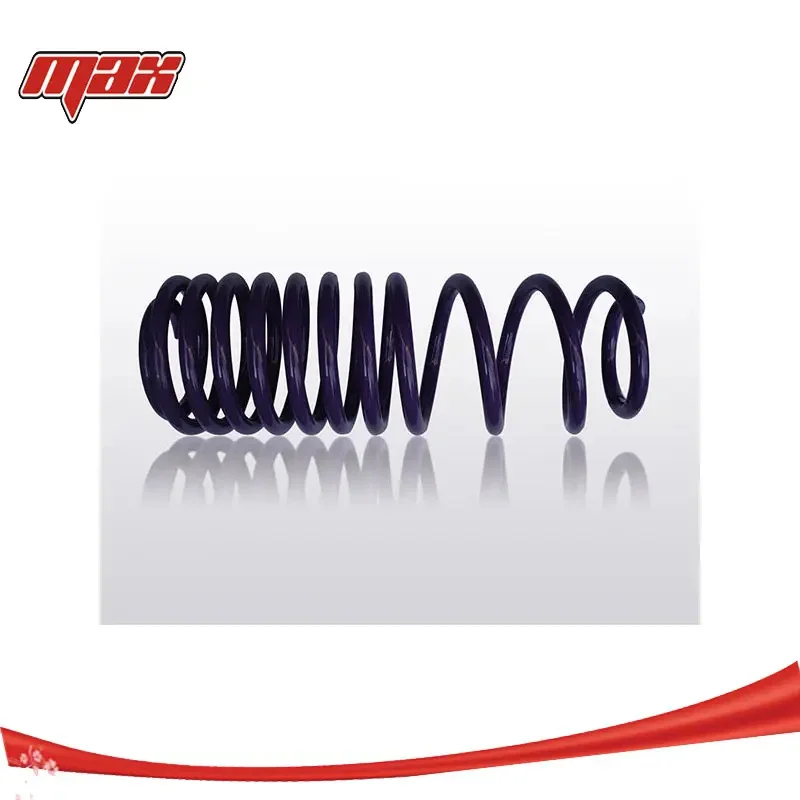
Most coil springs will settle after 200 to 500 miles (about 320 to 800 kilometers) or about two weeks, typically settling by about a quarter inch (about 6 millimeters). Settling after installing new coil springs refers to the spring adjusting to the vehicle’s weight and movement. You need to know how long it takes for the spring to settle, as it affects the vehicle’s ride height and handling. Monitoring this process helps keep the suspension system in optimal condition.
Key Takeaways
- Coil springs typically stabilize gradually after 200 to 500 miles (approximately 320 to 800 kilometers), taking about two weeks. They adjust based on vehicle weight and driving conditions.
- After replacing coil springs, always check the vehicle’s ride height. This helps you detect spring stability early and ensures driving safety.
- High-quality coil springs, such as those from Max Auto, stabilize smoothly and have a longer lifespan.
- The stabilization speed of coil springs depends on driving habits and vehicle weight. A smooth road surface helps them stabilize more quickly.
- ‘Regularly inspect and maintain your coil springs. This helps prevent problems and extends their lifespan.
Coil Springs Settling
What Is Settling?
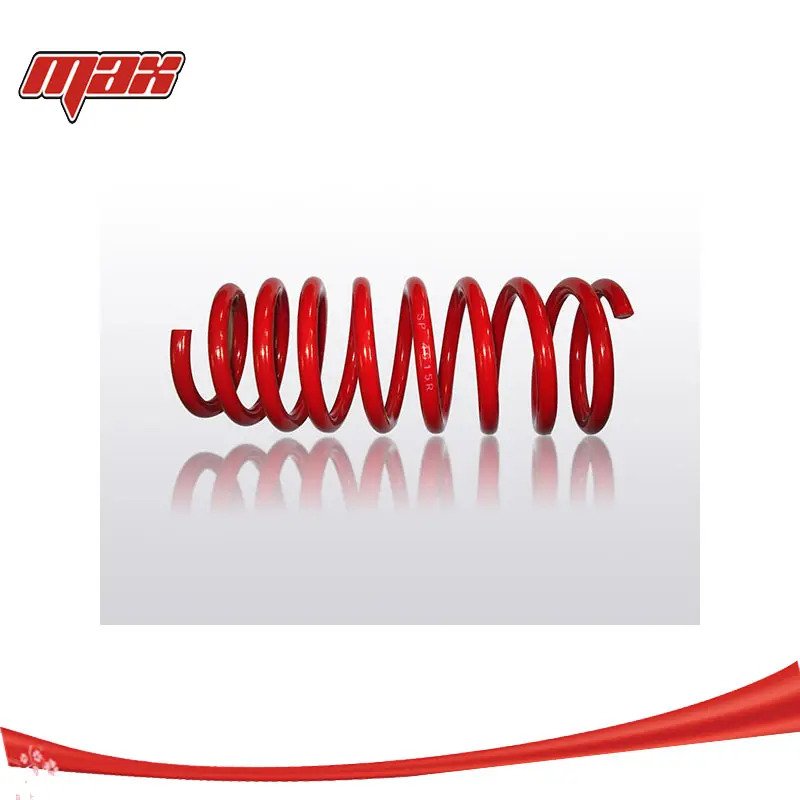
After installation in a vehicle, the coil spring undergoes adjustment, a process called “sag.” You’ll notice a slight change in the spring’s height and shape. During driving, the spring bears the vehicle’s weight and reacts to bumps and cornering. This causes the spring to compress and extend, reaching its final position. Typically, you’ll see the ride height drop slightly, about a quarter inch (approximately 6 mm).
The sagging process involves several important steps:
- Stress Relief: The manufacturer heats the spring wire to relieve internal stress. This strengthens the spring and extends its lifespan.
- Shaping: The spring is compressed to its fixed height. This step ensures the spring maintains its shape and performance during use.
- Heat Treatment: Heat treatment alters the spring’s mechanical properties, improving strength, flexibility, and abrasion resistance.
Max Auto uses premium steels such as 60Si2Mn, 60Si2MnA, 55CrSiA, and SAE9254. These materials help the coil springs sagging in a predictable manner. Max Auto adheres to stringent quality standards, so you get reliable performance and durability.
Why Coil Springs Settle
Coil spring sagging is typically caused by several common reasons. You might notice sagging if the springs are too light for your vehicle. They start high and then gradually sag while driving. Overstretching the springs can also cause sagging. Improperly cutting the springs, such as with a welding torch, can exacerbate sagging.
What you need are coil springs with controllable sagging. Max Auto designs coil springs that can withstand pressure and weight without unexpected changes. The company uses advanced manufacturing processes to reduce sagging and maintain suspension stability.
Tip: After installing new coil springs, always check the vehicle height. This helps you detect sagging early and ensures driving safety.
How Long Coil Springs Take to Settle
Typical Timeframe
You might be wondering how long it takes for coil springs to fully stabilize after installation. Most coil springs stabilize after 200 to 500 miles. This means the springs will reach their final position in about one to two weeks. During this time, the ride height will typically drop by about a quarter inch. Recent automotive research suggests that the stabilization process depends on your driving habits and road conditions. If you’re driving on a smooth highway, the springs may stabilize faster. If you’re driving on bumpy city streets, it may take longer.
Some experts say that high-quality coil springs won’t cause significant changes after installation. You might notice a slight change in ride height immediately after installation. This is because the suspension needs to adjust, and the components need to work together. After driving a short distance, the springs will find their optimal position, and the ride height will stabilize.
Note: After driving with new coil springs for the first time, be sure to check your vehicle’s ride height and wheel nuts. This will help you spot any changes early.
What Affects Settling Speed
The rebound speed of a coil spring is affected by a variety of factors, among which the quality of the spring is crucial. High-quality coil springs from companies like Max Auto offer a more predictable rebound process. Max Auto employs precision winding, heat treatment, and stress relief processes in its production, which help the spring maintain its shape and strength.
You can see the differences between high-quality springs and ordinary springs in the table below:
| Feature | High-Quality Springs (Max Auto) | Standard Springs |
|---|---|---|
| Manufacturing Process | Precision winding, heat treatment, stress-relieving | Standard processes |
| Pre-set (Scragged) Design | Yes | No |
| Longevity | Enhanced due to manufacturing | Limited |
Other factors affecting spring drop speed include vehicle weight, load, and driving style. Heavy loads or rough roads will accelerate spring drop. If you drive normally in your daily life, the drop will be smooth and gradual.
You should always choose coil springs that match your vehicle’s needs. Max Auto’s springs are reliable and help maintain the long-term stability of the suspension system.
Factors Influencing Coil Spring Settling
Vehicle Weight and Load
When considering how coil springs depress, it’s crucial to take the vehicle’s weight into account. The vehicle’s weight compresses the spring, causing it to drop. For example, if your truck has a corner weight of 1200 pounds, a 600-pound spring will compress by 2 inches. Each additional inch of compression requires an additional 600 pounds of spring force. This underscores the importance of choosing the right spring stiffness for your vehicle. If you frequently carry heavy loads or passengers, the springs will compress even more. Progressive, heavy-duty, or adjustable springs can help you handle different loads. Frequently carrying heavy loads accelerates spring depressurization, so you should regularly check your springs for signs of wear.
Spring Material and Quality
The material and quality of a coil spring play a crucial role in its final deformation. High-quality materials, such as chromium-silicon-vanadium alloys, require special processes such as heat treatment and shot peening. These steps enhance the spring’s strength and help it maintain its shape. Heat treatment alters the structure of the steel wire, thus extending the spring’s lifespan. When the manufacturer loads the spring at high temperatures, it gradually deforms to the appropriate length. Choosing a spring made from high-quality materials means you get better performance and less deformation.
Driving Conditions
Driving conditions affect the wear rate of coil springs. If you primarily drive on highways, the springs will last longer. Rough roads, such as rural or off-road sections, will accelerate spring wear. Studies show that rural roads can shorten the lifespan of coil springs by more than 80%. City roads also cause wear, but not as severely as rural roads. If you frequently drive in harsh road conditions, you should pay attention to your driving environment and have your suspension system inspected.
Spring Strength and Fit
The strength and fit of the springs also affect the suspension’s descent. You need to select springs of appropriate strength based on the vehicle’s weight and intended use. If the springs are too soft, the compression will be excessive, resulting in too rapid a descent; if the springs are too stiff, the ride will be bumpy. Proper fit ensures the springs work perfectly with the suspension system. For optimal results, always ensure the spring strength and size are matched to your vehicle.
Signs Coil Springs Have Settled
Ride Height Changes
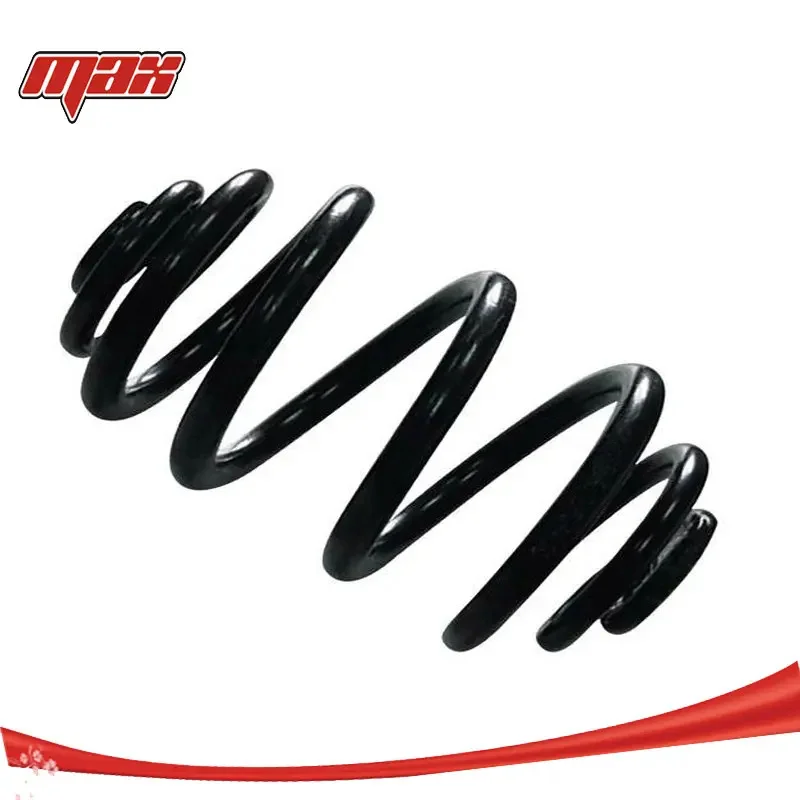
You can determine if the suspension has sagged by checking the vehicle’s ride height. When the springs sag, the vehicle’s ride height will be lower than before. You can measure the ride height by observing the distance between the spring seat and the ground. To confirm if the suspension has sagged, follow these steps:
- Remove the spring and bump stop from one wheel.
- Loosen the lower spring seat and reinstall the shock absorber.
- After removing the wheel, jack up the wheel carrier and measure the exposed length of the shock absorber axle.
- Reinstall the wheel and lower the vehicle to the desired height.
- Adjust the shock absorber body so that its travel is approximately one-third (sag) and two-thirds (compression).
- Jack up the lower control arm to fully compress the shock absorber and check the wheel clearance.
- Reinstall the spring and bump stop.
- Copy the shock absorber setting to the other side.
- Adjust the lower spring seat to achieve the final ride height.
Compare the ride height and shock absorber travel before and after driving. This helps you determine if the springs have dropped and if the suspension has been properly adjusted.
Handling and Comfort
The stability of the springs will change the driving feel of the vehicle. You may notice smoother handling and improved comfort. The vehicle’s response to cornering and bumps will be more predictable. If the ride feels stiff or bumpy, the springs may not be fully stable yet. After installing new springs, you should closely monitor the vehicle’s performance. A stable suspension system provides a stable and comfortable driving experience.
Tip: If you notice sudden changes in steering or feel extra vibrations, check if the suspension system is stable.
Visual Checks
You can detect spring sagging through a simple visual inspection. Observe the change in clearance between the tire and the wheel arch. If the clearance has decreased, the spring may have saggled. Apply grease between the bump stop and a few coils of the spring. After driving, check if the grease has transferred. If you see grease marks, it means the spring coils or bump stop have come into contact. This means the spring has saggled or is fully compressed. If spring sticking occurs, you may need to replace it with a longer spring.
To ensure your suspension system is safe and comfortable, you should check these signs regularly.
After Coil Springs Settle
Alignment Check
After the coil springs have stabilized, you should always check your vehicle’s four-wheel alignment. New spring adjustments will change the vehicle’s ride height, affecting wheel contact with the road. Ignoring this step can lead to the following problems:
- Uneven tire wear
- Unstable handling and braking
- Safety hazards
A proper four-wheel alignment helps extend tire life and ensures driving safety. You can have this service done at a reputable repair shop or four-wheel alignment center. If you feel the steering wheel pull to one side or notice excessive tire wear, schedule a four-wheel alignment check immediately.
Tip: Checking your four-wheel alignment after the springs have stabilized is a wise move to protect your investment and enjoy a smooth driving experience.
Suspension Adjustments
After the springs have sunk and the four-wheel alignment is complete, you may need to adjust other suspension components. You should inspect the shock absorbers, struts, and bushings for signs of wear or damage. If you hear new unusual noises or feel extra vibrations, check the suspension system again. Sometimes, you’ll need to adjust the ride height or replace worn parts to ensure vehicle comfort and safety.
You can also check the torque of all suspension bolts. Sunk springs can cause bolts to loosen. Tighten the bolts to the manufacturer’s specifications. This step helps prevent potential future problems.
Maintenance Tips
Regular maintenance ensures your suspension system stays in good working order. You should:
- Inspect your coil springs and suspension system every few months.
- Check for rust, cracks, or sagging.
- Remove dust and debris from the springs.
- Lubricate moving parts if necessary.
If you find any problems, contact a professional for assistance. Max Auto offers customer support and expert advice. You can contact their team for questions about coil springs or your suspension system. Their commitment to quality and service gives you peace of mind while driving.
Note: Regular inspections and timely handling ensure your vehicle’s safety and extend the life of your coil springs.
Coil springs typically stabilize gradually after 200 to 500 miles of driving. The rate of stabilization depends on the vehicle’s weight, the spring’s mass, and driving style. Once the springs have fully stabilized, check the vehicle’s four-wheel alignment and suspension system. Regularly checking these items helps ensure the vehicle’s safety and good ride performance.
- The suspension system helps a car steer, brake, and maintain safety.
- Automotive experts recommend that you have your vehicle inspected regularly and consult a professional if necessary.
If you are unsure about anything, consult a car manufacturer or mechanic you trust.
FAQ
How do you know when coil springs have finished settling?
You can measure the vehicle’s height after driving it for a few weeks. If the height remains constant for several days, the coil springs are set.
Can you speed up the coil spring settling process?
You can help the springs set by driving on different road surfaces and carrying normal loads. Avoid bumpy rides or overloading. Normal use yields the best results.
Do you need an alignment after coil springs settle?
Yes. You should schedule a four-wheel alignment after the springs have set. This helps maintain even tire wear and ensures safe vehicle handling.
How often should you check your coil springs?
You should inspect the coil springs every few months. Check for sagging, rust, or damage. Regular inspections help you detect problems early.