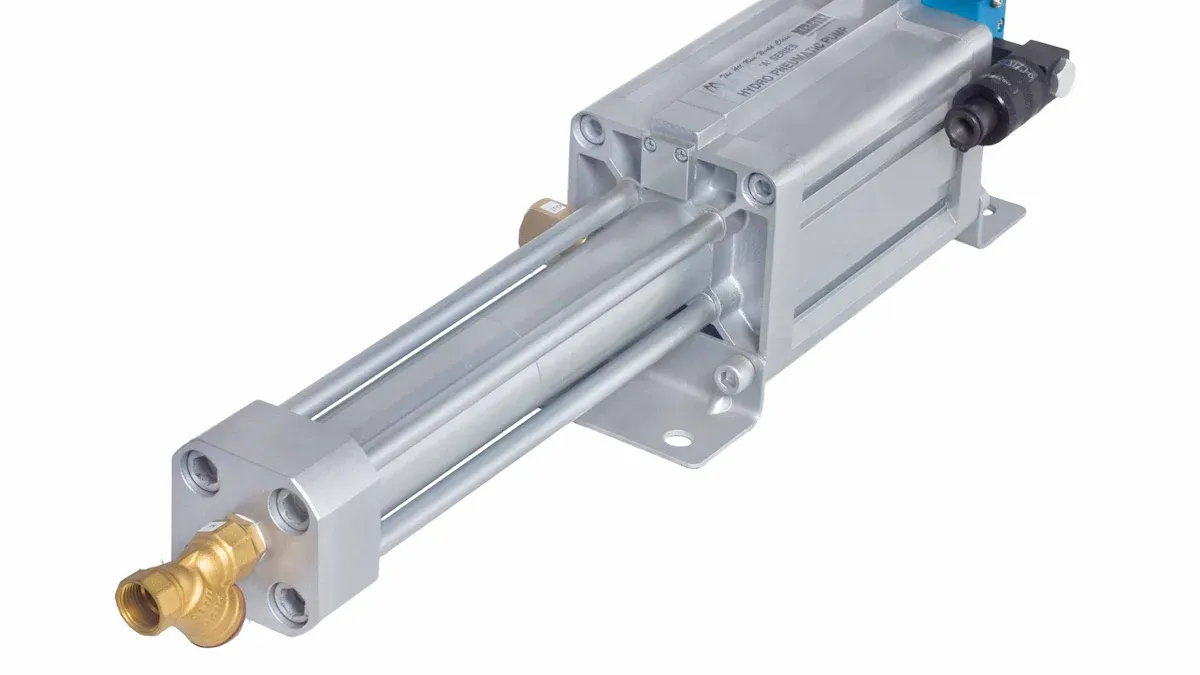
A piston rod cylinder uses a hydraulic cylinder piston to make things move and send force in many machines. This cylinder helps machines and cars work well. The piston rod slides inside the cylinder. It pushes or pulls heavy things with a lot of power. Max Shock Absorber Piston Rods show how this part works in real cars. Learning about hydraulic cylinder piston rod material specificati helps drivers and workers keep cars safe and working right.
Key Takeaways
A piston rod cylinder uses fluid or air pressure to move heavy things. This makes it very important in machines and cars. – Picking the best materials for piston rods, like stainless steel or chrome-plated ones, makes them last longer and work better. – Taking care of piston rods often, like looking for leaks and damage, helps them last longer and keeps them safe to use. – Knowing when piston rods are worn out, like seeing leaks or rough movement, helps you change them on time and stops more problems. – Max Shock Absorber Piston Rods help cars handle better and stay safe by soaking up bumps and keeping tires on the road.
Piston Rod Cylinder Basics
What is a piston rod cylinder?
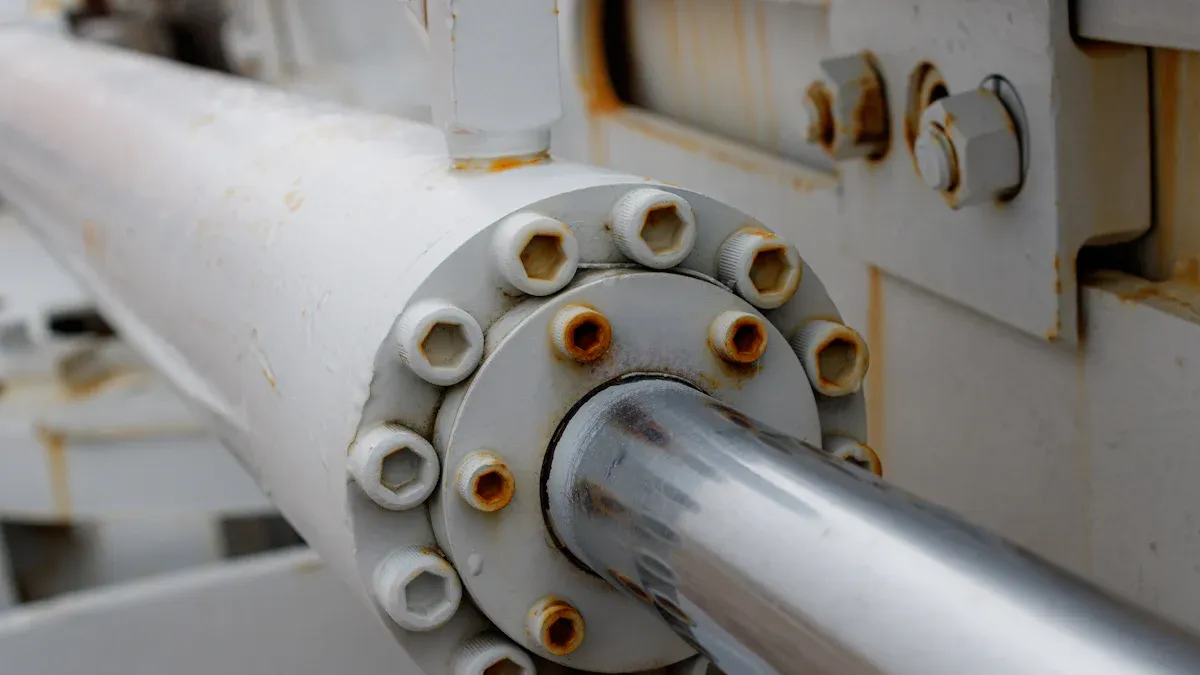
A piston rod cylinder uses fluid or air pressure to make things move. It has different parts that work together. These parts help move heavy things or control machines. The piston rod links the moving part inside to the outside machine. It helps send force and motion. Many machines use this cylinder. Cars and construction equipment use it too.
The table below lists the main parts and what they do:
Component | Function |
|---|---|
Piston rod | Connects the hydraulic actuator to the machine part, transmitting force. |
Seals | Stop fluid from leaking and protect inside parts. |
Rod End | Joins the piston rod to the machine, letting it move and send force. |
Seal Gland | Stops oil leaks and makes it easy to change seals. |
Cylinder Head | Holds seals and guides the piston rod for good sealing and alignment. |
Cylinder Cap | Works with the head to keep pressure and let fluid move in or out. |
Other Parts | Help the main parts work better and improve performance. |
Max Shock Absorber Piston Rods are a real example. These rods help cars handle bumps and keep rides smooth.
How does it work?
The piston rod cylinder uses pressure to move the piston inside. When fluid or air goes in, it pushes the piston. The piston rod moves in or out, depending on the force. This movement can lift, push, or pull things.
The cylinder’s design affects how well it works. The piston rod size is important for lifting heavy things. If the rod is too small, it might bend or break. The cylinder must match the piston rod to keep things steady. Longer strokes need bigger cylinders to avoid problems.
Most cylinders work at pressures from 0.1 to 1.0 MPa. Many machines use 0.4 to 0.7 MPa. Air cylinders often use 60 to 100 psi. Some jobs need more pressure, over 150 psi.
Here are some important points about design and use:
The cylinder must hold the load and move at the right speed.
Fast speeds can lower pressure, so more force is needed.
The piston rod should be strong and have a good surface, like chrome plating, to stop wear and rust.
Applications in vehicles and machinery
Piston rod cylinders are used in many industries. They help machines move, lift, and control heavy parts. Here are some common uses:
Construction: Machines like forklifts, excavators, and bulldozers use cylinders to lift and move things.
Waste Management: Compactors and other machines use cylinders to handle waste.
Agriculture: Farm machines use cylinders for lifting and moving jobs.
Mining: Machines use cylinders for digging and moving materials.
Infrastructure Repairs: Road and bridge repair machines use cylinders for lifting and moving.
In cars, the hydraulic cylinder piston and rod help control the suspension. Max Shock Absorber Piston Rods show how these parts work in cars. They help absorb bumps from the road, keep tires on the ground, and make driving safer and smoother.
Tip: Picking the right cylinder and piston rod makes things safer and work better. Always check the size, material, and pressure rating before using.
Hydraulic Cylinder Piston and Rod
Structure and materials
A hydraulic cylinder piston and rod need strong materials. These materials help them handle heavy loads and move many times. Makers often pick 45# steel because it is strong and easy to shape. This steel is good for chrome plating. Chrome plating makes the surface hard and smooth. Some rods use 40Cr steel for extra strength. This helps with tough jobs. Stainless steel is used where rust is a problem. It lasts long and does not rust easily.
Other materials are C35 steel, spheroidal cast iron, and special stainless steels like 17-4PH, AISI 304, and AISI 410. Each material has its own good points. Spheroidal cast iron is lighter and easy to shape because of graphite. Stainless steels are best for hard places. They do not rust or wear out fast.
Note: The material you choose changes how long the rod lasts and how well it works in different places.
Force transmission and movement
The piston rod links the moving piston inside to the outside machine. When fluid goes into the cylinder, it pushes the piston. The piston rod moves in or out of the barrel. This movement sends force to lift, push, or pull heavy things.
The piston rod’s shape helps it stay strong and not bend. Good design uses the right materials, shape, and strong rod ends. Weak spots can show up at the rod end or where it meets the cylinder cap. If the change between parts is sharp or the wall is thin, stress can build up and cause cracks. A strong rod must stay straight, especially in long cylinders with small diameters. If the rod is weak, it can bend or break under pressure.
The table below shows how materials help with force:
Material | Strength | Corrosion Resistance | Best Use Case |
|---|---|---|---|
45# Steel | High | Moderate | General heavy-duty cylinders |
40Cr Steel | Very High | Moderate | High-load, high-speed jobs |
Stainless Steel | High | High | Corrosive or wet environments |
Durability and performance
Durability is very important for a hydraulic cylinder rod. Chrome plating and nitriding make the rod’s surface better. Chrome plating gives a hard, smooth surface that stops wear and rust. Nitriding adds nitrogen to make the surface even harder and tougher. Both ways help the rod last longer and keep seals working well.
A good hydraulic cylinder piston rod can work for millions of cycles. Some rods with chrome can last up to 10 million cycles with clean oil and good care. Most rods last between 3 and 10 million cycles. Checking for dirty oil helps the cylinder last longer.
Tip: Check the rod often and pick the right material and surface treatment. This stops early damage and keeps machines working well.
The cylinder’s shape also matters for how it works. Good design stops weak spots and stress points. This helps the rod handle heavy loads without bending or cracking. A well-made rod keeps machines safe and moving right.
Common Issues and Maintenance
Problems with hydraulic cylinder rods
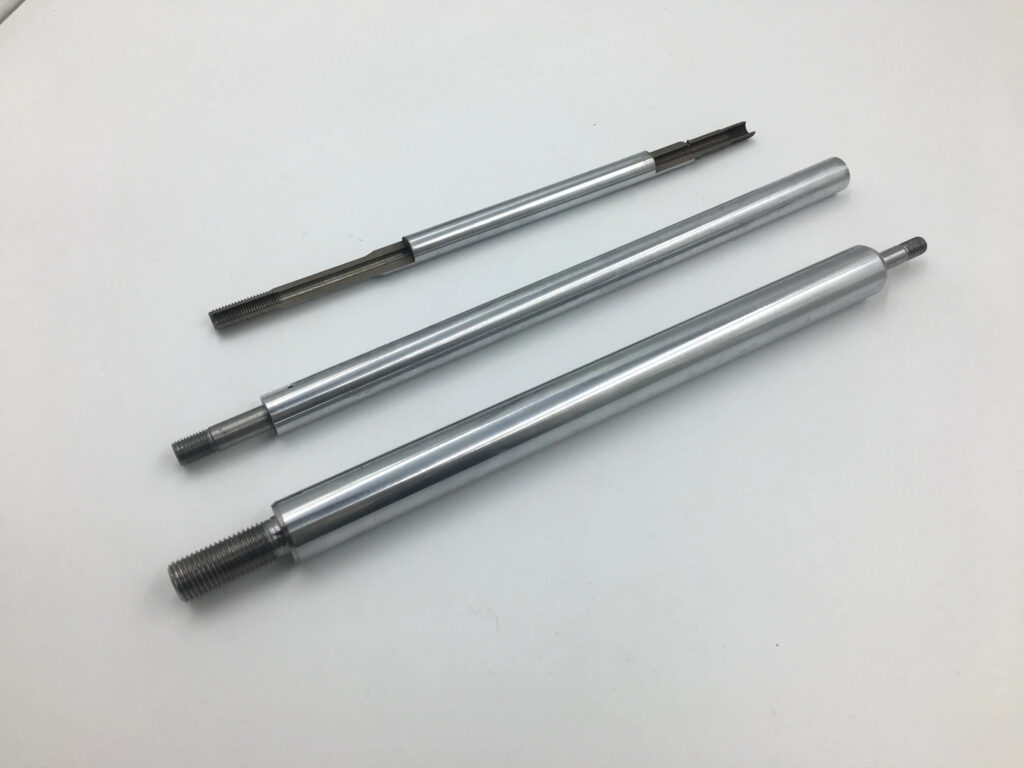
Hydraulic cylinder rods can have many problems in machines and cars. These problems can make the cylinder work badly or be unsafe. Sometimes, the rod thread breaks because the wrong thread is used or it was made poorly. Scratches on the rod can hurt the seals. This can make fluid leak out slowly. If the rod does not have chrome, it can rust and get weaker. Hits or bumps can dent the rod. This can change how the cylinder works.
Rod thread breakage
Scratches causing seal damage
Corrosion of rod threads
Mechanical damage from impacts
Causes of failures
Hydraulic cylinder rods can fail if they are not cared for well. Dirt and carbon can build up inside the cylinder. This can stop the machine from working right. Many problems happen when workers do not know how to fix piston rods. If cleaning and checking are skipped, carbon can form. This can hurt the piston and other parts. These problems can make repairs take longer and cost more money.
Carbon buildup on internal surfaces
Poor maintenance practices
Incorrect refurbishment methods
Maintenance tips
Taking care of the hydraulic cylinder rod helps it last longer. Mechanics should look at rod seals and change them if they are worn. Checking pivot pins for wear helps keep movement smooth. Oiling moving parts stops friction and wear. Looking for leaks, scratches, and alignment problems helps find issues early. Using the right hydraulic fluid and watching pressure keeps the cylinder safe. Doing regular checks and fixing problems quickly stops big breakdowns and keeps machines working well.
Tip: Max Shock Absorber Piston Rods follow strict rules like TS16949 and ISO certifications. These rules make sure the rods work well and are easy to change. Picking certified rods means less fixing and better safety.
ISO Standard | Description | Relevance to Hydraulic Cylinder Manufacturing |
|---|---|---|
ISO 10762 | Mounting dimensions, rod end connections | Makes parts fit and work together |
ISO 3320 | Piston rod and piston diameters | Helps pick and fix parts easily |
ISO 4393 | Cylinder bore and piston diameters | Makes sure parts fit and stops leaks |
ISO 6149 | Connections for fluid power | Needed for strong, leak-free systems |
Caring for the hydraulic cylinder rod often helps stop problems and keeps machines and cars safe.
Choosing the Right Piston Rod Cylinder
Selection factors
Picking the best cylinder for a car or machine needs careful thought. The piston rod’s material decides how strong and tough the cylinder is. Some materials work better in certain places. Stainless steel does not rust. Aluminum is light but still strong. The table below lists common materials and their good points:
Material | Yield Strength | Advantages | Disadvantages |
|---|---|---|---|
S275 JR | Lower | Used in construction | Lower strength |
S235 JR | Lower | Cost-effective | Lower strength |
BS970070M20 (C22E) | Appropriate | Low price | Limited use |
AISI 304 Stainless Steel | High | Good for corrosion resistance | Higher cost |
Spheroidal Cast Iron | Moderate | Dampens vibration | Not for high pressure |
Al 7075-T6 | High | Lightweight, strong | Higher cost |
Composite (Epoxy/Carbon) | Very High | Very light, strong | Very high cost |
When picking a cylinder, think about where it will be used. Mining needs tough materials and coatings for dust and heavy loads. Offshore jobs need protection from salt and water. Good seals stop leaks and keep the cylinder working longer.
Types and features
Max sells different piston rod cylinders for many jobs:
Standard
Chrome-plated
Nitrided
Adjustable
Each type has its own special feature. Chrome-plated rods do not rust and last longer. Nitrided rods have a hard surface for tough jobs. Adjustable rods can change length for different tasks. Fast cars need strong materials and special coatings. Titanium nitride or diamond-like carbon coatings help lower friction and wear. Good design and the right size help the hydraulic cylinder piston work well.
Tip: Always pick the cylinder type that fits the job and driving needs. This helps machines last longer and work better.
Signs of wear and replacement
A cylinder shows signs when it needs to be changed. Common signs are:
Fluid leaks
Slow or uneven movement
Odd noises or shaking
Needs more pressure to move
Rust or scratches you can see
The cylinder will not move
The rod looks bent or stretched
Check for these signs often. Changing the cylinder early keeps machines safe and working well.
A piston rod cylinder helps machines and cars move well. Picking the right piston rod makes things safer. Taking care of the rod helps it work better. Max Shock Absorber Piston Rods give many good things:
Benefit | Description |
|---|---|
Improved Performance | Strong steel helps the rod last longer and work better. |
Enhanced Durability | The rod can handle strong forces for more years. |
Corrosion Protection | Special plating keeps the rod from getting rusty. |
Checking the rod often and picking the right one keeps cars steady and saves money.
Good rods help drivers stay safe and control their cars easily.