
No, coil springs and shock absorbers are not the same. Many people confuse these two components because they both improve ride smoothness. Coil springs support the vehicle’s weight and absorb road bumps. Shock absorbers control the suspension’s movement, reducing bounce. Coilover suspensions combine these two components to improve handling and comfort.
Key Takeaways
- Coil springs and shock absorbers play different roles in a car’s suspension system. Coil springs support the vehicle’s weight and absorb road bumps. Shock absorbers control the spring’s movement, preventing excessive bouncing.
- Both components are crucial for safe and smooth driving. Without coil springs, the vehicle would bounce violently. Without shock absorbers, the vehicle would not remain stable or easy to handle.
- You should regularly check your coil springs and shock absorbers for problems. Pay attention to uneven ride height, excessive bouncing, or unusual noises to ensure safety and comfort.
- For best results, it is recommended to replace both worn coil springs and shock absorbers simultaneously. This will maintain vehicle balance and prevent further damage to the suspension.
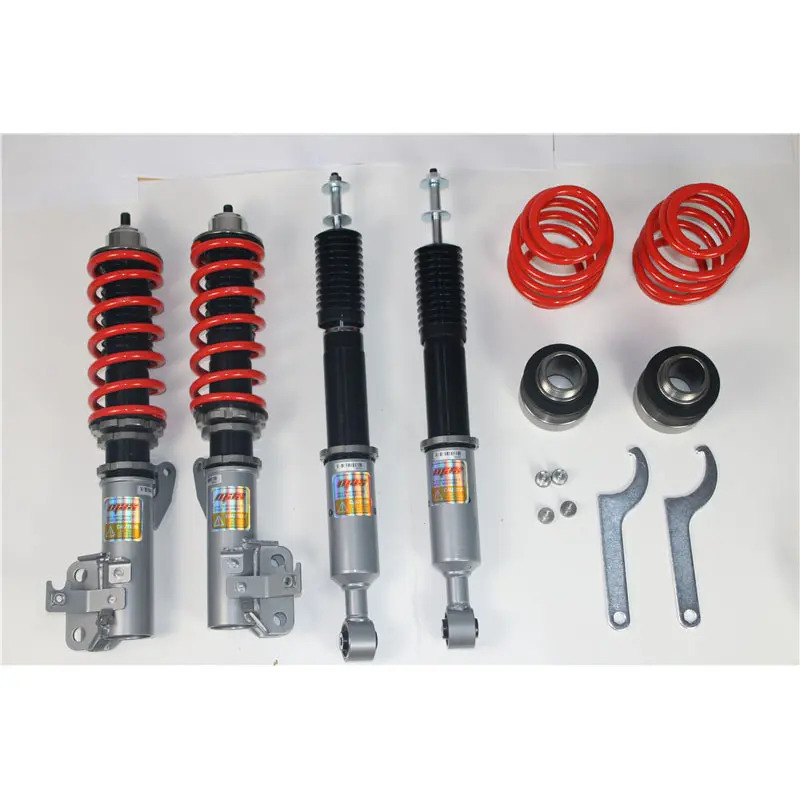
- You can use coilovers, which integrate a spring and a shock absorber into a single unit. You can adjust the settings for better handling and comfort.
Coil Spring vs Shock Absorber Overview
Why They’re Confused
Many people confuse coil springs and shock absorbers. Both components are present in a car’s suspension system. They are located close to each other and sometimes appear as a single unit, especially in coilovers. Both components contribute to improving ride smoothness and safety, but they work differently. Some drivers believe they function the same because they both react when the vehicle goes over bumps or potholes. However, each component has its unique function, and they work together to maintain vehicle stability and comfort.
Main Difference
The biggest difference between coil springs and shock absorbers lies in how they handle forces and motion. Coil springs are elastic, supporting the weight of the vehicle while absorbing shocks from the road surface. When a car goes over a bumpy road, the coil spring compresses downwards. This helps maintain vehicle height and prevents the vehicle from hitting the ground. Shock absorbers control the movement of the suspension via hydraulic fluid and valves, slowing the compression and rebound of the coil springs. This helps prevent the car from bouncing, tilting, or swaying.
Tip: Think of the coil spring as the part that takes the hit, while the shock absorber calms things down afterward.
Here is a simple table showing the main mechanical differences:
| Component | Function/Characteristics | Design Aspect |
|---|---|---|
| Coil Spring | Elastic part that reacts to up-and-down forces | Only deals with up-and-down forces and movement |
| Shock Absorber | Uses oil to slow down movement and give damping | Has a piston that moves in oil, slowing things down with valves |
Automakers manufacture coil springs to support the vehicle body, absorb bumps, and maintain ride height. The coil springs reduce the impact of bumps and potholes through compression. The shock absorber does not support the vehicle body; it controls the movement of the coil springs to ensure the tires remain in contact with the road, thus ensuring a smooth ride. Coilover suspension integrates the coil spring and shock absorber into an adjustable unit, contributing to improved vehicle handling and comfort.
What Is a Coil Spring and Shock Absorber?
Coil Spring Function
Coil springs help support the weight of a vehicle and absorb energy from road bumps. When a car travels on rough roads, the coil spring compresses and extends to maintain a smooth ride. Additionally, it helps maintain the correct vehicle height and ensures the tires remain in contact with the ground. Automakers use different materials to manufacture coil springs, each with its own advantages. The table below lists some common materials and their uses:
| Material Type | Key Properties | Applications |
|---|---|---|
| High Carbon Steel | Toughness, high tensile strength | General spring applications |
| Chromium Vanadium Steel | Strength, flexibility, fatigue resistance | Automotive suspension springs |
| Chromium Silicon Steel | Hardness, heat resistance | Performance coil springs |
| Stainless Steel 302 | Corrosion resistance, toughness | Compression and extension springs |
Signs of Coil Spring Issues
Mechanics often discover problems with coil springs during inspections. Some of the most common signs include:
- Uneven vehicle height, such as the vehicle tilting to one side or one corner being lower.
- Bumpy or rough rides, more bouncing than usual, or decreased stability.
- The suspension system makes clicking or knocking noises.
- Visible damage, such as cracked, broken, or sagging coil springs.
If coil springs fail, it will affect the vehicle’s handling and may even lead to safety problems. For example, some SUV models have been recalled because rear coil springs could detach during driving, causing loss of control and increasing the risk of accidents.
Shock Absorber Function
Shock absorbers control the speed of the suspension system’s vertical movement. They use fluid and valves to slow the movement of the coil springs after the vehicle has traveled over bumpy roads. This component helps reduce bounce, maintain tire contact with the road, and improve steering and braking performance. Without properly functioning shock absorbers, the vehicle will bounce excessively and feel unstable.
Signs of Shock Absorber Issues
When shock absorbers begin to fail, drivers and mechanics will notice the following symptoms:
- More pronounced body roll or pitch than normal.
- The steering wheel vibrates or feels loose.
- The vehicle’s steering is not precise enough.
- Unusual noises from the chassis.
- Uneven tire wear, such as “cup wear.”
- Shock absorber oil leak.
- Physical damage to components.
Worn shocks can increase stopping distances by up to 10 feet at highway speeds, making the car less safe in emergencies.
How do Coil Spring vs Shock Absorber Work Together
Suspension Roles
A vehicle’s suspension system uses shock absorbers and springs to maintain vehicle stability and comfort. Each component has a unique function. Springs absorb the impact of road bumps. They help the tires maintain contact with the ground, thus improving ride comfort and stability. Shock absorbers control the up-and-down movement caused by the springs. They use fluids and valves to dampen this movement, making the ride smoother and safer.
- Springs absorb or cushion the impact of wheel-road friction, preventing the impact from being transmitted to the vehicle body.
- Shock absorbers suppress the up-and-down movement or vibration caused by the springs.
- These two components work together to maintain tire contact with the ground and enhance handling.
When a car drives over a bump, the springs compress to absorb the impact. Then, the shock absorbers dampen the movement, preventing the car from bouncing excessively. This synergistic action keeps the vehicle stable and helps the driver maintain control.
Why Both Are Needed
Modern car suspension systems rely on springs and shock absorbers to ensure safety and comfort. Springs support the vehicle’s weight and absorb road impacts. Shock absorbers control the movement of the springs, preventing excessive bouncing. Together, they maintain tire contact with the road, thus improving handling and safety.
Without shock absorbers and springs, the suspension system cannot function properly. With springs alone, the vehicle will bounce after every bump; with shock absorbers alone, it cannot support the vehicle’s weight or absorb impacts.
Here’s how it works:
- When the vehicle encounters a bump, the coil springs compress to absorb the impact.
- Then, the shock absorbers absorb the energy from the bump.
- This process reduces the springs’ vibration and maintains the vehicle’s stability.
A well-designed suspension system uses both shock absorbers and springs to ensure a smooth ride and safety. Shock absorbers and springs must work together to provide optimal ride quality and handling.
Coil Spring vs Shock Absorber: Key Differences
Comparison Points
Many people wonder about the difference between coil springs and shock absorbers. These two components work together in the suspension system, but their functions are not the same. The table below lists their main differences:
| Feature | Coil Spring | Shock Absorber (Shocks) |
|---|---|---|
| Main Function | Supports vehicle weight, absorbs impacts | Controls motion, reduces bounce |
| Role in Suspension | Holds up the car, keeps ride height | Keeps tires on the road, smooths ride |
| How It Works | Compresses and stretches | Uses oil and valves to slow movement |
| Shape and Design | Spiral-shaped metal | Cylinder with piston and oil |
| Effect on Ride | Makes bumps softer | Stops car from bouncing too much |
The coil spring supports the vehicle and absorbs the energy generated by bumps. The shock absorber controls the speed of the coil spring’s up-and-down movement. The shock absorber and coil spring work together to ensure vehicle safety and comfort. Without coil springs, a car cannot maintain proper ride height. Without shock absorbers, the car bounces after every bump.
Note: Shock absorbers and springs are both crucial for a smooth ride. They each have their specific roles in the suspension system.
Are They Interchangeable?
Some drivers wonder if they can replace coil springs with shock absorbers, or vice versa. The answer is no. These components are not interchangeable. They each play a unique role in the suspension system. Coil springs support the car’s weight and absorb road impacts. Shock absorbers control the movement of the springs and reduce bounce.
If a car only has coil springs, it will bounce up and down after every bump. If a car only has shock absorbers, the support is insufficient, and the ride height will be too low. Shock absorbers and springs must work together for the suspension to function properly. Technicians always check both components simultaneously when inspecting a car’s suspension.
Tip: Always replace worn shocks and springs as a set for the best safety and comfort.
Shocks and springs keep the car stable, help the tires grip the road, and make driving safer. Both parts are needed for a good suspension system.
Coil Spring vs Shock Absorber Common Misconceptions
Can You Drive With Only One?
Many drivers believe that a car can be driven safely with only coil springs or only shock absorbers. This is a misconception. These two components play different roles in the suspension system. If a car only has coil springs, the body will bounce up and down after every bump. If only shock absorbers are installed, there will be insufficient support, and the car will ride too low.
Installing only one component can lead to several problems:
- Decreased braking performance, resulting in longer stopping times.
- Poor handling, potentially causing the driver to lose control when cornering.
- Faster tire wear due to uneven tire-road contact.
A car needs both coil springs and shock absorbers to maintain a safe and comfortable driving experience. Technicians usually check both components simultaneously when inspecting the suspension system. Replacing only one component can lead to greater damage and higher repair costs later.
Note: Suspension system problems are not always easy to detect. Sometimes, problems develop slowly, only becoming apparent when the damage is severe.
Do All Cars Use Both?
Most modern cars use both coil springs and shock absorbers. These components work together to ensure a smooth and safe ride. Some older models or specially designed vehicles may use different types of springs, such as leaf springs or air suspension, but they still require components like shock absorbers or struts to control movement.
Many car owners have some misconceptions about suspension systems:
- Problems are obvious and easy to spot.
- Replacing one part will solve all the problems.
- All suspension components are the same.
- Suspension system repairs are always expensive.
- Suspension system problems don’t affect other car components.
- DIY repairs are just as good as professional repairs.
In reality, suspension components are connected to many other systems in a car. Neglecting any component can lead to problems with the tires, steering, or braking systems. Choosing the right parts and seeking professional help are essential to ensuring your vehicle runs safely and well.
When to Replace Suspension Parts
Warning Signs
Drivers can feel changes in their vehicles before suspension components fail. Experts say there are several warning signs to heed. These signs indicate you should check or replace your coil springs and shock absorbers:
- Excessive bouncing after driving over bumpy roads or potholes.
- The vehicle veers to one side when traveling straight.
- The front of the car dips when braking.
- Uneven tire wear.
- Unusual noises from the suspension system, such as clicking or squeaking.
- The steering wheel feels heavy or loose at different speeds.
- The vehicle is uneven or tilts when parked.
If you notice any of these signs, have a mechanic check the suspension soon. Waiting can make problems worse and repairs more expensive.
Importance of Timely Replacement
Replacing suspension components promptly ensures your vehicle’s safety and comfort. Worn coil springs can make the vehicle difficult to control and reduce stability. This is very dangerous, especially during fast cornering or hard braking. Weak springs will cause tires to wear out faster, so you’ll need to replace them sooner.
Shock absorbers help maintain vehicle balance, making driving easier. Weary shock absorbers increase braking distance, making emergency braking more difficult. Furthermore, degraded shock absorber performance reduces tire grip, decreasing vehicle handling.
Regular inspections of the suspension system help detect problems early. Automakers recommend checking shock absorbers every 12 months or 12,000 miles. Most manufacturers recommend replacing shock absorbers every 50,000 miles. For coil springs, if your vehicle is over five years old or one spring is damaged, they should be replaced in pairs.
- Regular inspections prevent major problems and maintain a smooth ride.
- Timely replacement of parts protects the tires and steering system.
- A good suspension system means better handling and fewer accidents.
Keeping suspension parts in good shape helps drivers stay safe and enjoy a smoother ride.
Coil springs and shock absorbers do different jobs in a car’s suspension. Coil springs take in energy from bumps and hold up the car’s weight. Shock absorbers control how the car moves and keep the ride steady. Both parts are important for safety and comfort. The table below shows how they are different:
| Component | Function | Integration |
|---|---|---|
| Coil Springs | Absorb energy, support vehicle weight | Main suspension component |
| Shock Absorbers | Control movement, enhance stability | Work with springs for performance |
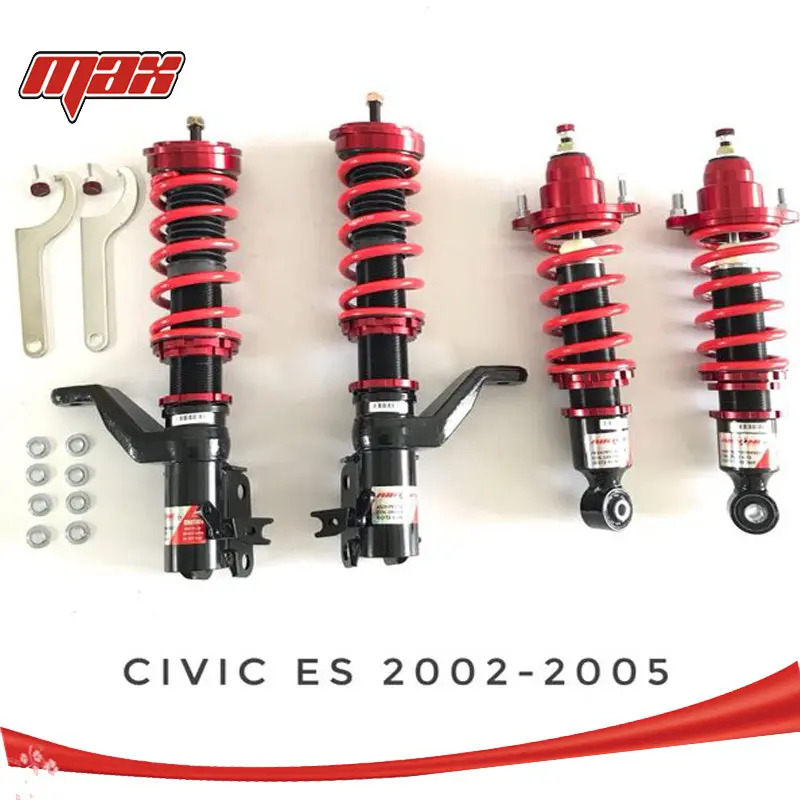
Many drivers confuse these two components, but they are not the same. Coilover suspension combines the functions of a coil spring and a shock absorber, allowing you to adjust the settings for a smoother ride. Max coilover suspension improves ride comfort, reduces vibration, and allows you to adjust how it works. Coilover suspension also reduces the feeling of road bumps and helps tires maintain grip. For complex repairs, a trained technician can ensure your safety and extend the life of your suspension components. Coilover suspension is a new way to improve handling and ride smoothness.
FAQ
What happens if a coil spring breaks?
A broken coil spring will cause the vehicle to become unstable, feel bumpy, and may even tilt to one side, affecting driving safety. In this case, the suspension system should be inspected by a mechanic immediately.
How long do shock absorbers typically last?
Most shock absorbers have a lifespan of approximately 50,000 miles (about 80,000 kilometers). Driving on rough roads will accelerate the wear and tear on shock absorbers. Regular inspections help detect problems early.
Can coilover suspension replace both springs and shock absorbers?
Yes, coilover suspension combines the functions of a spring and a shock absorber, improving both handling and comfort. Many car owners choose coilover suspension for better performance.
How to determine if the suspension system needs repair?
Signs that require repair include: a bumpy ride, uneven tire wear, unusual noises, or the vehicle pulling to one side. A mechanic can inspect the suspension system for damage.