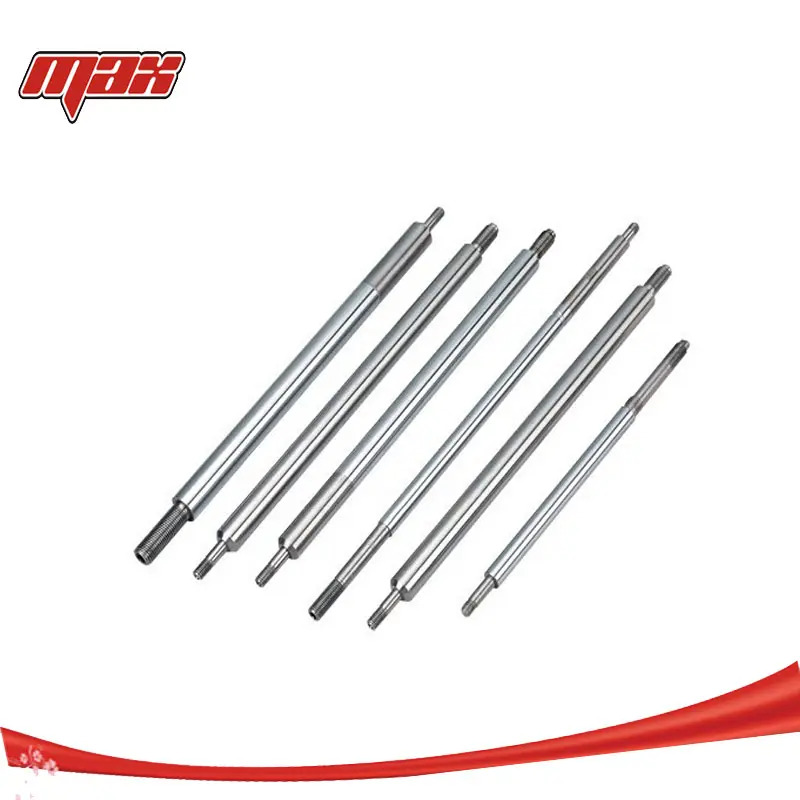
A shock absorber piston rod links the suspension to the main shock absorber body. It moves up and down when the car goes over bumps. This part is very important in the suspension system. It helps control how the car moves on rough roads. The quality of the piston rod affects how safe and comfortable the car feels
Max is a trusted piston rod manufacturer. They use strong materials and special coatings for their products. Many drivers choose Max when they want a reliable china shock absorber that performs exceptionally well.
Key Takeaways
The shock absorber piston rod links the suspension and the shock absorber. It helps make the ride smoother over bumps. – Check the piston rod often for wear, like oil leaks or strange sounds. This helps keep you safe and comfortable. – Pick good piston rods, such as ones from Max, for better performance and longer use. – Keep the piston rod clean and safe from rust. This helps it last longer and makes the suspension work better. – Learn how OEM and aftermarket piston rods are different. This helps you pick the best one for your car.
Shock absorber piston rod function and importance
How the piston rod works in suspension
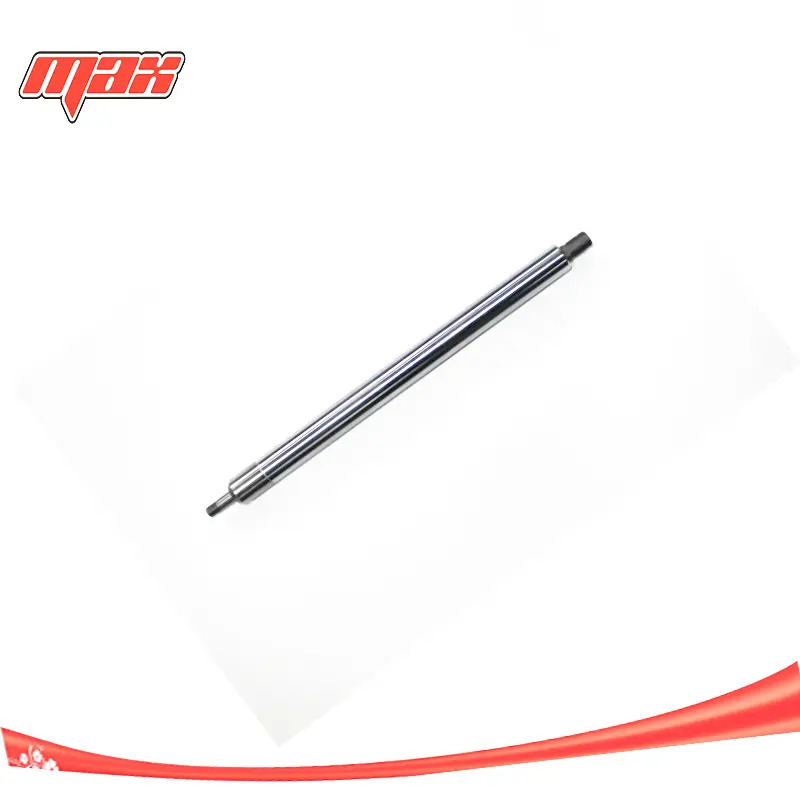
The shock absorber piston rod is very important in the suspension system. It links the piston inside the shock absorber to the car’s suspension parts. When the car drives over bumps, the piston rod moves up and down. This movement pushes the piston through hydraulic fluid. The fluid helps control how the suspension reacts to the road. The piston rod does these things:
Connects the piston to the suspension for smooth movement.
Controls the piston’s motion through hydraulic fluid to help the car handle road changes.
Regulates how fast the suspension compresses and rebounds to keep the ride comfortable.
Max Shock Absorber Piston Rods use strong materials and special coatings. These features help the piston rod work well and last longer, even when driving is tough.
Impact on ride comfort and safety
The shock absorber piston rod affects how comfortable and safe the ride is. It helps the shock absorber handle bumps, so tires stay on the road. This gives better grip and makes driving safer. The piston rod is important because it helps the suspension react quickly to changes in the road. Strong piston rods let the suspension absorb shocks and vibrations. This makes the ride smoother.
The damping system, which has the piston rod, keeps the car steady in different driving conditions. This makes handling easier and keeps the car stable. Dampers can lower stress on the chassis by up to 24% in crash tests. This shows how the piston rod helps keep the car and passengers safe.
Difference from other shock absorber parts
The shock absorber piston rod is not the same as other parts in the shock absorber. Each part has its own job and uses different materials. The table below shows the main differences:
Component | Material | Primary Function | Critical Properties |
|---|---|---|---|
Piston Rod | Chrome-plated steel | Force transmission | Corrosion resistance, hardness |
Piston Head | Powder metallurgy | Hydraulic control | Porosity, accuracy |
Piston Ring | PTFE/Bronze composite | Sealing and guidance | Wear resistance, low friction |
Valve Discs | Spring steel | Flow regulation | Fatigue resistance, deflection |
The piston rod is special because it sends force and must resist rust and wear. Other parts, like the piston head and valve discs, help control fluid flow and sealing. Max makes its piston rods strong and reliable, so they work well in any suspension system.
Tip: Check the piston rod often to keep your ride comfortable and safe. Drivers should look for signs of wear to make sure their suspension works well.
Piston rod materials and construction quality
Common materials for piston rods
Manufacturers pick strong metals to make piston rods. These metals must handle a lot of pressure and last many years. The most used materials are:
45# Steel (C45, SAE1045): This carbon steel is strong and easy to shape. Many companies use it for shock absorber piston rods.
40Cr Steel: This steel is even stronger and helps rods move fast and smooth.
Stainless Steel: Types like 304, 316, and 402 do not rust and work well in wet or rough places.
Some companies use aluminum alloys or composite materials for special jobs. These materials help balance weight, strength, and rust resistance.
Surface coatings and durability features
A piston rod needs a hard surface to stop wear and rust. Manufacturers add special coatings to protect the rod and help it last longer. The table below shows how each coating helps:
Coating Technology | Key Characteristics | Durability and Corrosion Resistance |
|---|---|---|
Hard Chrome Plating | Very hard, smooth, reduces friction | Great wear resistance, but can have tiny pores |
Plasma Spray | Porous, can be brittle | Less durable, depends on how it is applied |
Thermal Spray (HVOF) | Dense, sticks well to the rod | Good rust resistance, strong bond |
Laser Cladding | Welds to the rod, absorbs impacts | Excellent for tough jobs, handles scratches well |
Hard chrome plating is special because it makes the surface very hard. This coating can help a piston rod last up to ten times longer than one without a coating.
Note: Advanced coatings, like the ones Max uses, have tiny particles that stop wear. These coatings keep the rod safe from scratches and rust, even in hard driving.
What makes Max piston rods high quality
Max uses very strong steel and advanced coatings for every piston rod. The company follows strict rules, like ISO 9001:2015 certification. Max checks each rod with special machines to make sure it is the right size and very smooth. They also test rods in salt spray and long tests to see how they last.
Max makes different rods for many cars, from regular to sports cars. Each rod is strong, does not rust, and works smoothly. Drivers can trust Max to give good performance, even on bumpy roads.
Signs of piston rod wear and failure
Symptoms of a worn piston rod
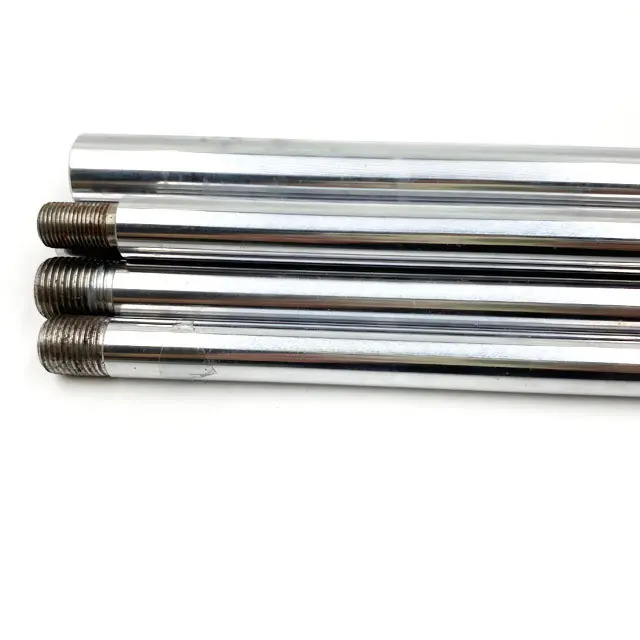
Drivers can spot piston rod wear by looking for certain signs. These symptoms often show up during normal driving. The table below lists the most common signs and what they mean:
Symptom | Description |
|---|---|
Oil Leaks | Fluid leaks from the shock absorber, causing more bouncing and less control. |
Foreign Noises | Clunking or rattling sounds when driving over bumps, showing possible damage inside the unit. |
Loss of Damping Properties | The car feels like it floats or sways more, making it harder to handle. |
Corrosion | Rust on metal parts, which can shorten the life of the shock absorber. |
Shock Absorber Rod Deformation | Bent or damaged rods can break seals and lead to leaks or total failure. |
Tip: Drivers should check for these symptoms after driving on rough roads or if the car feels less stable.
Effects on shock absorber performance
Piston rod wear changes how the shock absorber works. When the rod wears out, it cannot control oil flow as well. This leads to less hydraulic resistance. The car may bounce more, roll in turns, or dive when braking. The system loses its ability to keep the car steady. Drivers may notice less grip and more body movement. Proper damping helps control these motions and keeps the ride safe.
A worn rod reduces the shock absorber’s ability to handle bumps.
The car may feel unstable, especially at higher speeds or during sharp turns.
Other suspension parts may wear out faster because of extra movement.
When to inspect or replace the piston rod
Regular checks help prevent bigger problems. Most experts suggest inspecting shocks and struts every 20,000 kilometers. Replacement is usually needed every 80,000 kilometers. The average shock absorber piston rod lasts about 50,000 miles, but this can change with driving style and road conditions.
Cause | Description |
|---|---|
Damaged Bushings | Worn bushings cause extra movement, leading to faster piston rod wear. |
Worn Internal Oil | Old oil loses its ability to protect and dampen, making wear more likely. |
Deteriorated Components | Parts inside the shock absorber can weaken, lowering performance and causing more wear. |
Note: Drivers should replace the piston rod if they see leaks, hear noises, or notice changes in how the car handles.
Maintaining and caring for your piston rod
Routine inspection tips for piston rods
Checking the piston rod often helps the suspension work well. Both mechanics and car owners use different ways to find early problems. The table below explains what each method does and what it can find:
Inspection Method | Effectiveness |
|---|---|
Visual Inspection | Finds bends or damage you can see easily |
Advanced Diagnostic Tools | Spots tiny bends with lasers and special tools |
Regular Maintenance Checks | Helps find problems early and checks performance |
Looking at the rod can show rust or bends. Special tools can find small problems before they get worse. Checking the rod often stops big problems and keeps the car safe.
Tip: Check the piston rod after driving on bumpy roads or in heavy rain.
Cleaning and protecting against corrosion
Cleaning the piston rod keeps it strong and safe from damage. Dirt, sand, and road salt can make the rod rusty and worn out. Mechanics say to clean the rod in these ways:
Clean the piston rod often to get rid of dirt and salt.
Use gentle soap and water to wash it.
Dry the rod well after washing to stop rust.
Use strong water sprays or sound waves to clean off tough dirt.
Things like wet weather and road salt can make rust happen faster. When the air is wet, the rod can soak up water, making it weaker and more likely to crack. Special coatings and better plating help protect the rod from these problems.
Note: Always dry the piston rod well after cleaning so rust does not form.
Preventing premature wear
Taking care of the piston rod helps it last longer and saves money. Mechanics say to do these things:
Keeping the rod clean stops scratches and damage from dirt.
Cleaning often helps stop rust and keeps the rod strong.
Doing regular care means you do not have to replace the rod as much, which saves money.
Checking the rod while cleaning helps you find damage early and avoid big repairs.
Cleaning hard-to-reach spots stops dirt from building up and helps the rod move smoothly.
When the rod is in wet air, it can get weak and break more easily. Rust happens faster in wet places, which can make the rod fail. Drivers who do these steps help their suspension last longer and work better.
Choosing the right shock absorber piston rod
Factors for selecting a piston rod
Picking the right shock absorber piston rod helps your car work well and stay safe. Drivers need to think about a few important things before choosing:
How much the car weighs and how much it can carry
The way the suspension is built
If the rod fits with the car’s mounts
Where you drive, like in the city or off-road
How you use your car, such as every day or for sport
What kind of performance you want and how much you can spend
The type of oil used for smooth movement and lasting longer
A piston rod that matches your car’s needs will last longer and work better. Drivers should check the owner’s manual or ask an expert for help.
Max product options and customization
Max has many shock absorber piston rods for different drivers. The company sells both basic and advanced rods. Some rods let you change how the suspension feels.
Drivers can pick a rod that fits their driving style. If you like sporty driving, you can choose a rod with more ways to adjust damping. Max also has rods for regular daily driving.
OEM vs aftermarket piston rods
Drivers can pick between OEM and aftermarket piston rods. OEM rods are made by the same company as the car. These rods fit well and meet factory rules. Aftermarket rods, like Max’s, give more choices and features. Many drivers choose aftermarket rods for better performance or special needs.
Max is known for good quality and happy customers. The table below shows why Max Shock Absorber Piston Rods are a good choice:
Advantage | Description |
|---|---|
Commitment to Quality | Max checks quality carefully and works with certified factories. |
Competitive Pricing | Max sells products at prices that are fair. |
Customer Satisfaction | Max talks openly with customers and builds strong relationships. |
Global Presence | Max sells to people all over the world and is well known. |
Drivers who want a reliable and strong piston rod often pick Max. The company’s many choices and focus on quality make it a favorite for lots of car owners.
The piston rod links the piston to the outside parts. It sends road bumps to the piston. The piston rod pushes against fluid to keep the car steady. This helps stop shaking and makes rides smoother. Taking care of piston rods keeps the car safe. It also makes rides more comfortable and helps the suspension last longer.
Checking shock absorber piston rods often keeps cars safe. Worn parts can lower how well the car works, even if you do not see problems. Looking at and changing these parts on time protects the car and people inside.
Feature | Description |
|---|---|
High-Strength Materials | Max uses tough alloys that last long and fight rust. |
Corrosion Resistance | These rods work well in bad weather and pass hard tests. |
Adjustable Functionality | Max rods let you pick from 24 damper settings for better rides. |
Compatibility | Each rod fits with the car’s original parts for easy setup. |
Protective Features | Dust covers and double oil seals stop leaks and keep dirt out. |
Picking strong piston rods like Max makes driving safer and smoother. Checking and caring for them helps every driver have a comfy and reliable ride.
FAQ
What does a shock absorber piston rod do?
A shock absorber piston rod moves up and down inside the shock absorber. It helps the car handle bumps on the road. The rod keeps the suspension working well. This makes rides smoother and more comfortable.
How often should drivers check piston rods?
Drivers should check piston rods every 20,000 kilometers. Regular checks help find problems early. Mechanics say to look for leaks, rust, or bends after rough roads.
Can a worn piston rod affect car safety?
A worn piston rod can make driving less safe. It may cause the car to bounce more and handle worse. Drivers might notice less control when braking or turning.
What materials do manufacturers use for piston rods?
Manufacturers use strong metals like steel and stainless steel. Some rods have special coatings to stop rust and wear. These things help the rod last longer.
How do Max piston rods improve car shock absorber performance?
Max piston rods use tough steel and advanced coatings. These features help the shock absorber work better. Drivers get smoother rides and parts that last longer.