
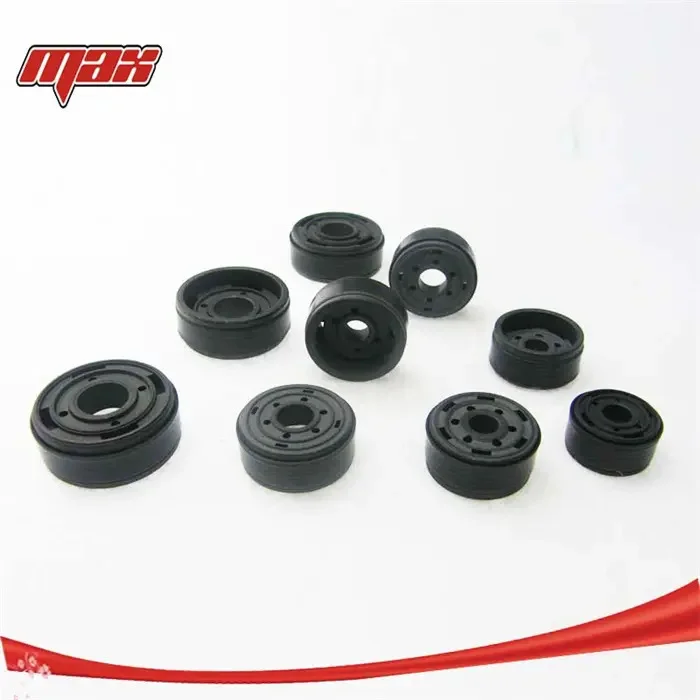
The sintering process consists of three stages: initial necking growth, porosity reduction, and grain boundary formation. During this process, material moves between particles. This movement forms necking, which enhances the strength of the part. As the sintering process progresses, the necking gradually increases, the porosity gradually decreases, and the part density increases accordingly. The image shows a sintered shock absorber part manufactured by Max Auto Parts Ltd. Those interested in automotive engineering should understand how these stages help in manufacturing high-strength parts.
Key Takeaways
The sintering process mainly comprises three steps: initial necking growth, porosity reduction, and grain boundary formation. Each step enhances the strength of the product.
Initial necking growth forms strong bonds between particles. This is crucial for manufacturing robust automotive parts like shock absorbers.
Porosity reduction during sintering increases the part density. This helps extend the part’s lifespan and improve its strength, which is very important for automobiles.
Grain boundary formation further enhances the part’s strength and helps improve its wear resistance. This allows the part to operate stably under pressure for extended periods.
Understanding these steps helps engineers manufacture better automotive components. This means better car performance and a more environmentally friendly product.
Three stages of sintering
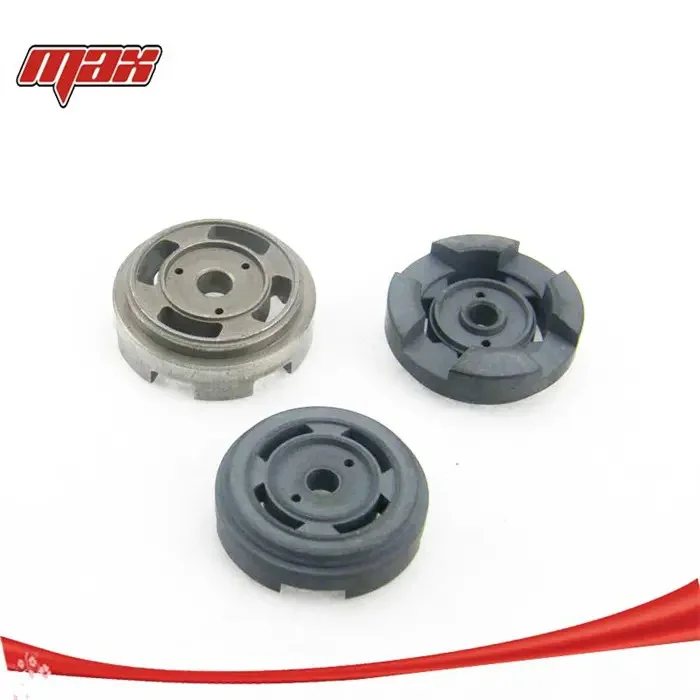
The three stages of sintering help enhance the strength of automotive parts. Each stage changes the structure of the powder, causing loose particles to coalesce into a solid. Max Auto Parts Ltd.’s sintered shock absorber parts utilize these steps to make them robust and durable.
Initial neck growth
The first stage begins when the powder is heated. Particles come into contact with each other, forming tiny bridging structures called necks. These necks grow larger as atoms move. This movement is called diffusion. The table below illustrates what happens in this stage:
Microstructural Change | Description |
|---|---|
Neck Formation | Particles connect through diffusion, forming tiny bridging structures, or necks. |
Diffusion Mechanisms | Surface diffusion and grain boundary diffusion contribute to neck growth. |
Mass Transport | Mass is transferred from the particle surface to the neck, forming bonds. |
Temperature Impact | As the temperature increases, the rate of neck growth accelerates. |
Surface diffusion, grain boundary diffusion, and bulk diffusion contribute to neck growth. Larger necks enhance part strength. This stage is crucial for powder metallurgy, preparing the material for subsequent steps. In shock absorber sintered parts, robust necking helps the part withstand stress.
Shrinkage of pore volume
The next stage reduces voids called pores. As the powder temperature increases, necking increases, pores shrink, and the part density increases. Scientists use porosimetry to measure pore size and Euler characteristic lines to study pore changes.
Porosimetry detects pore connectivity.
Euler characteristic lines reflect the sintering stage.
Mercury porosimetry measures pore closure.
This stage is crucial for automotive parts. Shock absorber sintered parts require as few pores as possible to ensure strength. Fewer pores result in a longer part lifespan and better performance.
Formation of grain boundaries
The final stage forms robust grain boundaries. As the powder temperature increases, grains grow and come into contact with each other. Grain boundary migration fills the tiny gaps, thus enhancing the part’s strength. The table below illustrates the role of grain boundaries:
Aspect | Description |
|---|---|
Grain Boundary Migration | Enhances part strength by crossing gaps. |
Interaction with Micro-Voids | Contributes to the manufacture of safe and robust parts. |
Stress Mitigation | Grain boundary migration reduces stress in parts. |
Mechanistic Link | Links hardening, grain boundary migration, and strength. |
Controlling grain size is crucial for manufacturing high-strength parts. Fine grains contribute to improved wear resistance. Additives can control grain growth and improve part performance. Shock absorber sintered parts utilize these properties to maintain strength under harsh conditions.
The three stages of initial necking growth, pore volume shrinkage, and grain boundary formation work synergistically to transform powder into robust automotive parts. Each stage makes the part stronger, denser, and better suited for modern automobiles.
Sintering process in automotive applications
Impact on strength and durability
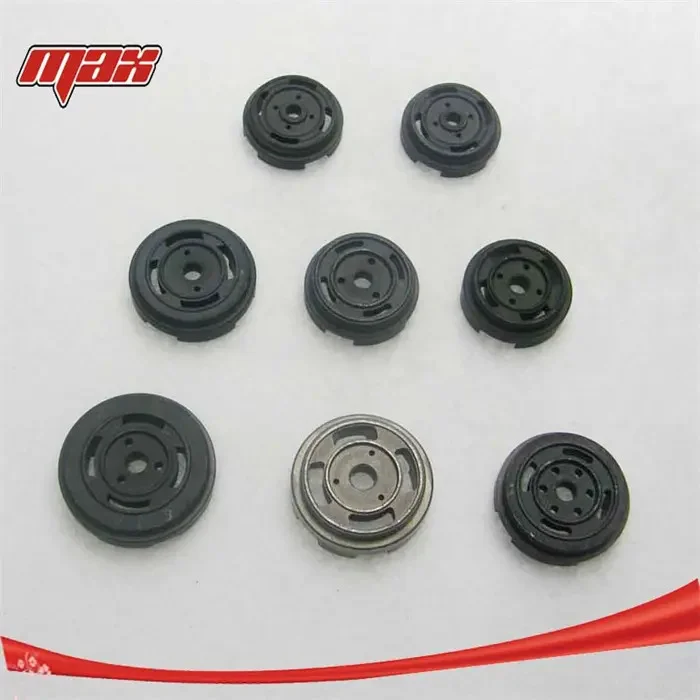
Automotive engineers utilize powder metallurgy technology to manufacture high-strength parts. The sintering process transforms powdered metal into a tough, dense component. Max Auto Parts Ltd. uses a special process to produce sintered shock absorber parts. These parts exhibit significantly improved strength and toughness. The table below shows the performance improvement:
Improvement Type | Percentage Increase |
|---|---|
Tensile Strength | 30% |
Bending Fatigue Strength | 15% |
Impact Resistance | 50% |
Hot isostatic pressing creates micropores within the component, making it denser and less prone to fracture. Sintered shock absorber parts can withstand bending and impacts without breaking, maintaining strength even after repeated use. Sintered powder metal parts have a longer lifespan and are less prone to cracking. These properties help ensure vehicle safety and performance.
Eco-friendly manufacturing benefits
Powder metallurgy technology facilitates the environmentally friendly production of automotive parts. The sintering process utilizes almost all of the powder, resulting in minimal waste. The factory saves energy by reducing heating temperatures. The following table lists the advantages of this process:
Benefit | Description |
|---|---|
Material Efficiency | Raw material utilization is close to 100%, with minimal waste. |
Energy Saving | Raw material utilization is close to 100%, with minimal waste. |
Reduced Emissions | Advanced filtration systems minimize waste and reduce CO2 emissions. |
Sintered parts can be made from recycled powder. Lighter parts help reduce fuel consumption in automobiles. Reduced energy consumption can halve greenhouse gas emissions. Water consumption in some plants has been reduced by 40%. These measures help make automobile manufacturing more environmentally friendly.
Real-world performance in vehicles
Max Auto Parts Ltd tested sintered shock absorber components in multiple vehicle models. Passenger cars experienced smoother and safer rides. SUVs were more stable on rough terrain. Sports cars exhibited more agile and responsive steering. The table below illustrates the functions of these components:
Application Type | Benefits | Outcome Metrics |
|---|---|---|
Passenger Vehicles | Improved comfort and safety | Improved ride smoothness and reduced driver fatigue |
Off-Road Vehicles | Maintaining ground clearance and stability | Increasing load capacity and reducing suspension wear |
Performance Tuning | Improved handling and responsiveness | Further handling enhances driver confidence |
Shock absorbers manufactured using powder metallurgy remain effective even after one million cycles. They function properly in both hot and cold weather. Drivers experience enhanced handling and improved braking performance. Powder metallurgy and sintering processes help vehicles achieve optimal performance.
Why the sintering three stages matter
Ensuring reliability and compatibility
Each stage of the powder metallurgy process is crucial to the performance of automotive parts. The first stage forms strong bonds between powder particles, laying a solid foundation for the part. The second stage shrinks porosity, making the part denser and stronger. The final stage forms grain boundaries, enhancing the part’s wear resistance and stress resistance.
The quality control team inspects each stage to ensure part safety. They test the dimensions and mixing ratios of the powder metallurgy, check the shape of the green blank, and measure the hardness and density of the finished product. These steps prevent defects and ensure that each part can be perfectly installed in the vehicle.
The table below explains the importance of each stage to reliability:
Aspect | Importance |
|---|---|
Strength and Durability | Strong bonds between powder particles make the part tough and wear-resistant. |
Density Control | Precise density control helps achieve suitable mechanical properties. |
Material Properties | By varying temperature and time, the desired hardness, flexibility, and corrosion resistance can be obtained. |
Automotive engineers utilize these stages to meet stringent specifications. They closely monitor the entire process and use feedback to ensure part stability and compatibility.
Improving performance and lifespan
Optimizing each stage helps extend the lifespan of automotive parts. When powder metallurgy processes are refined, parts become stronger and more durable.
Sintering processes enhance mechanical properties, thus extending the lifespan of parts.
This process utilizes solid-state diffusion technology to strengthen automotive parts.
A good sintering process helps improve the wear resistance and shape retention of parts.
Sintering processes allow manufacturers to create complex shapes.
Sintering processes make full use of almost all materials, making them highly efficient.
Sintered parts, such as components in shock absorbers, have a longer lifespan than other parts. For example, sintered blades last 30-40% longer than older blades. This means fewer repairs and lower maintenance costs for car owners.
Automakers favor these stages because they help create robust parts. By understanding each stage, engineers can design powder metallurgy parts with better performance and longer lifespans.
The three stages of sintering transform metal powder into robust automotive parts. At Max Auto Parts Ltd., these stages help improve the performance of sintered shock absorber parts. The table below explains how each stage improves part performance:
Sintering Stage | Description | Impact on Performance |
|---|---|---|
Initial Stage | Atomic bonding forms neck-like structures between particles | Bonding begins, increasing strength |
Intermediate Stage | Neck-like structures increase in size, reducing porosity | Resulting in higher part density but lower strength |
Final Stage | Porosity separation, further increasing density | Giving parts higher strength and a longer service life |
Sintered parts exhibit superior performance and are environmentally friendly.
It enhances part strength, reduces energy consumption, and minimizes waste.
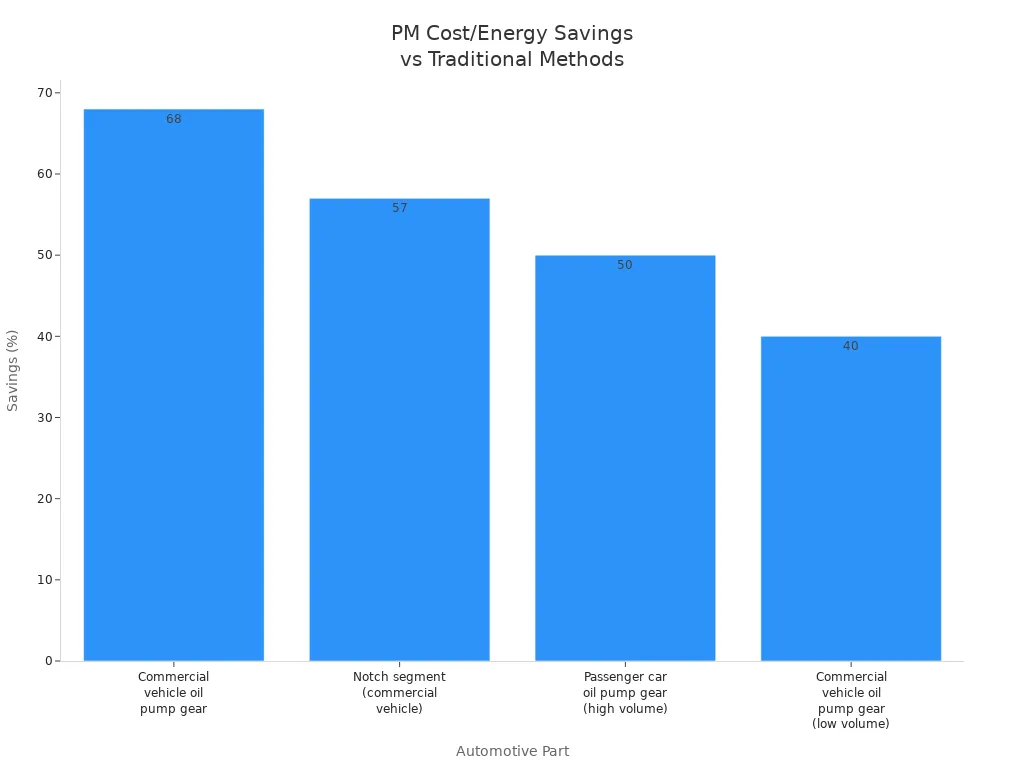
Automotive engineers choose sintered parts because of their high precision, high strength, and environmental benefits.