
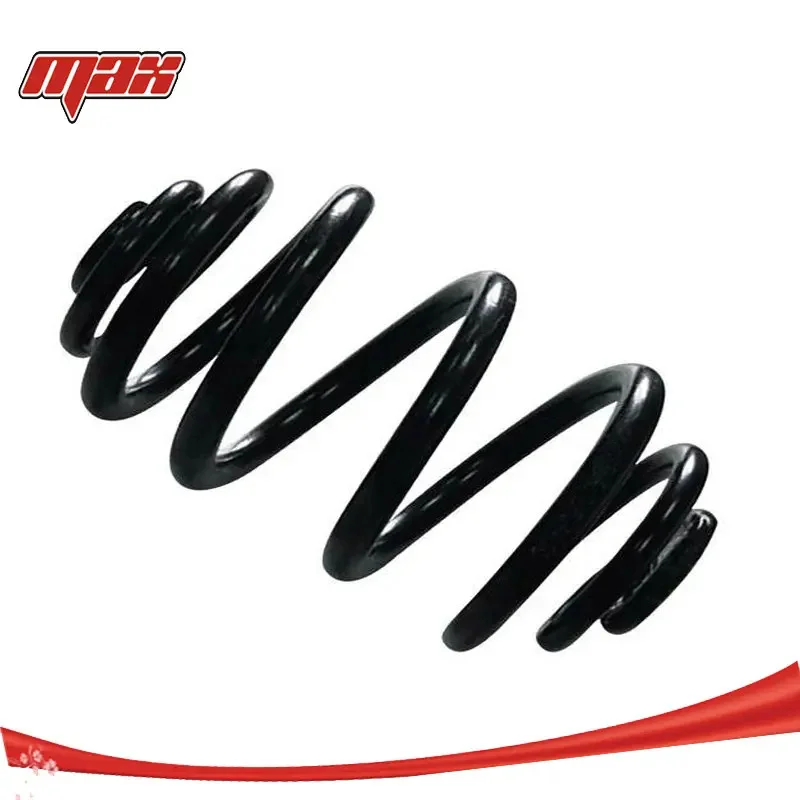
Drivers can see warning signs when coil springs start to fail. These signs are uneven ride height, weird noises, and changes in how the car handles. Finding these problems early keeps the suspension system safe. It also stops expensive repairs. People might hear clunking or see corners that sag.
- Checking coil springs often helps keep good traction. It also makes the parts last longer.
- If you ignore warning signs, rides can get rough. You might also have more breakdowns.
Many people think problems are easy to see or that fixing one part solves everything, but warning signs can be hard to notice and can hurt other parts too.
Key Takeaways
- Check your car’s height often. If one side is lower, the coil springs might be bad.
- Watch how your car drives. If it feels shaky or bounces a lot, the suspension might need fixing.
- Look at your tires for uneven wear. This can show problems with the coil springs.
- Change old coil springs right away. This stops more damage and keeps your ride safe and smooth.
Uneven Ride Height
Car Sits Lower or Higher
Drivers often notice changes in how their vehicle sits on flat ground. A car should appear level from side to side and front to back. When coil springs start to fail, the vehicle may sit lower or higher at one corner. This change can happen slowly, making it hard to spot at first. People sometimes see one wheel tucked closer to the fender or a gap that looks larger than usual. These signs show that the suspension is not holding the car evenly.
Tip: Park the car on a flat surface and step back to check if all corners look balanced. If one side sits lower, it may signal a problem with coil springs.
Many causes can lead to uneven ride height. Some of the most common include:
- Worn or broken coil springs that cause one corner to sag.
- Uneven tire wear, which often results from damaged coil springs.
- Weak or broken coil springs that create uneven weight distribution, making one tire wear faster than others.
- The vehicle should sit level; a lower corner suggests spring or strut failure.
Sagging Corners
Sagging corners are a clear sign that something is wrong with the suspension. When a coil spring loses strength, the car may lean during turns or sit unevenly when parked. This condition affects stability and safety. Drivers might feel the car pull to one side or notice that the ride feels rougher. Vehicles with sagging corners often show these symptoms more than other suspension issues.
A sagging vehicle is a primary sign of worn-out coil springs. These springs should keep the car balanced across all corners. If one corner sags, the suspension cannot support the weight properly. This imbalance can lead to further problems, such as faster tire wear and poor handling.
Note: Regular checks help catch sagging corners early. Early detection keeps the vehicle safe and prevents costly repairs.
Bouncing and Bottoming Out
Excessive Bouncing Over Bumps
Drivers can notice too much bouncing when coil springs get weak. The car shakes and bounces a lot, especially on rough roads or potholes. This makes the ride feel shaky, almost like being in a boat on rough water. People may find it hard to steer, and the car can be tough to control. The suspension moves up and down more, which makes rides less comfortable and less safe.
Tip: If your car keeps bouncing after a bump, coil springs might need fixing. Good suspension should stop bouncing fast and keep the car steady.
Many drivers say too much bouncing makes rides rough. The car shakes and moves more than it should, so trips feel uncomfortable. This problem can also make other parts wear out faster. When coil springs fail, the suspension cannot hold the car up right. The ride feels loose and not steady.
Vehicle Bottoms Out
Bottoming out happens when the suspension goes all the way down and the car hits its limit. Weak coil springs cannot hold the car’s weight, so the suspension moves too far. Drivers may hear a loud thump or feel the car hit the ground after bumps. This can happen even on normal roads, not just rough ones.
Many things can cause bottoming out. Not enough suspension travel means the car cannot handle bumps well. Bad shock absorption makes the suspension go all the way down, so the car bottoms out. Worn suspension parts also make this happen more often. When coil springs lose strength, the suspension cannot handle stress, so bottoming out happens more.
Note: Check your car often to stop bottoming out. If your car hits the ground a lot, coil springs may need to be replaced.
Irregular Tire Wear
When coil springs start to fail, tires often show unusual wear patterns. Drivers may not notice these changes right away, but tire wear can reveal problems in the suspension system. Paying attention to the tires helps spot issues before they become serious.
Uneven Tread Patterns
Tires should wear down evenly across the surface. If the tread looks patchy or has high and low spots, something may be wrong. Uneven tread patterns often mean the suspension is not holding the car level. Coil springs help keep the car balanced, so worn springs can cause the tires to press harder on one part of the road.
- Drivers might see bald spots or wavy lines on the tire.
- The steering wheel may shake or vibrate at certain speeds.
- Mechanics often check tread patterns to find hidden suspension problems.
Tip: Run your hand over the tire surface. If it feels rough or bumpy, have a professional check the suspension.
Faster Wear on One Side
Sometimes, one side of the tire wears out much faster than the other. This problem usually points to an imbalance in the suspension. When coil springs lose their strength, the car leans more to one side. The extra weight on that side makes the tire wear out quickly.
A table can help show what to look for:
| Symptom | Possible Cause |
|---|---|
| Inside edge wears faster | Weak coil springs |
| Outside edge wears faster | Misaligned suspension |
| Center wears faster | Overinflated tires |
Drivers should check their tires often. Early signs of uneven wear can prevent bigger problems. Replacing coil springs when needed keeps the tires lasting longer and the ride safer.
Visible Coil Springs Damage
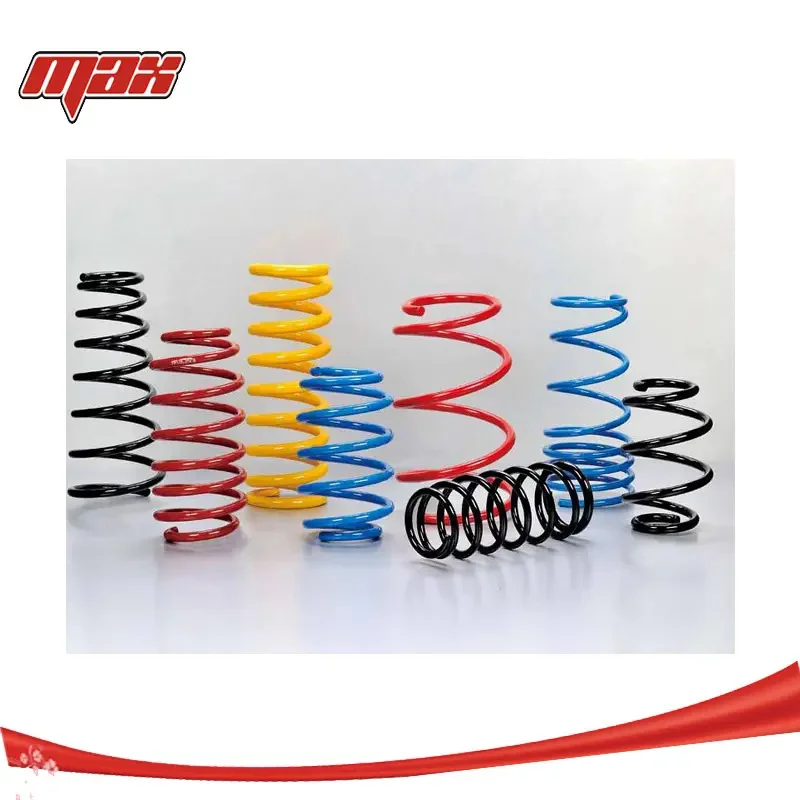
Drivers can often spot damage to coil springs with a simple visual check. Many signs do not require special tools. People should look for changes in the spring’s appearance or listen for odd sounds while driving. These clues help catch problems early and keep the vehicle safe.
Cracks or Rust
Cracks and rust on coil springs show clear signs of trouble. Rust weakens the metal and makes the springs more likely to break. Cracks often appear where the spring bends the most. Drivers may see flakes of rust or small splits along the coils. These problems can lead to a rougher ride because the springs cannot absorb bumps well. Rust also makes the springs squeak or creak when the car moves. People should check for these signs during regular maintenance.
Tip: Shine a flashlight on the springs to spot cracks or rust. Even small spots can grow quickly and cause bigger issues.
Broken or Separated Coils
Broken or separated coils mean the spring has lost its shape or snapped. Sometimes, a piece of the spring may even fall off. Drivers might hear rattling or clunking noises when going over bumps. The car may sit lower on one side, showing that the spring cannot support the weight. A broken coil can also cause uneven tire wear because the suspension does not hold the car level. People should replace damaged coil springs right away to avoid more costly repairs.
Regular checks help drivers find these problems before they get worse. Early action keeps the ride smooth and safe.
Handling Issues
Drivers can notice handling problems when coil springs start to fail. These problems make the car feel unsafe and hard to predict. Handling issues change how the car turns and steers.
Poor Steering Response
One sign of bad coil springs is poor steering response. The car might not turn right away when you move the wheel. Sometimes, there is a short wait before the car moves. This delay makes it harder to control the car, especially in emergencies. Drivers say the car feels less sharp and harder to steer. The suspension cannot keep the tires on the road well, so grip and safety go down.
Tip: If steering feels slow or the car pulls, coil springs may need fixing.
Many drivers also see the car pull to one side. This happens if one coil spring is weaker than the others. The car may drift when changing lanes or feel shaky during quick moves. These problems can cause uneven tire wear and make rides less smooth.
Increased Body Roll
More body roll is another sign of coil spring failure. When the car turns, the body leans more than normal. This leaning makes the car less steady and feel off-balance. Drivers often feel less safe when going around corners. The suspension cannot control the car’s weight, so it sways more in turns.
A table shows the most common handling problems:
| Handling Issue | Description |
|---|---|
| Increased body roll during turns | Drivers notice more leaning, which makes corners feel less safe. |
| Delayed response to steering inputs | The car takes longer to react when you steer, making it harder to drive. |
| General feeling of instability | Drivers feel less safe, especially when changing lanes or moving quickly. |
| Vehicle pulling to one side | A weak coil spring can make the car veer, which wears tires unevenly. |
These handling problems can make driving stressful. Drivers should check the suspension if they notice poor handling or more body roll. Fixing these problems early keeps the car safe and easy to drive.
Why Coil Springs Fail
Many drivers wonder why coil springs do not last forever. Several factors can cause these important parts to wear out or break. Understanding these reasons helps people keep their vehicles safe and running well.
Age and Wear
Over time, coil springs lose their strength. Years of use can make them settle and sag, especially after ten to fifteen years. Springs may develop tiny cracks or change shape, which lowers their ability to support the car. Some vehicles, like certain Mercedes models, show this problem in the rear springs. Mechanics often notice that replacing old springs improves ride height and handling. People sometimes see the back of the car sitting lower, which means the springs have worn out. Regular checks help spot these changes early.
Harsh Conditions
Driving on rough roads or through extreme weather wears out coil springs faster. Potholes, bumps, and uneven surfaces put extra stress on the metal. Rain, snow, and road salt can also cause rust, which weakens the springs. People who drive in tough conditions may need to replace their springs sooner.
Note: Regular driving on rough roads or carrying heavy loads shortens the life of coil springs.
- Rough roads and potholes increase wear.
- Extreme weather and road salt cause rust.
- Springs in harsh conditions fail sooner.
Overloading
Carrying too much weight puts extra strain on coil springs. When drivers haul heavy loads or tow more than the car’s limit, the springs must work harder than they were designed for. This extra force makes them wear out or break much faster. People should always check their vehicle’s weight limits to avoid damaging the suspension.
| Reason for Failure | Description |
|---|---|
| Inadequate Shot Peening | Not enough surface treatment leads to weaker springs. |
| Excessive Oxide Inclusions | Steel defects can make springs fail sooner. |
| Environmental Corrosion | Rust from weather or road salt causes springs to break down. |
Taking care of coil springs and avoiding overloads helps keep the suspension strong and safe.
Choosing Quality Replacement Parts
Factory-Direct Benefits
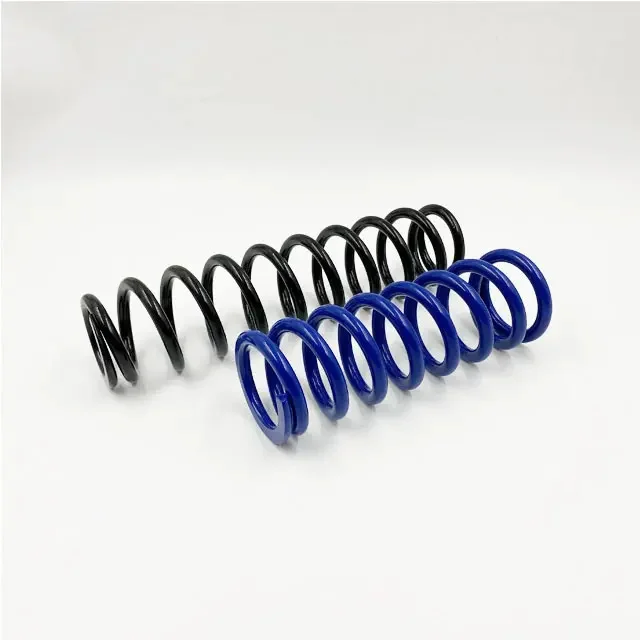
Picking factory-direct parts is a smart choice if you need new coil springs. MAX Auto Parts sells coil springs that are just like the ones your car came with. These springs make rides smoother and help your car carry heavy things. Factory-direct coil springs have a special design. They get stiffer when pressed down, so they stop the car from sagging. This keeps the car steady when you tow or carry extra weight.
Drivers who use factory-direct coil springs get these benefits:
- They fit just like the old springs, so putting them in is simple.
- They help keep the car level, even with heavy loads.
- They make the car work better when towing or carrying stuff.
- They give more safety and make the car steadier on the road.
MAX Auto Parts also sells shock absorbers and coilovers. These parts help drivers stay comfortable and in control. If you use factory-direct coil springs, you help stop future suspension problems.
Tip: Always pick factory-direct springs for the best fit and performance.
TS16949 Certification
It is important to pick certified coil springs. MAX Auto Parts makes coil springs in places that follow TS16949 rules. This means every step, from picking materials to testing, is checked for quality. Certified springs are safe, strong, and work well.
| Certification | Description |
|---|---|
| ISO/TS 16949 | This is a worldwide rule for making good car parts. |
| IATF 16949 | This rule helps car part makers manage risks and keep quality high. |
| ISO 9001 | This rule makes sure products are always made well in many industries. |
Certified coil springs are made from strong materials and have the right size. They can hold the right amount of weight. They also have good protection from rust, so they last longer. Using certified coil springs helps your car work better and last longer.
Note: Picking strong, certified parts helps stop breakdowns and keeps your car safe.
MAX Auto Parts is a trusted place for good coil springs, shock absorbers, and coilovers. Drivers who use these parts get better value and a car they can count on.
Drivers need to look for main signs when coil springs go bad. These signs include the car sitting uneven, bouncing too much, hard steering, and seeing damage. Checking the suspension every year or after 12,000 miles helps find problems early. Fixing coil springs quickly makes the car safe again and stops other parts from breaking.
Checking often and fixing problems fast keeps cars safe and comfy on the road.
FAQ
What causes coil springs to fail?
Coil springs can get weak from age, rough roads, or carrying too much weight. Rust and cracks can also hurt the metal. Drivers should look at their coil springs often to find problems early.
How often should coil springs be inspected?
Most mechanics say to check coil springs once a year or after 12,000 miles. Checking them often helps find problems early and keeps the suspension working well.
Can a car be driven with a broken coil spring?
It is not safe to drive with a broken coil spring. The car might not handle well and could get more damage. Mechanics say to replace broken coil springs right away.
What are the risks of ignoring coil spring problems?
If you ignore coil spring problems, tires can wear out unevenly. The car may not handle well and the suspension could break. Fixing coil springs early saves money and keeps the car safe.
Are factory-direct coil springs better for replacement?
Factory-direct coil springs fit right and help the car sit level. They work well and make the ride smoother. Certified parts, like ones from MAX Auto Parts, make cars safer and last longer.