

Many businesses use vibration damping bracket technology to ensure equipment safety and improve its operational efficiency. Vibration damping brackets mainly include vehicle coil spring dampers, microphone damping brackets, and large machinery brackets. Each type of damping bracket absorbs vibrations and reduces noise. Vibration damping brackets are used in cars, recording studios, and factories. For example, MAX coil spring dampers improve the smoothness of a car ride. Microphone damping brackets aid in recording. These tools protect critical components and ensure their proper functioning.
Key Takeaways
- Vibration damping brackets protect equipment from vibration and improve its operational efficiency. They are used in cars, recording studios, and factories.
- There are many types of vibration damping brackets, such as spring suspension and rubber brackets. Each type has its specific purpose. Selection should be based on its load-bearing capacity and the intended use.
- Coil spring dampers allow the driver to adjust the vehicle’s height, thus improving handling. They are ideal for racing and everyday driving.
- Microphone damping brackets improve sound clarity by eliminating vibrations, helping you record noise-free vocals.
- Proper maintenance of vibration damping brackets helps extend their lifespan. Please inspect regularly for damage to ensure proper functioning.
Types of Shock Mounts
Vibration damping mounts help protect equipment and improve its performance. There are various types of vibration damping mounts, primarily including flexible suspension mounts, rubber and elastomer mounts, wire rope and cable mounts, and coil spring and laminated mounts. Each type of vibration damping mount is manufactured using special processes to absorb shocks and reduce excessive vibration. General-purpose vibration damping mounts are widely used in household products and large machinery.
Elastic and Spring Mounts
Flexible suspension mounts utilize springs and flexible components to absorb the energy generated by bumps and vibrations. Engineers choose this type of mount because it is suitable for a variety of vibration damping applications. The springs allow the mount to extend and retract, thereby reducing the forces acting on the equipment. General-purpose vibration damping mounts with flexible suspension are widely used in automobiles, factories, and electronics.
- Tests show that using a double-layered housing with flexible suspension mounts in a transmission can reduce vibration and noise.
- Designers need to select appropriate springs; otherwise, the mount may generate more noise.
- Flexible suspension mounts are suitable for harsh environments but require careful design to achieve optimal performance.
Spring brackets are favored for their flexibility and ability to accommodate varying weights. Many vibration damping brackets utilize springs to assist in shock absorption and vibration isolation.
Rubber and Elastomeric Mounts
Rubber and elastomer vibration damping brackets use soft materials to absorb shocks and prevent vibration. These brackets are made from natural rubber, synthetic rubbers (such as nitrile rubber and neoprene), thermoplastic elastomers, and silicone rubber. The type of material affects the bracket’s performance in different environments.
- Natural and synthetic rubbers are elastic, which helps absorb energy.
- Thermoplastic elastomers are durable and effectively prevent vibration.
- Silicone rubber maintains its strength in both high and low temperature environments.
- Rubber-metal blends can withstand greater weight and extend service life.
- Viscoelastic polymers (such as Sorbothane) help eliminate vibration energy.
Rubber and elastomer brackets are widely used in a variety of applications. The table below lists their application areas and the weight and vibration they can withstand:
Cabs/Platforms:
- Load Range (lbs):Up to 1,146
- Natural Frequency (Hz):10-14
Office machines :
- Load Range (lbs):Up to 12
Motors :
- Load Range (lbs):Up to 35
Fans & blowers :
- Load Range (lbs):Up to 75
HVAC equipment
- Load Range (lbs):Up to 350

Rubber and elastomer bearings are a type of general-purpose vibration damping bearing. They provide good vibration isolation and damping effects in many applications.
Wire Rope and Cable Mounts
Wire rope and cable vibration damping bearings utilize twisted steel cables to absorb shocks and vibrations. These bearings store energy through various bending patterns. The friction between the steel wires helps to suppress vibrations, making them excellent dampers.
| Characteristic | Description |
|---|---|
| Energy Storage | Stores a large amount of energy through different bending patterns. |
| Damping | Excellent vibration damping due to the friction between the steel wires. |
| Shock Response | Behaves like a flexible system when subjected to minor impacts. |
| Stiffness and Damping | Stiffness and vibration damping capabilities are tested in the laboratory. |
| Behavior Under Shock Inputs | Exhibits different behaviors under different loads, impact intensities, and durations. |
Wire rope and cable bearings are widely used in defense, aerospace, and industrial fields. They protect electronic equipment and computers during aircraft movements and landings. Missile launchers and tank guns also use these supports in harsh environments.
- Wire rope and cable supports offer excellent shock absorption and vibration isolation.
- These supports are more expensive than other shock-absorbing supports.
- Military aircraft require general-purpose shock-absorbing supports with wire ropes to protect equipment from vibration and impact.
Wire rope and elastomer shock absorption systems help protect equipment during movement and operation.
Coil Spring and Laminated Pad Mounts
Helical spring shock-absorbing supports use metal springs to support heavy loads and absorb shocks. Laminated supports consist of multiple layers of cork or foam and ribbed neoprene sheets. These supports combine shock absorption and vibration isolation.
| Type of Shock Mount | Typical Use Cases |
|---|---|
| Coil Spring | Used for installing air handling units, filters, air conditioners, and large ducts in buildings. Suitable for locations requiring frequent bending or stretching. |
| Laminated Pad | Used to prevent vibration, made of two layers of ribbed neoprene sheets sandwiching cork or foam. |
Coil spring bearings are used in buildings to support air handling equipment and large ductwork. Laminated pad bearings are used to prevent vibration in machines and equipment. General-purpose damping bearings in these categories help reduce noise and extend equipment life.
Tip: Industry standards, such as MIL-STD-810H, can help people choose the right damping bearings for critical work. These standards ensure that damping bearings function properly in environments with shock, vibration, high or low temperatures, humidity, salt spray, or dust.
The above types of damping bearings can meet many vibration damping and isolation needs. Choosing the right damping bearing depends on its application, load capacity, and operating environment.
Vehicle Shock Mounts and Coilovers
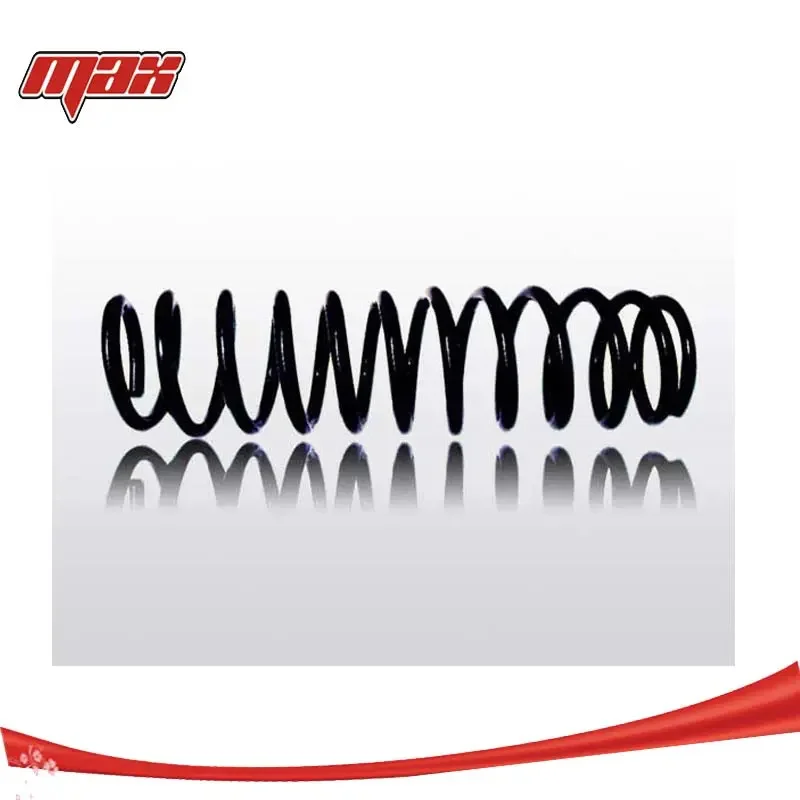
Coilover Shock Mount Overview
Damping bearings connect shock absorbers to the vehicle frame. They help maintain a smooth and safe ride. The upper bearing secures the top of the shock absorber, and the lower bearing secures the bottom. Most shock absorber bearings are made of tough rubber or metal, which helps absorb bumps and vibrations, improve vehicle handling, and protect components. The strut mounts work with the suspension struts to secure the components in place. Many drivers choose coilovers for better handling and comfort. Coilovers combine the spring and damper into one unit, a design that can support the vehicle’s weight and allows you to adjust the ride height. Coilovers allow you to use custom springs or classic model springs, suitable for racing, off-road, and everyday driving.
- The spring stiffness of coilovers can be easily changed.
- Drivers can raise or lower the ride height to improve appearance or handling.
- Coilovers help improve vehicle steering performance and reduce body roll.
MAX Coilovers: Monotube vs. Twin-Tube
MAX coilovers are mainly divided into two types: monotube and twintube. Each type of shock absorber is suitable for different needs. The table below lists their differences:
| Feature | Monotube Coilovers | Twin-Tube Coilovers |
|---|---|---|
| Performance | Best for racing and track use | Good for daily driving |
| Heat Dissipation | Excellent | Moderate |
| Durability | Very durable | Durable for normal use |
| Installation | Simple | Needs careful angles |
| Cost | Higher | More affordable |
| Ride Quality | Firm | Comfortable |
| Usage | Performance aftermarket shock | Street and light racing |
Monotube shock absorbers offer better handling and faster response. Twin-tube shock absorbers provide a smoother daily driving experience. Both types are suitable for racing and daily driving.
Choosing the Right Coilover Shock Mount
Drivers should choose the appropriate coilover suspension mounts based on their driving habits. For everyday driving, focus on good ride comfort and suitable spring stiffness. Racing cars require special damping and spring settings. Off-road driving demands powerful coilovers and sufficient travel. MAX coilovers are suitable for both street and racing cars. Properly chosen shock absorber mounts and strut brackets ensure the safety of the suspension system and contribute to improved safety. Racing shock absorber guides can help drivers choose the most suitable coilovers for their vehicles. For optimal performance, always check the spring and shock absorber settings.
Tip: Regularly checking and maintaining coilovers helps extend their lifespan and improve performance.
Microphone Shock Mounts for Voice Over Recordings
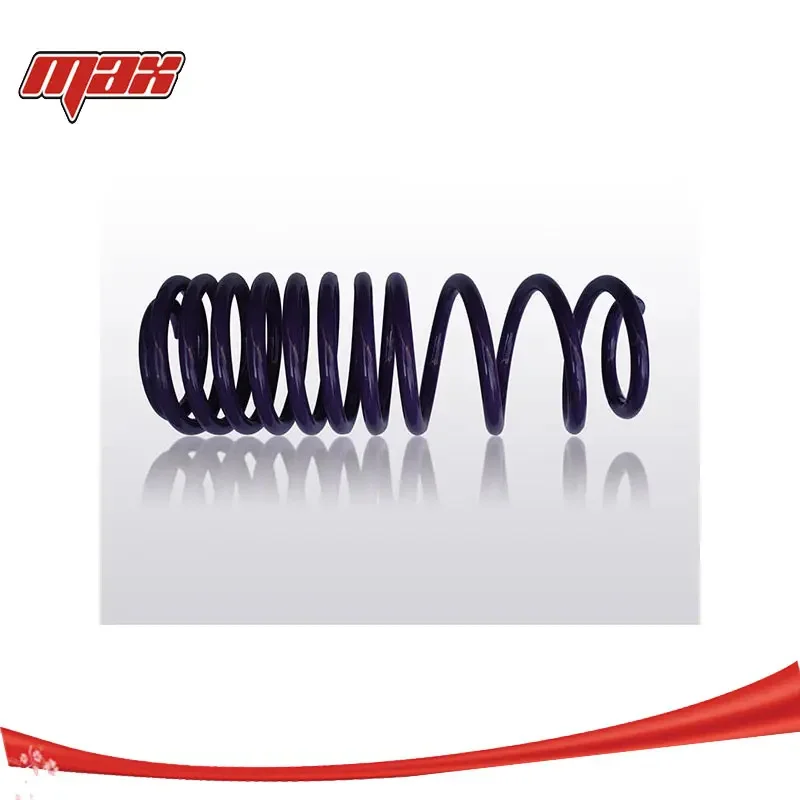
Types of Microphone Shock Mounts
Microphone shock mounts maintain clear sound by blocking vibrations. They prevent vibrations from being transmitted to the microphone. Three main types of shock mounts are used in recording studios:
- Elastic suspension mounts use elastic bands or rubber to secure the microphone. They absorb vibrations from the table or stand.
- Rigid shock mounts are made of sturdy materials to firmly hold the microphone in place. They are best suited for use in relatively still environments.
- Soft shock mounts are made of foam or soft rubber. They effectively protect the microphone from impacts and minor vibrations.
Some common microphone shock mounts include:
- Audio-Technica AT2020 Shock Mount: Lightweight and portable, suitable for a variety of microphones.
- Rycote InVision USM: Utilizes special Lyre technology to effectively block vibrations.
- Blue Radius III: Designed specifically for Blue microphones, with a stylish design.
- Maono Microphone Shock Mount: Adjustable, suitable for a variety of microphones.
Each microphone shock mount is designed to reduce noise and ensure clear voice recordings.
Benefits for Voice Over Recordings
Microphone shock mounts are essential for voice recording work. They use elastic bands or springs to secure the microphone to the stand, effectively blocking footsteps, table tapping sounds, or low-frequency noise from airflow systems. In voice recording, this means better sound quality and higher-quality recordings every time.
Microphone shock mounts isolate the microphone from its stand, reducing noise and minimizing post-editing work. Condenser microphones require this isolation to achieve clear sound. In the recording studio, shock mounts help everyone obtain clean audio.
Tip: Using a microphone shock mount blocks background noise, making recordings sound more professional.
Installation and Care Tips
To install a microphone shock mount, secure it to a stand or cantilever. Place the microphone inside the shock mount and ensure it is firmly installed. Adjust the elastic bands or clips so that the microphone does not touch the sides of the stand. Ensure the shock mount moves smoothly and effectively absorbs vibrations.
For maintenance, regularly check the elastic bands or rubber parts. Replace them if they are loose or damaged. Keep the microphone shock mount clean and dust-free. Store it properly when not in use. Good maintenance helps extend the life of the shock mount and ensures excellent recording results.
How to Choose and Maintain Shock Mounts
Factors in Selecting Types of Mounts
Choosing the right shock mount ensures safe and reliable operation of your equipment. Several factors need to be considered before selecting a shock absorber:
- Load capacity is crucial. The shock absorber bracket must be able to withstand the weight of the equipment and handle vibrations.
- The installation method and design are also important. The shock absorber bracket should match the equipment and be easy to install.
- Environmental conditions are also important. Some shock absorber brackets perform better in high temperature, low temperature, or chemical environments.
- The required amount of vibration isolation will also affect the selection of the optimal bracket.
- For vehicles, drivers should choose shock absorbers that match their driving style and vehicle.
Consulting an expert can help people find the most suitable shock absorber bracket for their needs. Shock absorber brackets are available for different applications, such as automobiles, microphones, and heavy machinery.
Installation Best Practices
Proper installation of shock absorber brackets ensures equipment safety. Many people make mistakes during installation. The following table lists common mistakes and their solutions:
| Common Mistake | Solution |
|---|---|
| Over-tightening the upper nut | Use the right torque so the parts do not wear out fast. |
| Not using a special tool for the stem | Always use the right tool to stop marks inside the cylinder. |
| Using unsuitable parts | Pick parts made for your equipment so nothing bends or breaks. |
| Ignoring technological operations | Follow all steps during installation for a good fit. |
Tip: Always read the instruction manual before installing shock absorber brackets or coilover shock absorbers. This helps prevent damage and ensures safety.
Maintenance and Troubleshooting
Proper maintenance of shock absorber mounts helps extend their lifespan and improve performance. Check the mounts for damage or leaks, and listen for any unusual noises, as these may indicate a malfunction.
- Inspect the shock absorber mounts for cracks or wear.
- If the mounts appear damaged, replace them immediately.
- Keep the undercarriage clean to prevent premature damage.
- Ensure the suspension system is functioning well, especially when using coilovers.
- Check tire pressure and wheel alignment to protect the shock absorber mounts.
- Perform a bounce test to check if the shock absorber mounts or coilovers are still effective.
- Use high-quality replacement parts from brands you trust.
- Perform other regular automotive maintenance services, such as tire rotation.
If the shock absorber mounts are not working properly, check for cracks and replace them if necessary. Regular maintenance helps all shock absorber mounts (including coilover mounts) maintain good performance and extend their lifespan.
Shock absorber mounts are mainly divided into several types, each with its specific function. The table below shows the price and performance of microphone shock mounts:
| Type | Price Range | Performance Characteristics | Application Suitability |
|---|---|---|---|
| Budget Tier | $8–$15 | Plastic body, elastic bands, for lightweight mics | Not needed for handheld or stage mics |
| Mid-Range | $16–$30 | Metal build, elastomer suspension, best value | Good for most users |
| Premium | $31+ | Precision metal, custom-fit, for professional studios | Best for heavy use and pro settings |
When choosing a shock mount, consider its strength. You should also consider its support range and the usage scenario. Regular inspection and cleaning can extend the life of the shock mount. For example, for cars, a high-quality shock mount like MAX Coilovers can improve driving safety and keep the suspension system in good working order. You need to choose the right shock mount according to your specific use. This applies to cars, microphones, and equipment. This is to achieve the best results.
- Shock absorber mounts help maintain the stability and quietness of equipment.
- Proper shock absorber mounts ensure equipment safety and better operation.
- High-quality shock absorber mounts mean less maintenance and greater safety.
If you regularly inspect and maintain your shock absorber mounts, they are less prone to damage and will last longer.
FAQ
What is the function of shock absorber mounts?
Shock absorber mounts absorb bumps and vibrations, protecting equipment from damage. They are used in cars, microphones, and machinery to help keep equipment running smoothly and quietly.
How often should shock absorber mounts be inspected or replaced?
Shock absorber mounts should be inspected every few months. If cracks are found or unusual noises are heard, the mount should be replaced. Regular inspection helps extend the life of your equipment.
Are MAX coilovers suitable for daily driving?
MAX coilovers are ideal for daily driving. They improve ride comfort and handling. Drivers can adjust the shock absorbers for city streets or rough roads. Many car owners choose MAX coilovers to ensure a safe and comfortable driving experience.
Why do microphones need shock mounts?
Microphones need shock mounts to block unwanted vibrations, thus maintaining clear recordings. Shock mounts can eliminate footsteps, tapping sounds, or noise from movement. Voice actors use shock mounts to achieve professional sound results.