
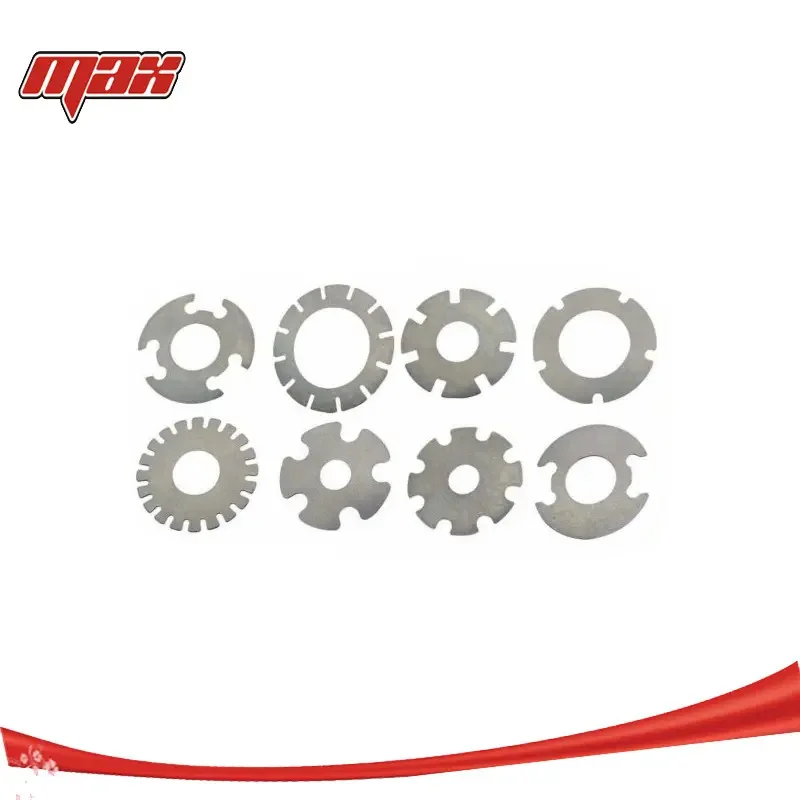
Not shimming valves can cause big problems. The engine can get damaged fast, lose power, and need costly repairs. Drivers might have trouble starting, face overheating, or the engine might stop running. Valve shimming, including the proper adjustment of shim valves, is very important maintenance. If you skip it, your engine could get hurt and not work well.Regularly check the valve cover for oil leaks and monitor the shock absorbers for oil leaks or a decrease in vehicle ride comfort, replacing them promptly to prevent damage to the suspension system.
Not doing valve shimming is always risky. Fixing it right away saves money and trouble.
Key Takeaways
- If you skip valve shimming, your engine can get badly damaged. The engine might get too hot and lose power.
- Checking valve clearance often keeps your engine working well. It also stops expensive repairs.
- Strange sounds like tapping can mean you need valve shimming. Check your valves when the schedule says to. This helps your engine run well and last longer.
- Ask a trained mechanic to do valve shimming. This will help you avoid more engine problems.
Why Shim Valves Matters
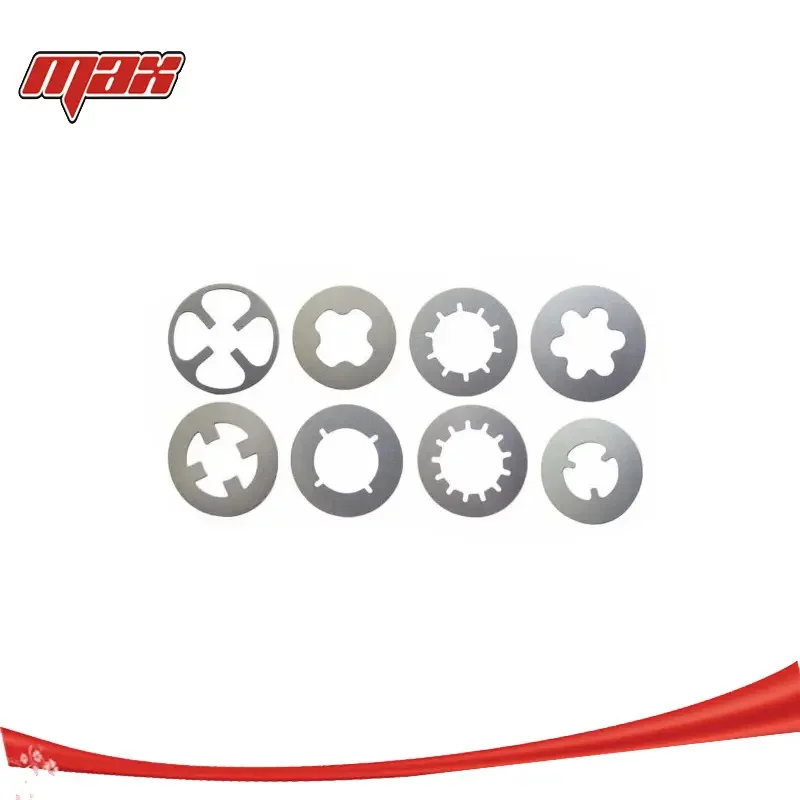
Valve Clearance Function
Checking valve clearance is very important for engine care. Valves help air and fuel go in and let exhaust out. When the space between the valve and its parts is right, the engine works well. This helps the valves open and close at the right time. Good valve adjustment makes the engine stronger and quicker. It also makes the engine quieter and smoother.
If the space is wrong, problems can happen. If it is too small, valves might not close all the way. This can make the engine lose power, be hard to start, get too hot, and burn valves. If the space is too big, the engine can get noisy and not work as well. Bad timing can wear out engine parts faster. Checking valve clearance often stops these problems and helps the engine last longer.
Adjusting valves often keeps the engine healthy and saves money on repairs.
| Effect | Description |
|---|---|
| Increased Wear | Wrong shim size makes the camshaft and valves hit each other more, which wears them out faster. |
| Overheating | If valves do not close right, the engine can get too hot from too much heat in the chamber. |
| Loss of Power | Less power, mostly at high speeds, can mean the valve timing is off because of bad shimming. |
| Increased Fuel Consumption | Bad timing from wrong shimming can waste fuel and make the engine use more gas. |
How Shimming Works
Valve adjustment needs careful steps to get the right space. Mechanics first measure the gap with feeler gauges. They check if the gap matches what the maker says. If not, they take out the camshafts and get to the valve buckets. The mechanic takes out the bucket and shim for the valve that needs fixing. After checking the old shim, they figure out the new shim size.
They put the valve parts back together and turn the engine to see if it moves freely. Mechanics use feeler gauges again to check the new gap. Tools like height micrometers and adjustable pushrod tools help them get it just right. Careful adjustment helps the valves work well and stops engine problems.
- Good valve spring action is key for engine power and trust.
- New materials and careful making of valve springs help them last longer and work better.
- The oil system needs the right gaps to keep oil moving and stop too much pressure.
Valve adjustment is not a choice. It is needed to keep the engine working well, stop damage, and make it last longer.
Risks of Not Shimming Valves
Engine Damage and Wear
If you skip valve shim adjustment, your engine can get damaged. When drivers do not shim valves, the space between camshaft and valves changes. This makes engine parts wear out faster. The camshaft and valves hit each other harder, so they wear down quickly.
With bucket and shim type valve operation, valve recession will happen causing the clearance to close up. So a quiet valve train isn’t a good sign and the clearances should be checked at the recommended intervals.
If the space gets too small, valves may not close fully. This can make the engine get too hot. Overheating burns the edges of the valves. Burnt valves cannot seal the chamber, so the engine loses power and may stop. High heat from bad cooling or a lean air-fuel mix can also burn valves. When this happens, fixing the engine costs a lot.
Performance Loss
Bad shim valve adjustment hurts how the engine works. The engine can lose power, especially when driving fast. Drivers may see the engine use more fuel than usual. Sometimes, the engine makes tapping or clicking sounds. These noises mean the space is too big and the valves are not working right.
| Sign of Performance Loss | Explanation |
|---|---|
| Increased Wear | Incorrect shim sizing causes the camshaft and valves to collide, increasing wear and reducing lifespan. |
| Overheating | Improper shimming can prevent valves from closing properly, leading to overheating in the combustion chamber. |
| Tapping or Clicking Sounds | Noisy valve operation indicates excessive clearance, signaling the need for shim adjustments. |
| Loss of Power | Reduced power, especially at high RPMs, suggests improper valve timing due to incorrect shimming. |
| Increased Fuel Consumption | Poor timing from improper shimming can result in inefficient combustion and higher fuel usage. |
A car with bad valve shim adjustment may run lean. This means the engine does not get enough fuel. It can cause detonation and more heat. Over time, these problems make the engine break down more often.
Reliability Issues
Not shimming valves on time makes the engine less reliable. The engine may be hard to start. Sometimes, it may stall or stop while driving. Adjusting the valves often helps stop these problems. When the valves have the right space, the engine works well and lasts longer.
- Valve shimming keeps the right space for valves, which is needed for engine power and life.
- Checking and fixing valves often stops too much wear and breakdowns, making the engine more reliable.
- Good valve timing from shimming helps the engine take in air and fuel and push out exhaust, which lowers pollution and makes burning better.
- Burnt valves happen from too much heat, which damages the edges or shocks them.
- High heat from cooling problems can burn valves.
- Engine problems that raise burning heat, like detonation or a lean air-fuel mix, can also burn valves.
Drivers who want to avoid expensive repairs should follow the schedule for valve shim adjustment. MAX Auto Parts says regular care keeps the engine running well and stops surprise breakdowns.
Long-Term Consequences
Costly Repairs
If you do not shim valves, repairs can get expensive. Mechanics see that skipping valve adjustment hurts many engine parts. Drivers might have to pay at least $300 for the first repairs. If the valve clearance is wrong, you may need new valve lifters. This fix can cost from $1,000 to $2,500. It costs more if many lifters need changing or the engine must come apart.
- Most valve clearance checks and repairs cost about $500 to $600.
- The price goes up if the mechanic finds more problems.
- Doing some work before repairs can help save money.
Not adjusting valves can burn valves and hurt camshafts. Bad damage may mean you need new camshafts and other parts. This makes the total repair bill higher. These repairs take a long time and your car cannot be used.
| Repair Type | Estimated Cost Range |
|---|---|
| Valve Clearance Check | $500 – $600 |
| Lifter Replacement | $1,000 – $2,500 |
| Camshaft Replacement | Higher, varies by model |
Drivers who take care of their valves do not pay these high costs and their engines last longer.
Reduced Engine Life
Not shimming valves makes the engine wear out faster. When valves do not have the right space, they cannot cool down well. This makes the valve get too hot and can burn part of the valve head. The engine cannot seal right, so it gets more damage. The problem gets worse as heat builds up and the engine does not work as well.
“When the valve clearance is too small, the valve does not spend enough time in contact with the valve seat for adequate cooling and may actually hang open slightly. The valve gets too hot and in extreme cases this may actually burn away part of the valve head, preventing proper sealing. It’s a snowballing effect. A tight valve means less cooling, which leads to more heat, which increases the chance of damage.”
Engines with skipped valve shimming break down sooner. They need more repairs and sometimes big parts must be replaced. Regular valve checks keep the engine working right and help it last longer. Drivers who follow the schedule get better engine performance and fewer problems.
Valve Shimming Myths
Is Skipping Ever Okay?
Some drivers think they can skip shimming if the engine sounds good. This is not true. Valves need to be checked often because the gap changes over time. Heat and use can make the gap smaller or bigger. If the gap gets too small, valves might not close. This can burn the valves and hurt the engine. If the gap gets too big, the engine can get loud and lose power. Skipping shimming may look safe, but it can harm the engine.
Some people believe if the car starts, the valves are fine. This is not right. Valve problems can grow slowly. Drivers may not see trouble until the engine is badly damaged. Mechanics say to follow the valve adjustment schedule to keep the engine healthy.
Regular shimming helps valves work well and saves money on repairs.
Expert Opinions
Experts in car care hear many myths about shimming valves. Some common wrong ideas are:
| Misconception | Explanation |
|---|---|
| Shimming changes spring pressures | Shimming sets the right height for valves. It does not change spring pressure. New springs are needed to change pressure. |
| All springs are the same | Each valve needs the same height and seat pressure. Many forget this, but it matters for how the engine works. |
| Adding shims is sufficient | Adding shims without checking for coil bind or space can cause engine trouble. You must know how shimming works. |
Car experts agree that skipping shimming is never safe. They say valves need the right gap for the engine to last. Mechanics at MAX Auto Parts remind drivers that regular checks protect the engine and help it run well.
Skipping shimming may save time now, but it can cause big repair bills and engine failure later.
Not shimming valves can hurt the engine. It can make the car lose power and cost a lot to fix. Shimming valves often helps engines stay strong and run well. Mechanics say to check valve clearance at certain times. For example:
| Vehicle Model | Recommended Interval |
|---|---|
| Honda CR-V (2000) | 60,000 miles |
| Honda CR-V (first-generation) | 30,000 miles (check) |
Drivers should listen for tapping noises. They should notice if the car feels weak or uses more gas. Checking valves often helps the engine last longer. It also saves money and stops the car from breaking down. Always let a mechanic shim the valves when needed.
FAQ
What is valve shimming?
Valve shimming means making the gap between the camshaft and valve just right. Mechanics use small metal pieces called shims to change this space. When shimming is done right, the engine works better and does not get damaged.
How often should valves get shimmed?
Most experts say to check valve clearance every 30,000 to 60,000 miles. Some engines need checks more often. Drivers should look at the owner’s manual for the right schedule.
What signs show valves need shimming?
- Hard to start
- Tapping sounds
- Less power
- Uses more gas
Mechanics say to check the valves if you see these signs.
Can skipping valve shimming cause engine failure?
If you skip valve shimming, the valves can burn, the engine can get too hot, or it might stop running. These things can make the engine break. Shimming the valves on time keeps the engine healthy.
Who should shim valves?
A trained mechanic should do valve shimming. This job needs special tools and skills. If shimming is done wrong, it can hurt the engine.