
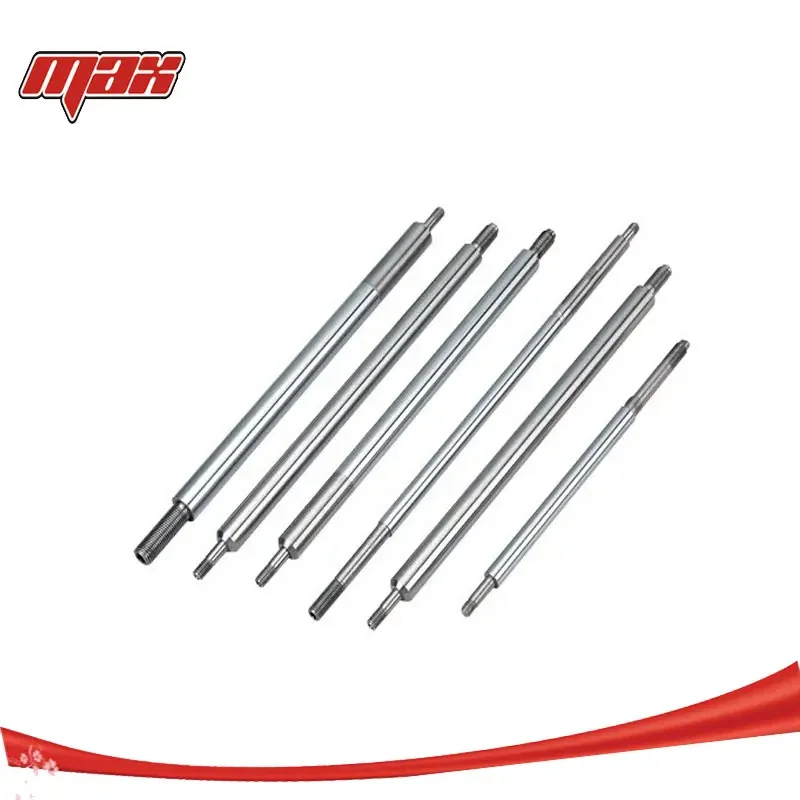
Pneumatic cylinders utilizing hollow piston rod technology are unique due to their innovative design. They offer effective solutions in applications requiring high precision and reliability. Pneumatic cylinders are used in many industries, such as:
- Manufacturing
- Construction
- Oil and Gas Industry
- Automotive Industry
MAX Auto Parts is a leading company with expertise in these advanced pneumatic solutions.
Key Takeaways
- Hollow piston rod cylinders are lighter. This allows for faster machine movement while reducing energy consumption.
- The hollow section provides space for sensors and cables. This makes these cylinders suitable for a variety of applications in factories.
- The hollow structure makes maintenance easier. Workers can quickly access internal components. This means less machine downtime.
Unique Design of Pneumatic Cylinders with Hollow Piston Rods
Hollow Rod Structure and Function
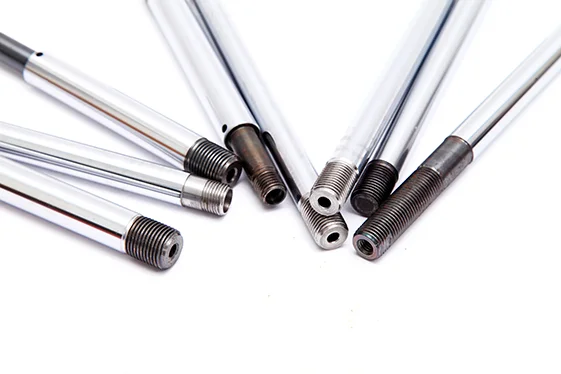
Pneumatic cylinders using hollow piston rod technology are distinguished by their special internal design. The middle section is hollow, making the cylinder lighter. This cavity also allows engineers to add additional components or sensors inside. Because the cylinder is lighter, it can reciprocate faster and consume less energy. Many companies use materials such as carbon steel, alloy steel, stainless steel, aluminum alloy, and titanium alloy to manufacture these cylinders. Each material has its unique advantages, such as increasing cylinder strength, preventing rust, or making it lighter.
Tip: Choosing the best material for a hollow piston rod cylinder helps improve its performance and extend its lifespan, especially in harsh environments.
The table below shows the differences between hollow piston rod cylinders and solid piston rod cylinders:
| Feature | Hollow Rod Cylinders | Solid Rod Cylinders |
|---|---|---|
| Weight | Lighter due to hollow design | Heavier due to solid design |
| Structural Integrity | Reduced strength, risk of bending under stress | Enhanced strength, suitable for high-pressure applications |
| Sealing Capabilities | More challenging to seal, risk of leakage | Superior sealing performance, prevents leakage |
| Internal Space | Ample space for adding other components or sensors | Limited internal space for customization |
| Maintenance | Easier access to internal components | More challenging access due to solid design |
This design allows the cylinder to perform push and pull movements with the same force and speed. It does not require a return spring because the hollow section facilitates its bidirectional movement. This results in smoother and more stable motion.
Fluid and Air Transfer Capabilities
Hollow piston rod cylinders are ideal for transmitting fluids and air through the central bore. This facilitates advanced applications such as remote control or the addition of sensors. The hollow piston rod allows air or other media to pass directly through the cylinder. This makes the cylinder more powerful and capable of handling more complex tasks.
The table below lists the important parameters of hollow piston rod cylinders for conveying fluids and air:
| Specification | Details |
|---|---|
| Structure | Stainless steel cylinder body, anodized aluminum end caps, stainless steel piston rod |
| Bore Sizes | 10 – 25mm |
| Stroke Lengths | 10 – 500mm, Bore Size Dependent |
| Nominal Pressure | 10 Bar (145 PSI) |
| Standard Fluid | Dry, Filtered Lubricated or Non Lubricated Air |
| Standard Operating Temperature | -20°C to +80°C, +4°F to 176°F |
| Optional High Temperature | -10°C to +120°C (10,12,16mm Bore), -10°C to +150°C (20,25mm Bore) |
| Optional Low Temperature | -40°C to +60°C, -40°F to +160°F |
These parameters indicate that hollow piston rod cylinders are ideal for applications requiring precise control of air or fluids. They allow air or fluid to pass through while simultaneously performing reciprocating motion, which is very useful for mechanical equipment that needs to perform multiple tasks simultaneously.
Hollow Piston Rods Maintenance and Accessibility
Hollow piston rod cylinders are easier to maintain. The hollow structure allows technicians to quickly inspect and repair internal parts. Engineers can access the piston rod, cables, or fasteners through the central bore. This means shorter repair times and higher machine operating efficiency.
The table below explains how this design contributes to cylinder maintenance and inspection:
| Design Feature | Contribution to Maintenance Accessibility |
|---|---|
| Hollow Piston Design | Allows for multiple operations through the central bore, enabling the installation of piston rods, cables, or fasteners. |
| Compact Form Factor | Designed for efficient operation in confined spaces where standard cylinders may not fit. |
| Optimal Access | The hollow bore and compact profile enable effective operation in tight or difficult-to-reach areas. |
Cylinders utilizing hollow piston rod technology are a great help to machine maintenance personnel. The simple design means less repair time and higher work efficiency.
Hollow Piston Rods Pros, Cons, and Industrial Applications
Key Advantages for Industrial Use
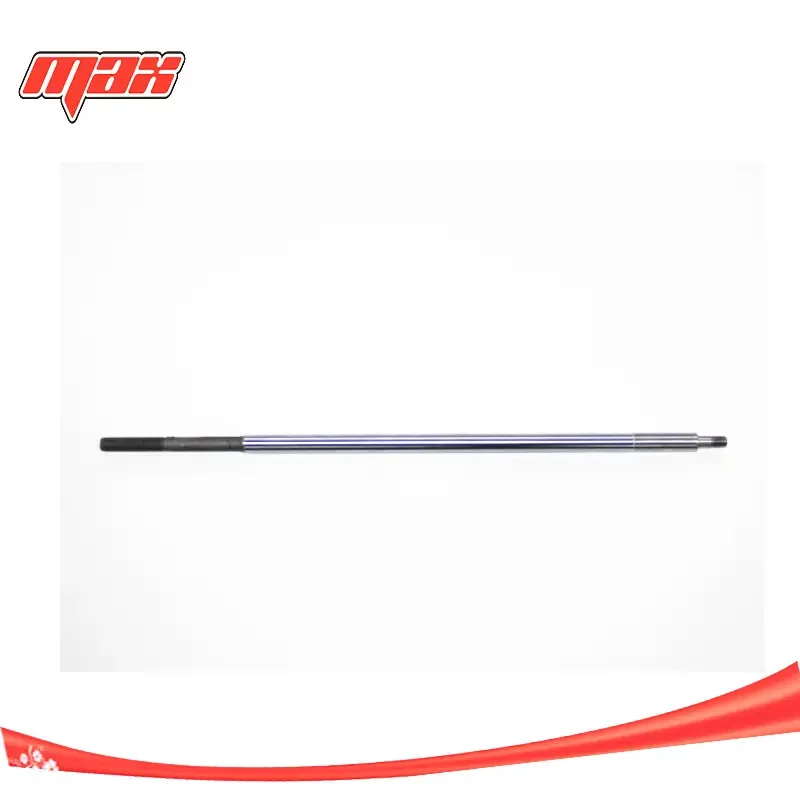
Hollow piston rod cylinders offer many advantages in factories. These cylinders are lighter, allowing machines to operate faster. The hollow section allows engineers to add sensors or cables internally. This makes the cylinders more versatile in different applications. Pneumatic cylinders can withstand higher pressures, so they work well in harsh environments. Hollow piston rod cylinders are less expensive to manufacture and easier to handle. The chrome-plated piston rods are less prone to rust, resulting in a longer lifespan and less maintenance. Factories like these cylinders because they help machines reduce energy consumption and operate quickly.
- Lighter weight means less material is used.
- This design allows for the addition of more components.
- Lighter cylinders help machines run better and faster.
- They have a longer lifespan, resulting in less machine downtime.
Hollow Piston Rods Potential Drawbacks and Limitations
| Drawback/Limitations | Description |
|---|---|
| Sealing challenges | Hollow piston rod cylinders face sealing issues. |
| Elastomer Seal Wear | Elastomer seals can wear out, affecting performance. |
| Manufacturing difficulties | Maintaining proper tolerances during production is challenging. |
These cylinders may have sealing and strength issues. This can lead to uneven operation and reduced thrust. If there is insufficient lubrication, there will be excessive friction between the parts. Worn seals or dirt can cause cylinder leaks. If the cylinder is damaged or improperly installed, it will not seal properly or function correctly.
Comparison with Standard Pneumatic Cylinders
Standard cylinders use solid piston rods. These solid piston rods offer better sealing and higher strength. Hollow piston rod cylinders are lighter and more versatile in factory applications. The hollow section allows the cylinder to move linearly and perform more functions. Standard cylinders are best suited for high-pressure applications. Hollow piston rod cylinders are easier to maintain and can accommodate special components.
Hollow Piston Rods Common Industrial Applications
Factories use hollow piston rod cylinders for many tasks, such as:
- Vacuum systems
- Creating low-pressure areas
- Saving machine space
- Enabling rapid movement in automated factories
MAX Auto Parts recommends checking stroke length, bore diameter, and material strength for optimal results in factory and automotive applications.
- The hollow piston rod allows fluids and gases to flow internally.
- Lighter cylinders help machines run faster and more efficiently.
- These cylinders can withstand high pressure and are suitable for various demanding tasks.
- These cylinders are widely used by robotics and automotive companies.
If you need assistance, MAX Auto Parts can provide advice to help you choose the right pneumatic solution.
FAQ
Why are hollow piston rod cylinders better suited for industrial automation?
Hollow piston rod cylinders are lighter than other types of cylinders. This helps machines operate faster. Engineers can install sensors inside the hollow section. This makes machines operate more intelligently and efficiently.
Can hollow piston rod cylinders withstand high-pressure operation?
Yes, they can. These cylinders are made of robust materials. Some use stainless steel or chrome-plated piston rods. They perform well even in high-pressure and harsh environments.
How does the maintenance of hollow piston rod cylinders compare to standard pneumatic cylinders?
Maintenance is simpler. Technicians can access internal components for maintenance through the hollow center. This means less machine downtime and a longer service life.