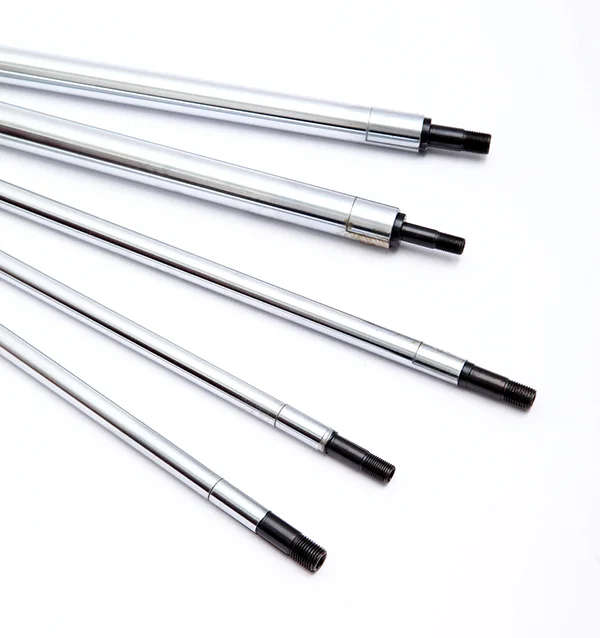
A piston rod is an important part in cars. It links the piston to the outside part of the shock absorber. This link lets the shock absorber control how the car moves over bumps. The piston rod moves force and motion from the wheels to the suspension. It controls oil flow and keeps the shock absorber closed tight. This helps keep pressure steady and stops leaks. MAX Auto Parts makes piston rods that are strong and work well. Knowing about the piston rod helps drivers see how it keeps cars safe and steady.
Key Takeaways
- A piston rod links the piston to the shock absorber. It helps control how the car moves over bumps.
- You should check for leaks and rust on the piston rod often. This can stop big safety problems from happening.
- Piston rods are made from strong materials like carbon steel and stainless steel. These materials make them last longer and stop them from wearing out fast.
- Taking care of the piston rod helps the ride feel smoother. It also makes the suspension system last longer.
- Engineers make piston rods to fit what each vehicle needs. This makes sure they work well for different driving conditions.
Piston rod function
Motion and force transfer
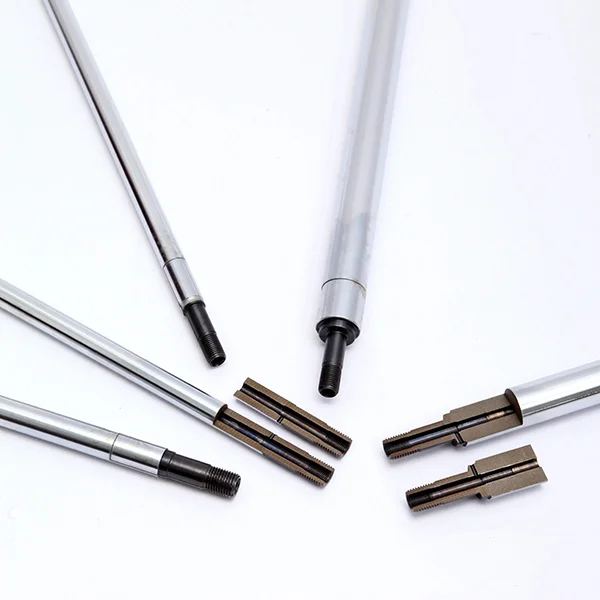
The piston rod works like a bridge. It connects the piston to other parts in the car. It links the piston to the crankshaft. This lets energy from the engine turn into movement. The piston moves up and down. The piston rod sends this motion to the crankshaft. This changes straight movement into spinning. This helps the engine run well and smooth.
Some rules in science explain how the piston rod moves force. Pascal’s Law says pressure in a fluid spreads everywhere with no loss. This helps hydraulic systems make force stronger. The piston rod must handle high pressure and bending. So, makers use strong materials to build it. The piston makes straight force by moving in the cylinder barrel. The size and smoothness of the piston matter for how well it works and how long it lasts.
- The piston rod sends force from the piston to other parts.
- Strong materials help the piston rod stay straight and strong.
- The piston rod holds the piston as it moves, helping the engine or suspension work right.
Some problems can make the piston rod fail. Using pliers when putting it in can scratch the surface and cause leaks. If the top nut is not tight enough, the parts can come loose. This can be dangerous. Broken threads or washers can also hurt the piston rod. Checking and caring for the piston rod often helps stop these problems. Check for leaks and rust every month. Look at it closely every 12,000 miles. Wash off road salt and dirt, especially near the ocean. This keeps the rod safe from damage. Use sprays to stop rust and add undercoating to protect chrome piston rods. Fixing small problems early, like changing worn bushings, stops bigger issues.
Role in shock absorbers and coilovers
The piston rod is very important in shock absorbers and coilovers. It controls how energy moves when springs go up and down. Inside a shock absorber, the piston rod works with oil. When the piston moves through the oil, it slows down the suspension. This cuts down on bouncing and keeps the car steady.
- Shock absorbers use the piston rod to slow spring movement and turn energy into heat, lowering shaking.
- The piston rod helps tires stay on the road, making the ride smoother and safer.
- Good piston rods in suspension systems control body roll, sway, and brake dive, making driving safer and more comfy.
Good piston rods are needed for steady performance. If the piston rod breaks, other parts wear out faster. The car can become less steady. Good materials and smart design cut down on shaking and protect other parts. Cleaning and checking the piston rod often helps the suspension work well.
Tip: Keep the piston rod clean and check it often. This helps keep your ride smooth and safe.
Piston rod materials and techniques
Common materials
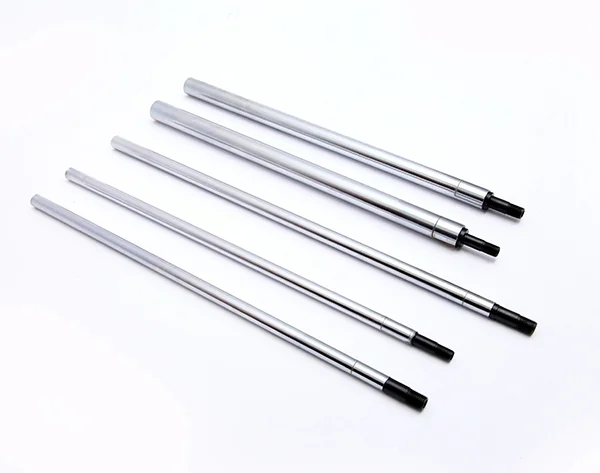
Automotive engineers pick piston rod materials for strength and how long they last. They also want them to fight off rust. They usually use carbon steel, alloy steel, and stainless steel because these work well. Carbon steel, like CK45 and SAE1045, is strong and not too expensive. Alloy steels such as 4140 and 4340 are tougher and do not get tired easily. Stainless steels, like SS431 and Stainless Steel 304, stop rust and last longer in tough places.
Many piston rods are made from hardened steel to handle heavy weight and big moves. Cast iron makes the rod strong and helps it last under stress. Composite materials cut down on rubbing and make the rod stronger. Chrome-plated rods have a smooth surface that wears less and keeps out rust.
Note: Good materials help piston rods last longer. Makers check quality closely to meet rules and stop rust.
Manufacturing techniques
Makers use different ways to build piston rods. Forging heats and shapes metal, making rods strong and with fewer mistakes. Powdered steel molding presses steel powder into shapes and heats it. This makes the rods the right shape and wastes less. Small batch production starts with solid bars, so custom orders and careful cutting are possible.
Heat treatment makes rods stronger and more reliable. Steps like annealing and induction hardening make rods tougher. Surface treatments, like hard chrome plating and QPQ, make the outside smooth and stop wear and rust. High velocity air fuel spraying puts on thin, hard layers for extra strength.
- Forging and heat treatment make piston rods stronger and last longer.
- Careful engineering helps piston rods work well in hard jobs.
- Surface coatings keep out chemicals and protect in tough places.
Things like heat and wet air can change how piston rods work. High heat can make materials weaker, and wet air can cause more rust.
Design considerations for piston rods
Sizing and strength
Engineers pick the right size and strength for each piston rod. The kind of vehicle is important. A small car needs a rod for normal bumps. An off-road SUV needs a rod for rough roads and big hits. The material, shape, and how it is made all matter for strength.
| Factor | Description |
|---|---|
| Material Selection | Picking the best material makes rods strong and last longer. |
| Design Features | Good size and shape help stop bending or breaking. |
| Manufacturing Process | Special ways like forging and heat treatment make rods tougher. |
Engineers use tests to check if the rod is strong enough. They test how it works with real bumps and shakes. They also check if it can handle high pressure. Salt spray tests show if it can fight rust. These tests help make sure the rod lasts a long time.
Note: Rules like ISO 1726 and IATF 16949 help guide how car parts are made and tested. These rules keep quality high and help keep people safe.
Application-specific features
Different vehicles need different piston rod features. Some rods use forged aluminum for extra strength in hard jobs. Others have special coatings to protect from heat and wear. Careful making helps the rod work well in tough places.
| Feature | Benefit |
|---|---|
| Forged aluminum | Makes rods very strong and helps them last in hard jobs. |
| Specialized coatings | Helps rods handle heat and rubbing, so they last longer. |
| Precise manufacturing | Makes sure rods work well in tough jobs and last longer. |
- Light materials like aluminum alloys help cars weigh less and use less gas.
- CNC machines help make sure every rod is made just right.
- Strong rods help keep cars safe and working well.
Some rods have coatings to block heat. Others have coatings to stop rubbing when the engine is cold. These features help rods last longer and work better in special jobs.
Piston rods help cars stay safe and work well. They are made from strong materials and are designed carefully. This helps them last longer and do their job better. Taking care of the piston rod keeps the hydraulic system working right. It also helps other parts last longer.
Using piston rods that are badly damaged is very dangerous. This can cause big problems and even make equipment break suddenly.
MAX Auto Parts checks every piston rod very closely. They make sure each one is high quality.
FAQ
What does a piston rod do in a car?
A piston rod links the piston to other car parts. It moves force and motion between them. This helps the suspension take in bumps. It also makes the ride smoother for everyone.
How often should someone check a piston rod?
Drivers need to look at piston rods every month for leaks or rust. A close check every 12,000 miles helps stop damage. This keeps the suspension working well.
Which materials make piston rods strong?
Manufacturers use carbon steel, alloy steel, and stainless steel. These materials help stop bending and rust. Chrome plating gives more protection and lowers wear.
Can a damaged piston rod affect safety?
Yes. A damaged piston rod can make the suspension fail. This can cause bad handling and unsafe driving. Checking the piston rod often helps stop these problems.
How does MAX Auto Parts ensure piston rod quality?
MAX Auto Parts uses strong tests and checks. They look for strength, how long it lasts, and if it resists rust. Every piston rod meets high standards before it is shipped.