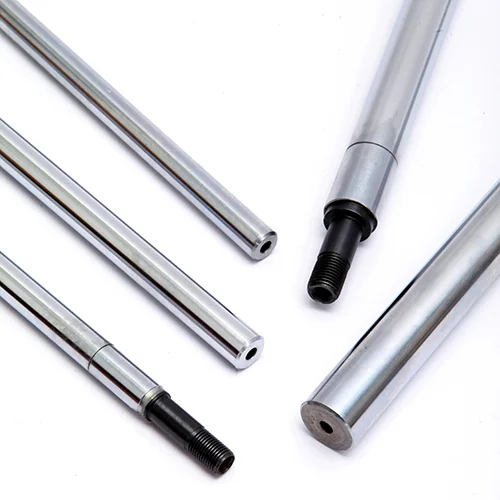
The piston rod manufacturing process has many careful steps.
- Material preparation shapes the base to make it strong.
- Forging makes the rod stronger by using high pressure.
- Precision machining makes the rod fit exact measurements.
- Heat treatment and grinding make the rod harder.
- Chrome plating helps the rod resist rust.
- Quality control checks that each rod meets tough rules.
MAX Auto Parts uses advanced CNC machining, surface treatments, and automation to make shock absorber piston rods that are high quality.
Key Takeaways
- Piston rod manufacturing has many important steps. These steps are material preparation, forging, precision machining, heat treatment, and chrome plating. Each step makes the rod stronger and tougher.
- Picking the right material is very important. Steel and chrome plating make the rod strong and stop rust. This helps the piston rod last longer in hard places.
- Precision machining is needed for a perfect fit. Special machines make sure the rod is the right size. This helps the piston rod work well in shock absorbers.
- Quality control is very important. Makers do many tests to find problems. They make sure each piston rod is safe and works well. This makes the rods better and more reliable.
Piston Rod Material Selection
Common Materials
Manufacturers pick strong materials for piston rods. Most use steel because it is tough and lasts a long time. Chrome plating goes on top of the steel. This helps stop the rod from getting scratched or rusty. Stainless steel is another choice if rust is a big problem. MAX Auto Parts uses high-quality steel and special chrome plating for their shock absorber piston rods. This makes the rods last longer and work well in hard situations.
Note: Chrome plating gives the piston rod a shiny look. It also keeps the rod safe from rust and scratches.
Selection Factors
It is important to pick the right material for a piston rod. The material decides how long the rod will last and how well it works. MAX Auto Parts looks at many things when they choose materials for their shock absorber piston rods.
- Strength: The rod must hold heavy weight without bending.
- Wear resistance: The rod should not wear down fast, even if it moves a lot.
- Corrosion resistance: The rod must not rust, even in wet or salty places.
- Specific application requirements: Some vehicles need rods that are lighter or stronger.
| Material Type | Advantages |
|---|---|
| Steel | Great strength for building and mining |
| Stainless Steel | Stops rust in marine and chemical places |
| Aluminum | Light weight, helps cars use less fuel |
| Composites | Best wear resistance for special parts |
Good materials help the piston rod last longer and fight rust. They also help the rod handle different weights. MAX Auto Parts always picks materials that meet strict rules. This careful choice makes shock absorbers work better and keeps them safe.
Forging and machining of piston rods
Forging Process
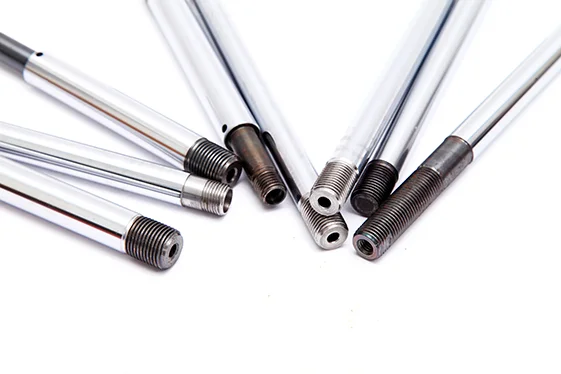
Manufacturers use a special process to make each piston rod strong and reliable. The journey starts with careful material selection. Many choose high-quality steel or special alloys because these materials can handle stress and last a long time. The next step is heating and forging. Workers heat the metal until it becomes soft. Then, they shape the piston rod under high pressure. This step makes the rod tough and gives it the right form.
After shaping, workers trim and finish the rod. They remove extra material and smooth the edges. Heat treatment follows to make the piston rod even stronger. Some rods get a special coating to protect them from rust and wear. Quality control experts check each piston rod to make sure it meets strict rules. They measure the rod and look for any problems. Machining of ring grooves comes next, which helps the piston rod fit perfectly with other parts. Finally, workers assemble the piston rod with rings and install it into the shock absorber.
Each step in the forging process helps the piston rod become strong, precise, and ready for use in vehicles.
Machining Steps
Machining gives the piston rod its final shape and smooth surface. This part of the process uses advanced machines to make sure every rod is the right size and fits perfectly. Precision is very important. Even a small mistake can cause problems in the shock absorber.
The main machining steps include:
- Turning: Machines spin the piston rod and cut it to the correct diameter and length. This step makes sure the rod is straight and smooth.
- Grinding: Workers use grinding machines to polish the piston rod. This makes the surface very smooth and helps the rod resist wear and corrosion.
- Assembly: In a clean room, workers put together the piston, piston rod, and valve discs. This keeps dirt away from the parts.
- Welding: Some rods need extra parts, like mounting brackets. Workers weld these parts to the piston rod so it can connect to the vehicle.
Precision machining uses advanced tools like CNC milling, CNC lathe turning, and grinding machines. These machines can hold very tight tolerances, often as small as ±0.005 inches (0.13 mm). This means the piston rod will always fit just right.
Precision in machining is not just about size. It also means the piston rod must be straight, flat, and round. Straightness keeps the rod moving smoothly. Flatness makes sure surfaces touch evenly. Circularity helps the rod fit tightly in the shock absorber.
Precision machining helps the piston rod last longer, work better, and keep the vehicle safe.
The industry sets strict rules for how close the piston rod must be to the right size. For example, a rod with a diameter of 50 mm must stay between 49.95 mm and 50.05 mm. Straightness must be within 0.02 mm for every 100 mm of length. Surface finish must also be very smooth, measured in Ra or Rz.
When manufacturers follow these rules, the piston rod works well and lasts a long time. It resists wear, reduces noise, and keeps the shock absorber running smoothly. MAX Auto Parts uses advanced machines and skilled workers to make sure every piston rod meets these high standards.
Surface treatment of piston rod
Heat Treatment
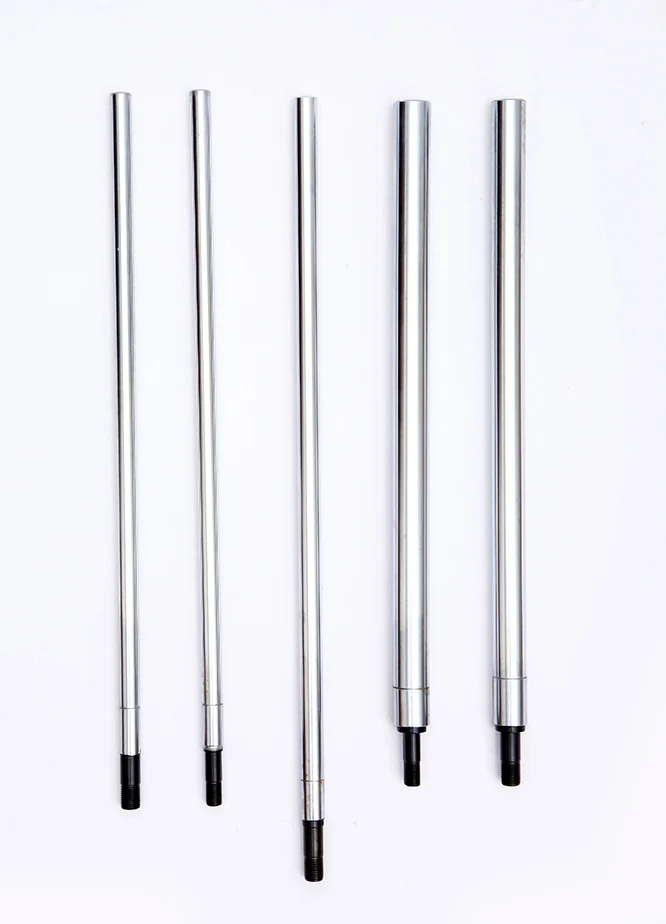
Manufacturers use heat to make piston rods stronger. They use methods like carburizing, nitriding, and induction hardening. Carburizing makes a hard layer on the outside by heating the rod very hot. Nitriding makes the surface harder and helps the rod not break from stress. Induction hardening makes certain spots on the rod hard very fast. MAX Auto Parts uses induction hardening to help the rod last longer and fight wear. This way, Successfully manufactured a robust and reliable piston rod.
- Carburizing makes a tough outer layer.
- Nitriding makes the rod harder and stronger.
- Induction hardening makes important spots extra strong.
Chrome Plating
Chrome plating keeps the piston rod safe from rust and damage. Workers put the rod in a bath and use electricity to cover it with chrome. This chrome layer protects the rod from water, chemicals, and dirt. Chrome plating helps the rod last longer, even in tough places. Data shows coatings like EHLMD and CLMD protect well from rust. Chrome plated rods can last many years and do not wear out fast. Their life can be 2 to 10 times longer. MAX Auto Parts uses special chrome plating so each rod stays strong and shiny.
Chrome plating makes the piston rod smooth and keeps it safe from scratches and rust.
| Lifespan of Chrome-Plated Piston Rods | Factors Affecting Lifespan |
|---|---|
| Can last for decades | Surface preparation |
| Enhances wear life by 2 to 10 times | Plating solution quality |
| Suitable for harsh operating conditions | Coating thickness |
Final Grinding & Patching
After chrome plating, workers grind and polish the piston rod. They use soft wheels and special stuff to make the rod smooth. This step takes away tiny marks and makes the rod shiny. Patching fills in small spots so the rod fits just right in the shock absorber. MAX Auto Parts uses good polishing and patching to keep the rod smooth and strong. These steps help the rod not get scratched or dented, so it lasts longer.
Careful surface treatment makes the piston rod tough, smooth, and ready for use in vehicles.
Piston Rod Quality Control
Inspection Methods
Manufacturers use different ways to check piston rods. They want to find problems before the rod is used. Workers use ultrasonic testing to spot hidden flaws inside. Dimensional tools measure the rod’s size and shape. Surface inspection looks for scratches or stains. Maximum force testing shows how much force the rod can take. Salt spray testing checks if the rod can resist rust.
| Inspection Method | Description |
|---|---|
| Ultrasonic Testing | Used to detect internal flaws in the piston rod. |
| Dimensional Measurement | Specialized tools measure the dimensions and shape of the piston rod. |
| Surface Inspection | Checks for scratches or stains on the surface of the piston rod. |
| Maximum Force Testing | Tests the maximum force the piston rod can withstand before bending. |
| Salt Spray Testing | Verifies the rust resistance of the piston rod under simulated corrosive conditions. |
Workers also check for common defects. Leakage happens if the rod has wrong material or shape. Wear comes from dirt or rough surfaces. Compression set means the rod changes shape and leaks more.
Testing Standards
Quality control follows strict rules like TS16949. These rules help make sure every rod is safe and strong. MAX Auto Parts uses these rules in their factories. They check each rod many times. This process keeps shock absorbers safe and working well.
Careful quality control makes piston rods work better, last longer, and stay safe.
- Improved performance: Good piston rods help shock absorbers work well. They make rides smoother and help cars turn safely.
- Increased durability: Strong piston rods last longer. They resist wear and need less fixing.
- Enhanced safety: Tough piston rods keep cars stable. They lower the chance of accidents.
Quality control makes sure every rod meets high standards. Workers check rods for size, strength, and surface finish. They use machines and careful tests. This process helps drivers stay safe and keeps cars running smoothly.
FAQ
What makes piston rod production important in shock absorbers?
Piston rod production makes strong parts for shock absorbers. The rod moves up and down inside the shock absorber. This helps the car handle bumps better. Good rods keep drivers safe and comfortable.
How does chrome plating improve piston rod production?
Chrome plating covers the rod to protect it. Workers add chrome so the rod does not rust or get scratched. This step helps the rod last longer and stay smooth. A smooth rod works better in the shock absorber.
Why do factories use heat treatment in piston rod production?
Factories use heat treatment to make rods harder. Heat changes the metal inside the rod. This helps the rod not wear out fast. It also keeps the rod strong when it is used a lot.
What quality checks happen during piston rod production?
Quality checks look for problems in the rods. Workers use special tests to find hidden flaws. They measure the rod and check the surface for marks. Factories follow rules to make sure rods are safe.
How does automation help piston rod production?
Automation makes production faster and easier. Robots and machines do the same jobs many times. This helps stop mistakes and makes rods more exact. Sensors watch the process to keep quality high.