
To ensure a safe and smooth driving experience, you need to keep your shock absorber system in optimal condition. Max shock absorbers provide reliable quality and performance for all drivers. Regular maintenance helps maintain vehicle comfort and protects the suspension system. Here are the key steps you should follow:
- Lubricate moving parts, such as adjustment threads and pivot points.
- Check ride height and damping settings.
- Protect the shock absorbers from inclement weather.
- Replace worn parts promptly.
- Schedule professional maintenance to detect problems early.
Most maintenance tasks can be easily performed at home.
Key Takeaways
- Properly maintaining your shock absorbers helps ensure safe and smooth driving. Check for problems such as rust or leaks to ensure your vehicle functions well.
- Regularly inspect and clean your shock absorbers. Cleaning prevents dirt buildup and rust, extending the life of your suspension system.
- Apply lubricant to moving parts such as adjusting threads and pivot points. This helps with easy adjustments and prevents parts from sticking.
- Ensure all nuts and bolts are tightened. Loose nuts and bolts can reduce vehicle handling and even create hazards. Monthly checks are recommended.
- Have your shock absorbers inspected and maintained by a professional every 10,000 to 40,000 miles (approximately 16,000 to 64,000 kilometers). This helps maintain optimal performance of the suspension system.
Coilover Maintenance Tasks
Essential Tasks Overview
To ensure your coilover suspension system is always in good working order, you need to follow some key steps. These steps help you identify problems early, thus ensuring a safe and smooth driving experience. Max coilovers stand out because they use premium materials and undergo rigorous quality control. You can see a comparison between Max coilovers and other products in the table below:
| Feature | Max Coilovers |
|---|---|
| Materials | Premium materials |
| Quality Control | Strict quality control |
| Durability | Resists rust, handles heavy loads |
| Testing Equipment | Advanced testing equipment |
| Standards | Meets international standards |
The following are the main maintenance tasks you should perform:
- Visual Inspection
Check the shock absorption system for oil leaks, rust, or damage. Also check for dust or debris, as these can cause problems. - Cleaning
Wash away dirt and road salt. Use a mild detergent to keep parts clean and prevent grime buildup. - Hardware Checks
Tighten the nuts and bolts. Ensure the connecting rod and connecting plate are secure. - Lubrication
Applying lubricant to moving parts such as threads and pivot points helps maintain smooth adjustment. - Rebuild Intervals
After driving a certain mileage, you should plan to have it inspected or replaced. This will ensure that your coilover suspension system always maintains optimal performance.
Tip: Regular maintenance helps extend the lifespan of coilover suspension systems and improve their performance.
Why Maintenance Is Important
Regular maintenance of your coilover suspension protects both your vehicle and your own safety. Regular checks help detect problems like rust or bent parts early, preventing potential issues. Well-maintained coil springs improve vehicle handling and stability, ensuring driving safety.
- You’ll experience a smoother ride and effectively reduce driver fatigue.
- Your vehicle will handle better, especially when cornering or driving on rough roads.
- You can also reduce the risk of suspension system failure.
- Early detection of problems avoids costly repairs.
Neglecting maintenance will expose you to the following significant risks:
- The suspension system may malfunction.
- You may lose control of the vehicle.
- Components will wear out more quickly.
- Safety hazards will increase.
Maintaining your coilover suspension system is simple, yet crucial. It ensures your vehicle’s safety and comfort, allowing it to handle various road conditions.
Visual Inspection for Coilover Performance

Regular visual inspections help maintain the proper functioning of your suspension system. Early detection allows you to identify problems and prevent bigger issues later. Please follow these steps to inspect your coilover suspension system:
- Regularly inspect your coilover shocks.
- Inspect the shock absorbers and other components for leaks, damage, or corrosion.
- Ensure all mounting hardware is secure and shows no signs of severe wear.
- Tighten all bolts and hardware connected to the coilover suspension system.
Oil Leaks
Fluid leaks are usually caused by seal failure or damage to internal parts. You might see fluid in or near the shock absorber. To detect leaks early, you can add a UV tracer to the fluid. After driving, shine a UV lamp on the shock absorber to detect any leaks. Cleaning the leak area before using the tracer will help you pinpoint the exact source of the leak.
Tip: Early detection of fluid leaks can protect your suspension system and avoid larger repair costs.
Corrosion and Rust
You may notice rust, especially when driving on snow where de-icing agents are frequently used. Height adjusters can also seize up due to corrosion. Most coilover suspension bodies are made of aluminum or galvanized steel, which helps prevent rust. Some brands use special coatings such as anodizing or galvanizing for added protection. Even with these treatments, you should still check for rust, especially after winter.
Dirt and Debris
Your shock absorbers are exposed to dust, dirt, road salt, and moisture every day. These factors can cause corrosion and accelerate component wear. Dust and debris can scratch the piston rods, making their movement less smooth. This increases friction, putting more load on the suspension system.
Signs of Wear
Inspect your shock absorber system for cracks, dents, or bent parts. Worn bushings or brackets can cause unusual noises or decreased handling. Replace any damaged parts immediately. Regular checks help ensure a safe and smooth ride.
Cleaning Coilovers
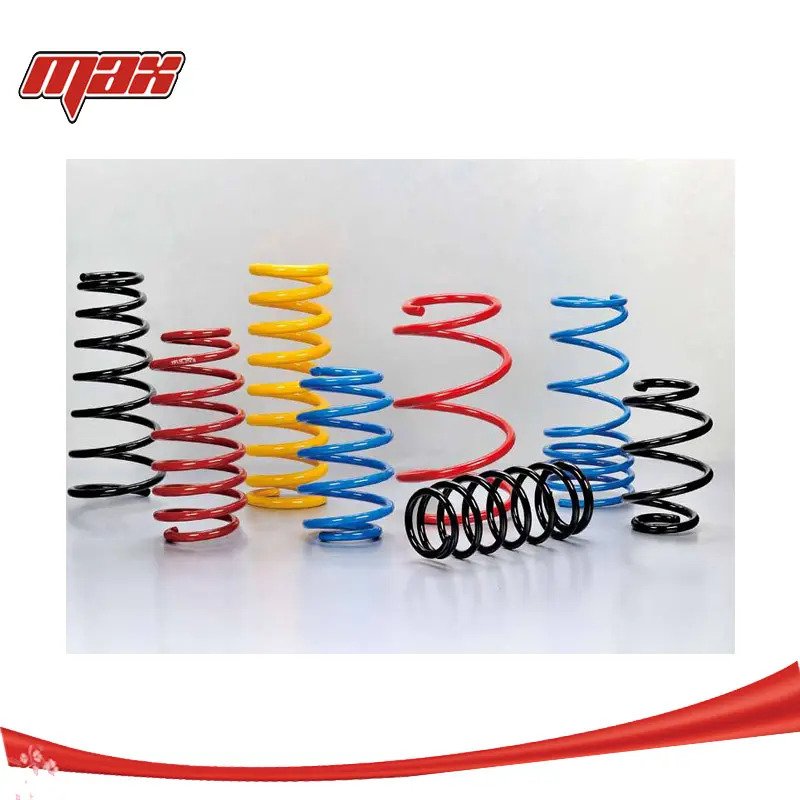
Cleaning the shock absorber system helps protect the suspension and improve ride comfort. Max shock absorbers are rust-resistant and function properly even in harsh environments. However, cleaning is still necessary after driving on muddy or salty roads. Regular cleaning prevents dirt buildup, thus maintaining the suspension system’s optimal performance.
Cleaning Products
Choose cleaning products that are safe for suspension components. Multi-purpose cleaners containing citrus ingredients can remove dirt without damaging rubber or metal. Mild soaps or specialized coilover damping cleaners help remove stubborn dirt. Never use harsh chemicals, as they can damage bushings or seals. Gently scrub dirt with a soft brush. Silicone-based lubricants or suspension greases keep moving parts running smoothly. Anti-jamming lubricants help with installing or adjusting components.
Cleaning Steps
Here are the steps to clean a coilover suspension system:
- Use a soft brush or cloth to remove surface dust.
- Spray with citrus cleaner and let it sit for one minute.
- Wipe the adjusting rings, spring seats, and under the locking seats.
- Rinse thoroughly with water to remove all cleaner.
- Dry the parts with a clean towel.
- Apply silicone-based lubricant to the adjusting threads, pivot points, and shock absorber rods.
- Never use petroleum-based lubricants, as they may damage the rubber parts.
- If ride height adjustment is required, apply anti-jamming lubricant to the threads.
Tip: Remove the coilover suspension assembly for deep cleaning.
Preventing Buildup
Regular cleaning prevents rust and avoids damage from dust and salt. Lubricate polyurethane bushings with silicone grease or Teflon grease to prevent wear. Use lubricants specifically designed for suspension systems to avoid damaging rubber components. Regularly inspect your coilover suspension system to ensure it is in good working order. Clean it after driving in mud, salt, or inclement weather to extend the life of your suspension system.
Note: Regular cleaning of your coilover shock absorbers ensures a safe and comfortable ride.
Hardware Check: Inspecting and Maintaining Coilover Components
Nuts and Bolts
You need to check all nuts and bolts on the suspension system. These components hold the shock absorbers in place, ensuring driving safety. Loose bolts can cause noise, decreased handling, and even damage to the suspension system. After installing new suspension components, drive 50 miles (approximately 80 kilometers) and then check and retighten all fasteners. This step helps you spot any settlement or loosening that appears after the first drive. Use a torque wrench to ensure each bolt meets the manufacturer’s specifications.
Endlinks and Plates
Linkages and roof panels connect the suspension system to the rest of the vehicle. You should inspect these components for cracks, bends, or worn bushings. Damaged linkages can cause unusual noises or sluggish steering response. If any signs of wear are found, replace the part immediately. Clean these components during routine maintenance to prevent the buildup of dust and rust.
Torque Tips
Proper torque ensures the safety and optimal performance of your suspension system. Always use a torque wrench when tightening nuts and bolts. Never rely on feel or use only hand tools. Inspect all hardware monthly for signs of looseness or damage. Every six months, check all torque settings and inspect dust covers for damage. Here’s a simple maintenance schedule to keep in mind:
- After 50 miles: Retighten all suspension fasteners.
- Monthly: Check for leaks, damage, or loose hardware.
- Quarterly: Clean shock absorber bodies with mild soapy water.
- Every six months: Check all torque specifications and inspect dust covers.
Tip: Keeping a maintenance log helps you track when you last inspected each component.
Regular hardware checks help avoid costly repairs and ensure your suspension system is always in optimal working order.
Lubricating Coilovers for Smooth Performance
To keep your suspension system in good working order, lubricant needs to be applied in the correct locations. Lubrication prevents rust, simplifies adjustments, and protects your coilover suspension. You can do this at home with just a few tools and the right lubricant.
Parts to Lubricate
When adding lubricant, pay special attention to the following moving parts:
- Adjusting threads are used to adjust vehicle height. They must not rust.
- Pivot points are used to adjust the vertical movement of the suspension. They should not stick.
- Shock absorber rods move back and forth during driving. They need to remain smooth.
- Adjusting knobs and threaded collars also require a small amount of lubrication. This helps them turn smoothly.
Regularly lubricate these parts to ensure your coilover suspension system functions well and extends its lifespan.
Choosing Lubricant
Silicone-based lubricants are the best choice for this task.
Silicone-based lubricants are suitable for most suspension components. They protect metal and rubber without causing damage. Specialized suspension greases are also suitable for threads and collars. Never use petroleum-based products, as they will damage rubber bushings and seals.
Application Tips
To ensure proper maintenance, follow these steps to apply lubricant:
- First, clean all parts to remove dust, salt, and grime.
- Use a soft brush or microfiber towel to avoid scratching the parts.
- Choose a mild car cleaner, not a harsh chemical cleaner.
- Be sure to dry all parts thoroughly before applying lubricant.
- Use compressed air to blow away any water trapped in crevices.
- Apply a thin layer of lubricant to prevent air and water from getting in.
- Add lubricant frequently, especially after driving in rain or snow.
Regularly lubricating your coilover suspension system will ensure smooth operation and help avoid costly repairs. You’ll find adjustments easier and extend the life of your suspension system.
Coilover Shock Maintenance and Rebuild Intervals
Properly maintaining your shock absorbers is crucial for a safe and comfortable driving experience. Max offers two main types of shock absorbers: monotube and twin-tube. Understanding how each type works is essential to ensuring your suspension system is always in optimal condition.
Monotube shock absorbers feature a single-tube design, offering excellent heat dissipation and rapid response. These are best suited for high-performance driving or racing. Twin-tube shock absorbers, on the other hand, utilize a dual-tube design, providing a smoother ride and are more affordable. You can use them for everyday driving or light performance driving.
Shock Failure Signs
You should check your shock absorbers for signs of malfunction. If you find oil leaks from the shock absorber body, the seals may have failed. When driving on bumpy roads, listen for clicking or knocking sounds. If the vehicle feels bouncy or unstable, the shock absorbers may be malfunctioning. Uneven tire wear may also indicate that the shock absorbers need maintenance.
Tip: Always check your shock absorbers after driving on rough roads or on a long trip.
Rebuild or Replace
Shock absorbers are not indefinitely durable. It is recommended that you have them inspected or replaced every 10,000 to 40,000 miles (approximately 16,000 to 64,000 kilometers). The appropriate maintenance interval depends on your driving style and road conditions. If you frequently participate in racing or aggressive driving, you may need to maintain your shock absorbers more frequently. Max monotube shock absorbers, due to the higher pressure they withstand, typically require more frequent inspections. Twin-tube shock absorbers have a longer lifespan under normal use.
During inspections, you will need to replace seals, fluids, and worn parts. This ensures your suspension system is always in optimal condition. If you find damage or a serious oil leak, you should replace the shock absorber. Regular maintenance helps prevent larger problems and ensures your driving safety.
Note: Follow the Max shock absorber maintenance guidelines for optimal performance and maximum lifespan.
Coilover Inspection Frequency
How Often to Inspect
If you live in a dry climate, you should have your coilover suspension system inspected at least twice a year. This frequency helps you detect signs of wear or damage early. If you frequently drive in harsh conditions, such as areas with heavy rain, snow, or salted roads, you’ll need to inspect your suspension system more frequently. In these cases, monthly inspection is ideal. During each inspection, look for leaks, rust, or loose parts.
Tip: Set reminders on your phone or calendar to avoid missing any inspections.
Climate and Driving Adjustments
Climate and driving habits will affect how often you check your suspension system. If you drive in the city, your coilovers will frequently encounter potholes and speed bumps. On the highway, you need to cope with long distances and changing road conditions. Max coilovers adapt well to both city and highway driving. In city driving, they provide excellent comfort and easily handle various obstacles. On the highway, you can adjust the ride height and damping for better fuel efficiency and comfort.
- City driving: Perform the inspection after driving over significant bumps or potholes.
- Highway driving: Perform the inspection after long-distance driving or on roads in poor condition.
- Wet or snowy weather: Perform the inspection after a blizzard or winter.
Storage Tips
If you plan to store your vehicle for a quarter, you’ll need to protect your suspension system. Before storing, clean your coilovers. Dry all parts to prevent rust. Apply a thin layer of silicone lubricant to the adjustment threads and pivot points. Cover the vehicle with a cover to prevent dust and moisture from getting in. Store the vehicle in a well-ventilated, dry place.
Note: Proper storage ensures your suspension system is ready for your next drive.
Regular, simple maintenance helps extend the life of your shock absorbers. Clean your shock absorbers frequently and check for any problems. Apply lubricant to moving parts to prevent sticking. Check nuts and bolts to ensure they are tightened. These steps can prevent major problems and keep your ride smooth. Here are the benefits of regular maintenance:
| Benefit Type | Description |
|---|---|
| Performance | Inspection and cleaning can keep parts functioning properly and prevent them from getting stuck. |
| Safety | Maintenance and upkeep can help detect problems early and ensure your safety. |
| Cost Savings | Properly maintaining shock absorbers can save on repair costs. |
Follow a schedule with Max coilovers or any brand for the best results.
FAQ
How often should you clean your coilovers?
You should clean your shock absorbers every few months. If you frequently drive on muddy, snowy, or salted roads, you’ll need to clean them more often. This helps prevent rust and keeps your suspension in good working order.
Can you lubricate coilovers yourself?
Yes, you can lubricate your shock absorbers at home. Use a silicone-based lubricant on the threads and moving parts. Be sure to clean the area first. This will keep adjustments smooth and prevent parts from sticking.
What signs show your coilovers need service?
Check for oil leaks, rust, or unusual noises. If you feel a bumpy or unstable ride, check the shock absorbers. Worn parts or leaks mean you need to get them repaired as soon as possible.
Do Max coilovers work in winter?
Max shock absorbers perform excellently in winter road conditions. They are rust-resistant and function properly in cold weather. Regular cleaning and lubrication during the winter months will keep them in top condition.