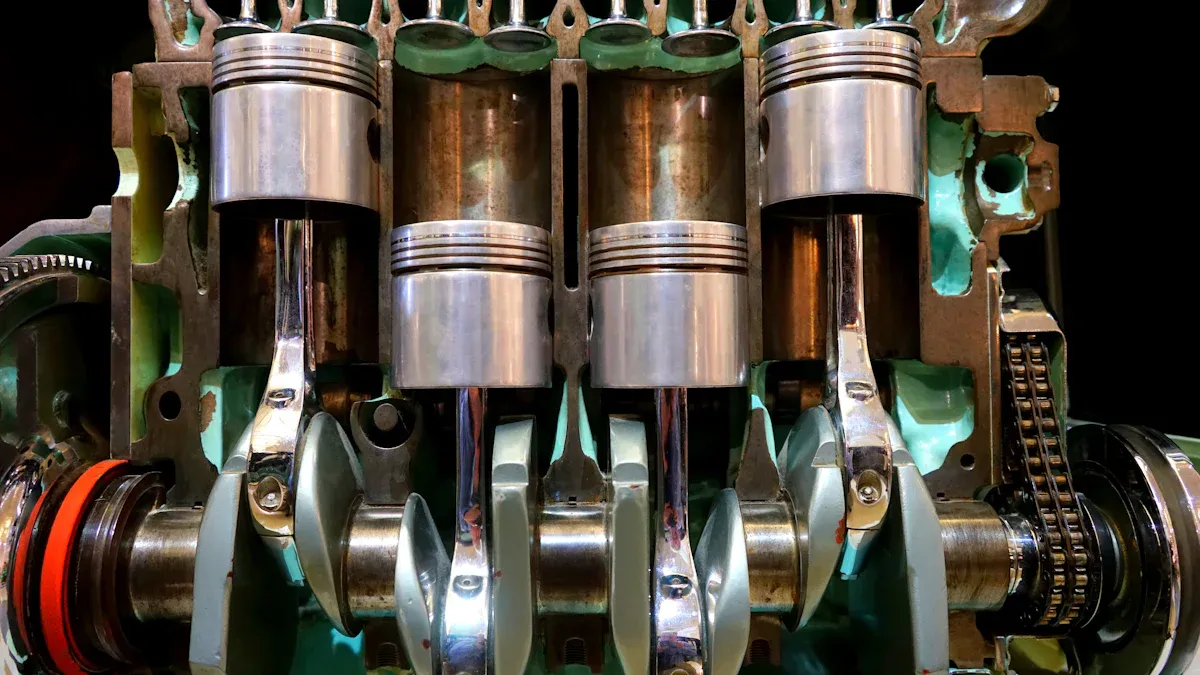
A piston rod, also known as a connecting rod, piston stem, plunger shaft, or piston shaft, is a crucial component in various industries. While these terms may refer to the same part, each name can signify a specific function or application. The piston rod material plays a vital role in determining the performance and longevity of the rod. Numerous companies, including a reputable china shock absorber piston supplier, offer a variety of rods tailored for different purposes.
Key Takeaways
A piston rod is also known as a connecting rod or piston shaft. It is very important in many machines. It links parts together and moves force from one part to another.
There are other names for piston rods. Some people call it a plunger shaft or piston stem. These names are used in certain fields like car making and hydraulics.
Using the right name for a piston rod helps people understand each other. It also stops mistakes when buying parts or talking about machines.
It is important to know the difference between similar parts. For example, piston pins and connecting rods are not the same. This helps you fix and take care of machines better.
Picking the best piston rod material is important. Some choices are high-strength steel or chrome-plated steel. This makes machines work better and last longer.
Piston Rod Synonyms
Synonym List
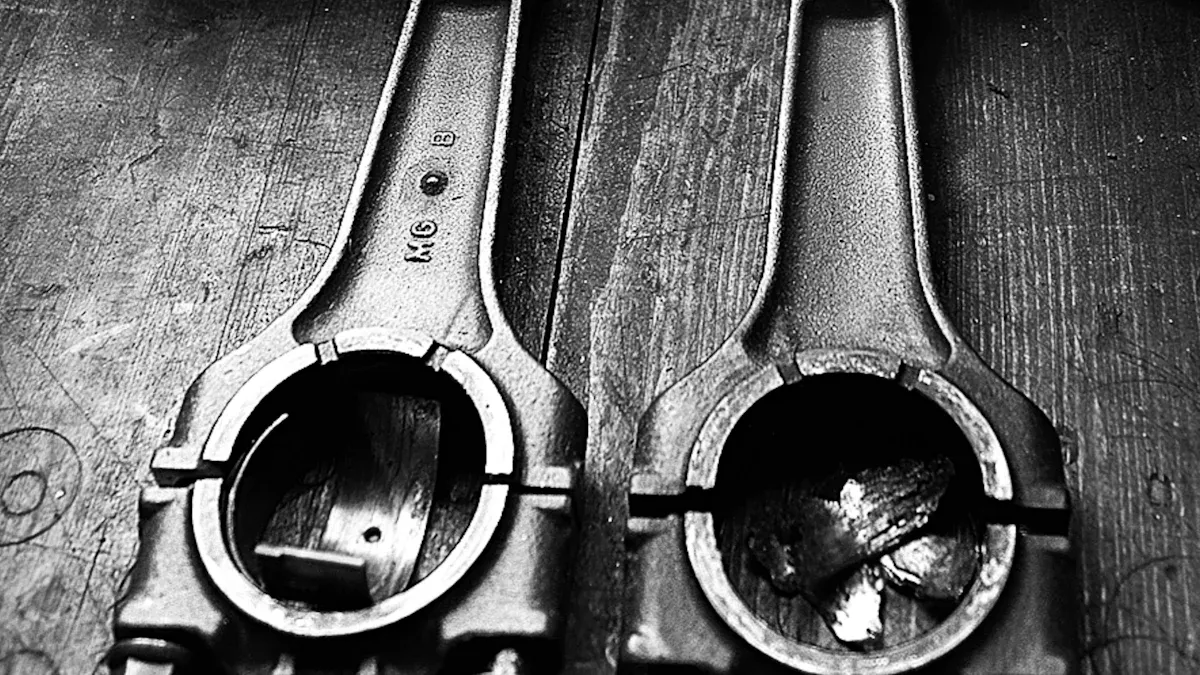
There are many words for the part called piston rod. These words show up in books, manuals, and glossaries. Here are the most common names:
Connecting rod
Piston stem
Plunger shaft
Piston pin
Rocker
Pitman
Link
Piston skirt
Piston shaft
Note: Some of these words mean parts that do similar jobs, but not all can always replace piston rod.
Synonym Explanations
Each word has its own meaning and use. The table below shows how these words are like piston rod and points out differences that might confuse people.
Term | Description | Common Usage Area |
|---|---|---|
Connecting rod | Joins the piston to the crankshaft and changes straight motion to turning motion. | Automotive engines |
Piston stem | Is the rod fixed right to the piston, often found in hydraulic and pneumatic systems. | Hydraulics, pneumatics |
Plunger shaft | Is the shaft in a plunger pump or actuator, much like a piston rod. | Pumps, actuators |
Piston pin | Joins the piston to the connecting rod and lets it move. | Internal combustion engines |
Rocker | Moves motion in linkages, but is not always another name for piston rod. | Valve trains, linkages |
Pitman | Changes turning motion to straight motion, used in steering. | Steering systems |
Link | Is a general word for any part that connects things in machines. | Various machinery |
Piston skirt | Is the bottom part of the piston, not a rod, but sometimes mixed up because of the name. | Engine pistons |
Piston shaft | Is another name for piston rod, mostly in shock absorbers and hydraulic cylinders. | Shock absorbers, cylinders |
The name piston rod started in the late 1700s. The word “piston” comes from French and Old Italian words that mean “pestle.” This shows how it is linked to pushing and moving in machines.
Mechanical engineering books teach students to tell these words apart. For example, a piston rod in a shock absorber is not the same as a connecting rod in an engine. The table below shows how books talk about different piston rods and what they are used for.
Type of Piston Rod | Material Description | Applications |
|---|---|---|
S45C piston rod | Made by cold drawing, peeling, grinding, polishing, and chrome plating. | Crankshaft |
S45C induction hardened rod | Medium carbon steel made harder by induction. | Injection molding machine |
SAE4140 quenched and tempered | Chromium-molybdenum steel, made strong by quenching. | Gears, crankshaft, shafts, etc. |
Tempered piston rod | Steel made tough by quenching and tempering. | Crankshaft, shafts, etc. |
Industry glossaries sometimes use “cylinder rod” for a rod fixed to the piston in a cylinder. When fluid goes into the cylinder, the piston and rod move together. Engineers must think about the forces on the rod when picking the right one.
Knowing these words helps people talk clearly about machines. Using the right word for piston rod makes sure everyone understands and avoids mistakes in technical talks.
Piston Rod in Industry
Automotive Terms
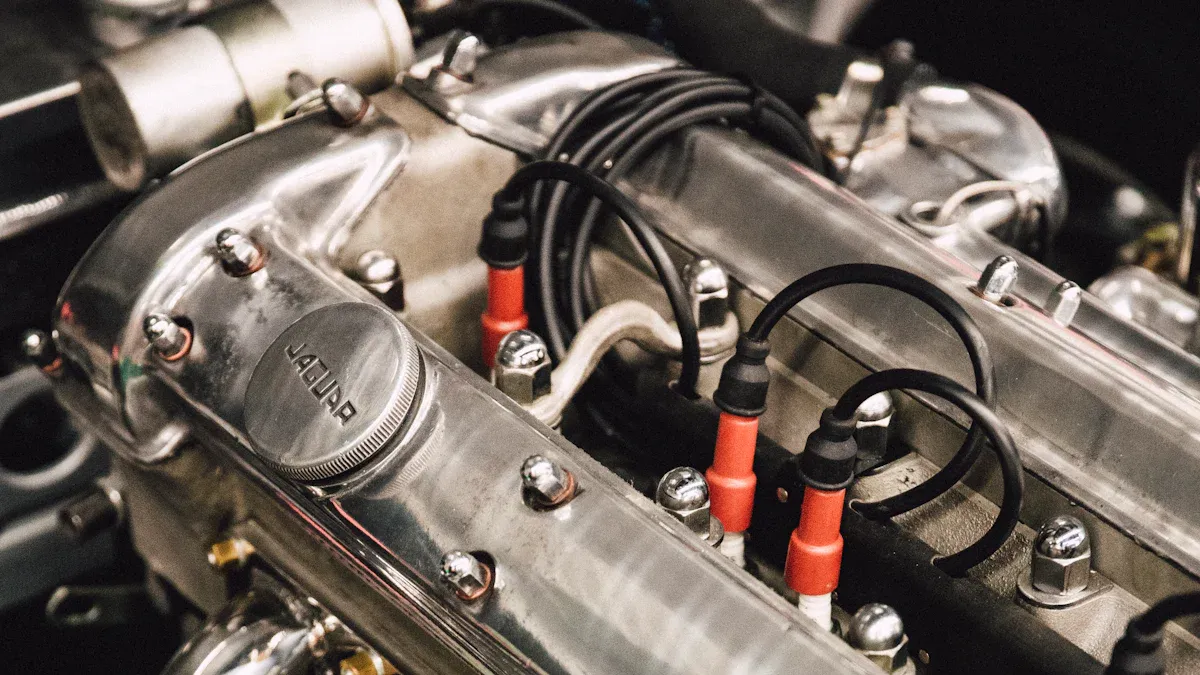
In the automotive world, people often use the term connecting rod when talking about engines. This part links the piston to the crankshaft. It helps change the up-and-down motion of the piston into a turning motion. However, in shock absorbers, the term piston rod is more common. The piston rod controls how the suspension moves. It helps the car stay stable and comfortable, especially on bumpy roads. Max Shock Absorber Piston Rods are a good example. These rods help keep tires in contact with the road. They also protect other parts of the suspension by absorbing shocks. Some piston rods have special coatings or are adjustable for different driving needs.
Hydraulics and Pneumatics
In hydraulic and pneumatic systems, the word piston rod is used most often. Manufacturers describe the piston rod as the part that moves force from the piston to the outside of the cylinder. Sometimes, people call it a piston stem or piston shaft. These rods must be strong and smooth to work well. They help machines lift, push, or pull heavy loads. In catalogs, companies list piston rods as key parts for cylinders and actuators.
Tip: Always check the product catalog for the correct name. Some companies use different terms for the same part.
Other Applications
Many machines use rods that look like piston rods. In pumps, the plunger shaft moves liquid or gas. In steering systems, the pitman arm changes turning motion into straight motion. The word link can mean any part that connects two pieces. Each industry may use a different name, but the job is often similar. For high-load machines, nitrided piston rods work best. These rods last longer and handle more stress, making them ideal for sports or off-road vehicles.
Usage Examples
Example Sentences
Here are some sentences that show how each synonym is used in real life. The connecting rod joins the piston to the crankshaft in a car engine. The piston stem moves inside the hydraulic cylinder and pushes the load. The plunger shaft sends force in a high-pressure pump. The piston pin lets the piston turn as the engine works. The rocker goes up and down to open and close engine valves. The pitman arm turns the steering wheel’s spin into side-to-side movement. The link joins two machine parts for smooth motion. The piston skirt helps guide the piston inside the cylinder. The piston shaft moves in and out of the shock absorber to take in bumps.
Note: Each sentence uses the word in its most common way. Sometimes, piston shaft and piston rod can mean the same thing in some machines.
Context Differences
People sometimes mix up these words because they look or sound alike. The table below shows where people might get confused and how to tell them apart.
Term | Common Confusion Point | How to Tell the Difference |
|---|---|---|
Piston rod vs. piston shaft | Both do similar jobs in engines and shock absorbers. Their names are often mixed up in technical writing. | Check the machine type and part drawing. |
Connecting rod | Sometimes called a piston rod, but it links the piston to the crankshaft. | Look for its job in changing motion. |
Piston pin | Not a rod, but a pin that lets the piston move. | It sits inside the piston, not outside. |
Piston skirt | Not a rod, but the lower part of the piston. | It guides the piston, not moves force. |
Both piston shaft and piston rod do similar things in engines. Their jobs can overlap when talking about engine parts and how they work. Different words in engineering or in different places can also make things confusing.
Tip: Always look at the technical manual or diagram to make sure you use the right word for the part.
Related Terms
Commonly Confused Parts
Lots of people mix up the piston rod with other machine parts. These parts work together in engines or machines. But each one does something different. Here are some names that often get mixed up:
Connecting rod
Piston pin
Piston shaft
Piston skirt
Plunger shaft
Note: Every part has its own job in engines or machines. Using the right name helps people avoid mistakes when fixing or replacing things.
Key Differences
The table below shows what makes each part special. It helps you see how they are not the same.
Part Name | Main Function | Where You Find It | Looks Like a Rod? |
|---|---|---|---|
Piston rod | Moves force from piston to outside of cylinder | Shock absorbers, cylinders | Yes |
Connecting rod | Links piston to crankshaft, changes motion type | Engines | Yes |
Piston pin | Lets piston swing on connecting rod | Engines | No (it is a pin) |
Piston shaft | Another name for piston rod in some machines | Shock absorbers, hydraulics | Yes |
Piston skirt | Guides piston inside cylinder | Engines | No (it is a skirt) |
Plunger shaft | Moves fluid in pumps or actuators | Pumps, actuators | Yes |
A piston rod moves in and out of a cylinder. It handles straight movement. The connecting rod changes up-and-down movement into spinning movement. The piston pin works like a hinge for the piston and connecting rod. The piston shaft is just another name for piston rod in some machines. The piston skirt is not a rod; it is the bottom part of the piston that keeps it steady. The plunger shaft helps pumps move liquids or gases.
Tip: Always look at the machine manual or diagram before buying parts. This helps you pick the right part for your fix or project.
There are many names for a piston rod. Some examples are connecting rod, piston shaft, and plunger shaft. Each name is used in a certain job or industry. Picking the right word helps people not make mistakes. The table below explains why using the correct name is important when buying parts like Max Shock Absorber Piston Rods:
Benefit | Why It Matters |
|---|---|
Clear communication | Buyers say what they need and do not get wrong orders. |
Better compatibility | Parts match well with the machines people already have. |
Easier negotiations | People do not get confused when making a deal. |
Learning these words helps everyone work together more easily.