
Magnetorheological (MR) systems represent a category of variable damping technology with ultra-fast response speeds.
MR Fluid & Electromagnetic Coils
MR shock absorbers adopt fluid containing ferromagnetic particles; when the coil is energized, the flow resistance of the fluid is altered.Simplified summary: It is an intelligent hydraulic fluid whose thickness can be adjusted remotely via electrical signals.
1. Definition & Working Principle
MR fluid contains tiny ferromagnetic particles. When the electromagnetic coil generates a magnetic field, the alignment of particles changes, varying the fluid’s flow resistance as it passes through valve orifices.Analogy for non-technical readers: It is like honey whose viscosity can be remotely controlled—its flow resistance shifts immediately with signal adjustments.
2. Common Materials
Material selection does not solely rely on mechanical strength; wear resistance, corrosion resistance, thermal stability, friction performance, machining cost and batch consistency are all taken into account simultaneously.
| Component/Material | Purpose | Key Considerations |
| Carrier Fluid | Suspends particles and provides baseline fluidity | Viscosity-temperature performance and sealing compatibility are critical |
| Ferromagnetic Particles | Adjust rheological properties in response to magnetic fields | Particle sedimentation and abrasive wear must be controlled |
| Dispersants/Anti-Settling Additives | Maintain uniform particle distribution | Determines long-term service stability |
| Copper Coils & Magnetic Circuit Steel Components | Generate and guide magnetic flux | Heat resistance and electrical insulation are vital |
3. Manufacturing Processes
- MR Fluid Formulation & Dispersion
- Particle Stability Inspection
- Magnetic Circuit & Valve Body Machining
- Coil Winding & Potting
- Clean Assembly of Complete Units
- Current-Damping Curve Calibration
Note: Different manufacturers adopt proprietary material grades, surface treatments and inspection standards. This document elaborates on common public manufacturing practices for mass-produced passenger vehicles, modified suspension kits and high-performance shock absorbers.
4. Functions in Shock Absorbers
- Rapidly adjust damping force
- Enable switching between comfort and sport suspension modes
- Deliver real-time responses based on road conditions and vehicle body posture
- Partially reduce complexity of conventional mechanical valve assemblies
5. Distinctions Between Different Configurations
| Configuration | Characteristics | Functional Differences in Shock Absorbers | Suitable Application Scenarios |
| Single-Coil Structure | Simple control logic | Basic variable damping performance | Ordinary passenger vehicles |
| Multi-Coil / Multi-Channel Structure | Finer control range | Faster response and more flexible damping curves | High-end suspension systems |
| Hybrid Design with Conventional Valve Discs | Baseline mechanical damping plus electronic tuning | Retains fundamental damping when power is lost | Suspension systems requiring safety redundancy |
6. Quality Control & Common Failure Modes
| Inspection Focus | Significance | Failure Manifestations |
| Particle Sedimentation | Uneven particle distribution distorts damping characteristics | Gradual drift of long-term performance |
| Coil Insulation | Coils operate under high-temperature hydraulic fluid | Electrical short circuits or complete component failure |
| Current Calibration | Governs damping response output | Abnormal performance gap between suspension modes |
Observable symptoms for end users and maintenance technicians:
- System locks at default damping level upon malfunction
- Narrower adjustable damping range after long service life
- Suspension warning light triggered by electrical faults
7. Core Takeaway
MR technology regulates the intrinsic flow resistance of hydraulic fluid through electromagnetic fields, serving as a core solution for semi-active suspension systems.
Disclaimer: Exact material grades, dimensional tolerances and process windows shall comply with manufacturer drawings, technical specifications and physical testing reports. This document is intended for internal training, cross-department communication and fundamental engineering comprehension only.
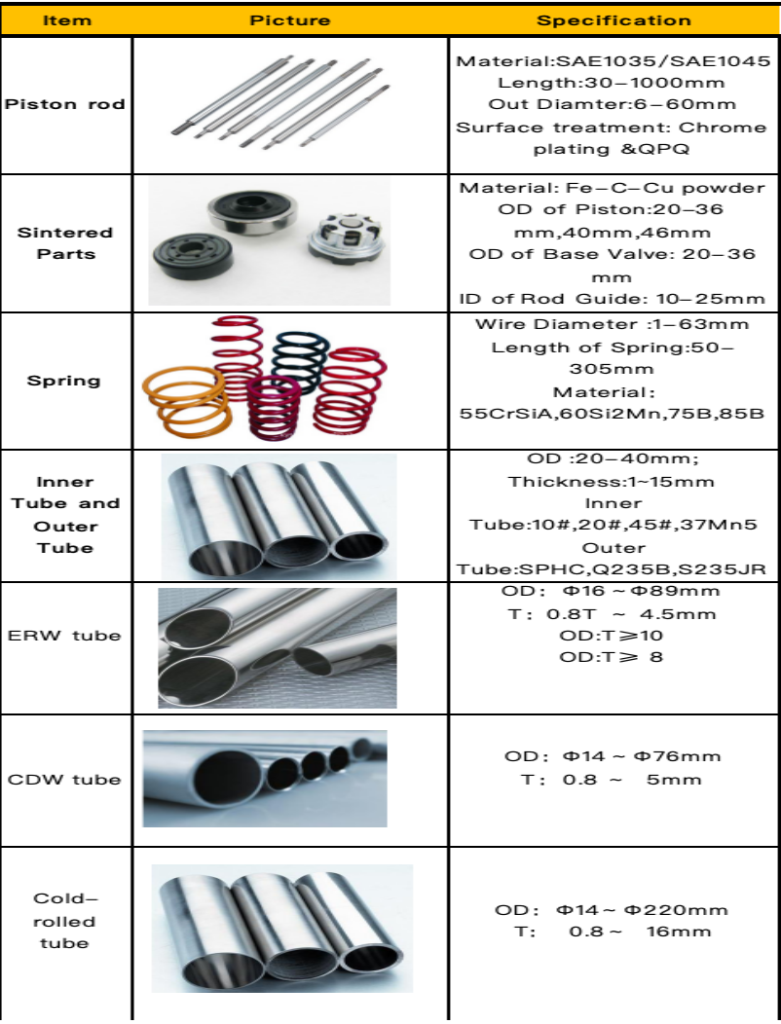
MAX products range include :piston rod, stamping part ( spring seat , bracket ) , shims , piston rod , powder metallurgy parts ( piston , rod guide ) , oil seal and so on .
✅Direct manufacturer
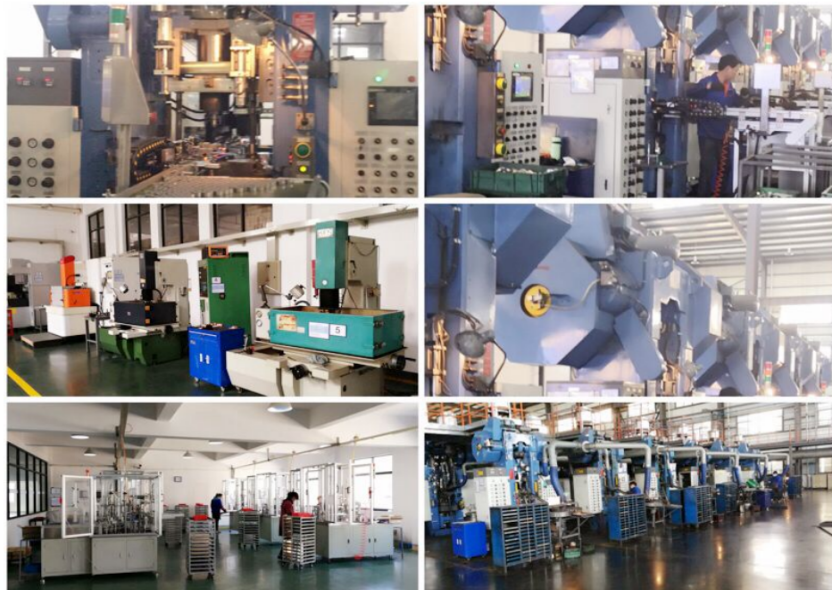
✅Customization team
✅ Quality inspection team ,12-month warranty Worry-Free After-Sales Service
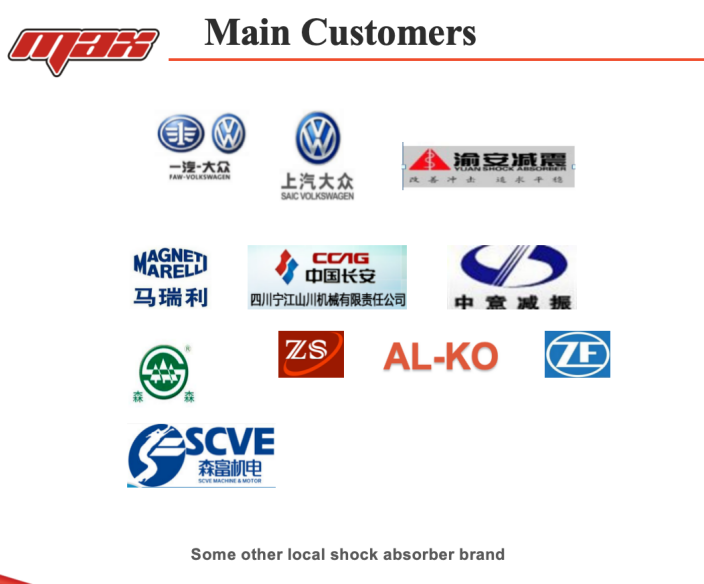
Contact us for quotation & custom solutions✔ Competitive Price | ✔ Stable Quality | ✔ Fast Delivery | ✔ Global Supply