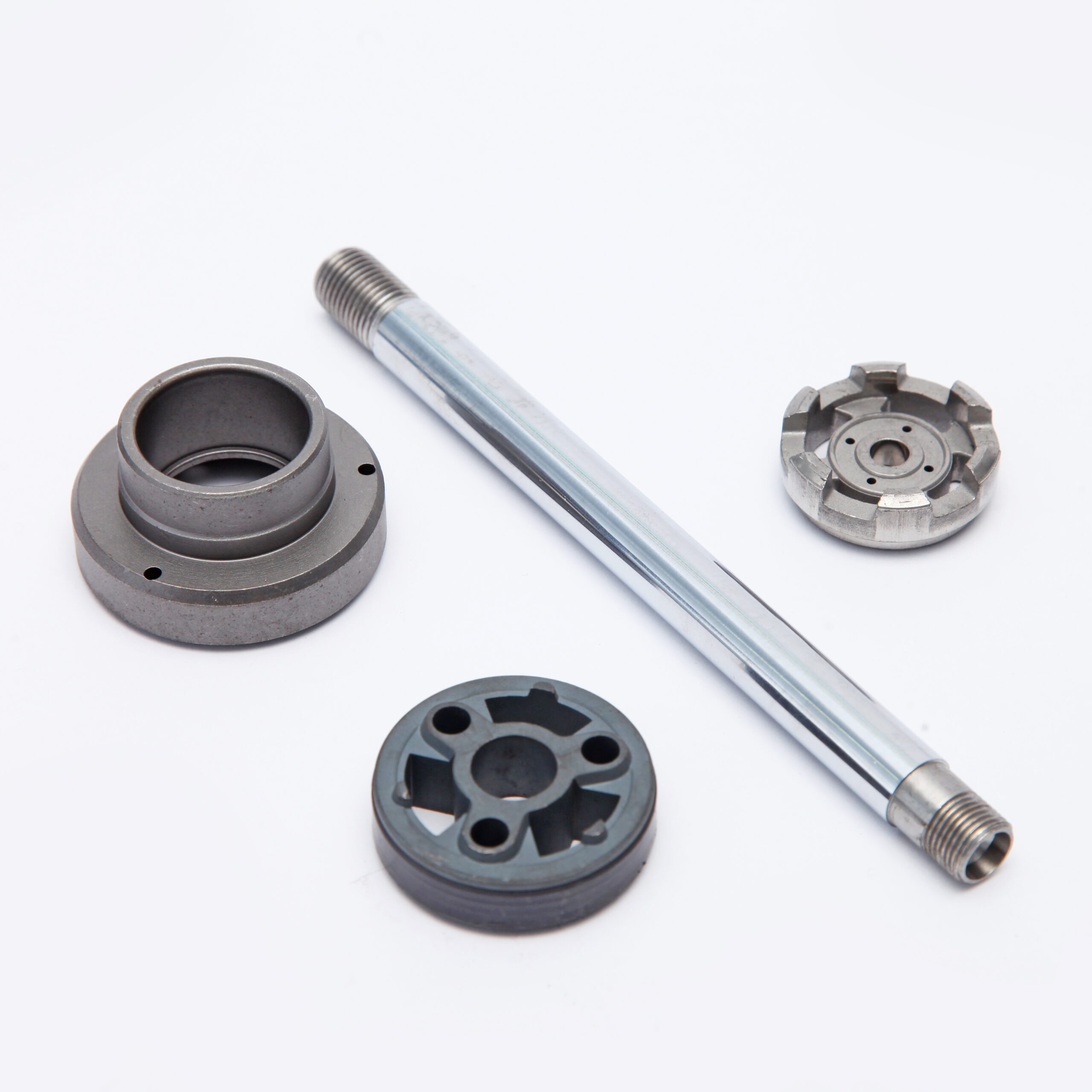
External Gas Reservoir / Remote Accumulator: Materials, Manufacturing Processes, Functions & Type Differentiation
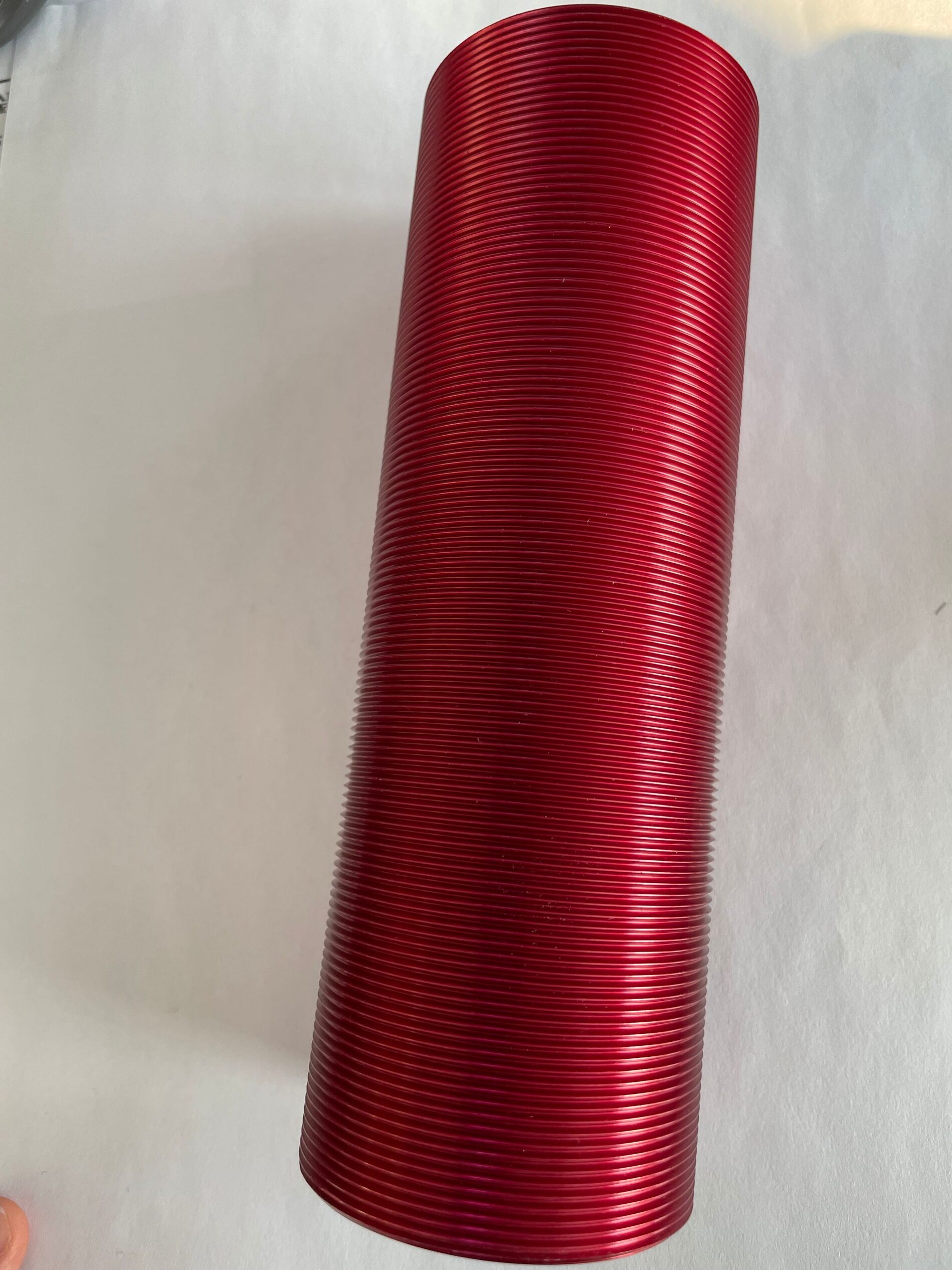
External gas reservoirs are widely adopted in off-road vehicles, racing cars and heavy-duty shock absorbers. 1. Definition A remote accumulator stores extra hydraulic fluid, nitrogen gas and a floating piston; some variants integrate compression adjustment valves. It delivers expanded internal volume for the main shock body and enhanced thermal capacity. Layman’s analogy: It acts as an external cooling module and expansion bay for a computer, preventing overheating under sustained high-load operation. 2. Common Construction Materials Material selection balances tensile strength, wear resistance, corrosion resistance, thermal stability, frictional performance, machining cost and mass production consistency. Component / Material Application Rationale Key Considerations Aluminum Alloy Vessel Low mass, superior heat dissipation, ease of precision machining Anodize surface for anti-corrosion protection Steel Fittings & Hoses High pressure resistance and vibration fatigue tolerance Sealing integrity and cyclic fatigue performance are critical Floating Piston / Gas Bladder Physical separation of hydraulic oil and nitrogen gas Seal degradation induces aeration/foaming of oil Nitrogen Gas Provides pre-charge pressure Pre-set pressure directly governs damping performance characteristics 3. Manufacturing Workflow Note: OEMs implement proprietary material grades, surface finishing protocols and acceptance criteria. This document outlines universal industry practices for mass-produced passenger vehicles, aftermarket modified suspensions and high-performance shock absorbers. 4. Core Functions within Shock Absorber Assemblies 5. Classification & Performance Differentiation Type Core Characteristics Functional Distinction in Shock Absorber Optimal Application Scenarios Hose-Coupled Remote Reservoir Unlimited mounting positional flexibility Unrestricted heat dissipation and layout adaptability Off-road vehicles, motorsport racing Piggyback Mounted Reservoir Rigidly secured alongside main shock body Ultra-compact integrated assembly Motorcycles, lightweight off-road buggies Valve-Integrated Reservoir Built-in compression damping adjuster On-site fine-tuning of compression response Premium aftermarket performance suspension builds 6. Quality Control Standards & Common Failure Modes Inspection Focus Engineering Significance Post-Failure Symptoms Hose Pressure & Fatigue Endurance Sustained cyclic vibration and bending stress during vehicle operation