NEWS

Do motorcycle brake pads need shims?

You might be wondering whether your motorcycle requires brake pad shims. These small metal components can enhance your motorcycle’s safety, help the braking system function more effectively, and reduce noise. Similar vibration control principles are also applied in shock absorber systems. Not all brake pads require shims, so please verify your specific motorcycle model first. Motorcycle brake pad shims are distinct from suspension shims—such as MAX Shock Shims—which are designed for use within the suspension system. Understanding this distinction will help you select the appropriate parts for your bike. Key Takeaways What Are Motorcycle Brake Pads Shims? Purpose and Function You may be wondering about the function of motorcycle brake pad shims. These thin metal or rubber plates are installed between the brake pads and the calipers. They help enhance braking performance and extend the service life of the braking system. The table below outlines their primary functions: Function Description Noise Reduction Rubber gaskets reduce noise and vibration, resulting in a more comfortable riding experience. Alignment Shims help align the brake pads with the brake discs, thereby achieving optimal results. Heat Shielding They keep brake pistons from getting too hot, which keeps you safer. Improved Braking Performance Shims help the brake pads make better contact with the brake discs, thereby enhancing braking performance. Reduced Wear and Tear They prevent uneven wear of brake components, thereby extending their service life. How Shims Reduce Noise and Vibration Occasionally, a piercing squeal can be heard when applying the brakes. This sound typically originates from vibrations occurring between the brake pads and the brake discs. Motorcycle brake pad shims act as a barrier, effectively absorbing these vibrations. Studies have shown that shims help eliminate the oscillations responsible for brake noise. In suspension systems, similar control is achieved through precision shock shims. Installing shims results

view detail

What are shock shims?

Shock shims are thin, flat metal discs that play a key role in controlling a vehicle’s suspension system. They allow you to fine-tune your vehicle’s performance over bumpy roads and rugged terrain. Research indicates that adjusting the settings of these components can have a significant impact on how a vehicle responds when navigating rough terrain or traveling at high speeds. MAX Shock Shims offer high-quality, customizable solutions for a wide range of vehicle models. Key Takeaways How Shock Shims Improve Suspension Performance Role in Suspension You rely on your vehicle’s suspension system to ensure a smooth and safe ride. Shock absorber shims play a crucial role within this system. Located inside the shock absorbers, they help regulate how the suspension responds to bumps, potholes, and rough terrain. As you drive over uneven surfaces, these thin metal plates modulate the movement of the suspension system. This enables your vehicle to adapt to sudden changes in road conditions while maintaining its balance. The result is improved handling, particularly when driving at high speeds or navigating sharp turns. Fluid Control Mechanism The function of a shock absorber shim is to regulate the flow of fluid within the shock absorber. When the vehicle travels over uneven terrain, the fluid flows through tiny gaps surrounding the shim. The manner in which the shim flexes and moves alters the volume of fluid passing through it. This process governs the responsiveness of the suspension system. By adjusting the size, thickness, or position of the damping shims, you can alter the resistance encountered by the hydraulic fluid. This enables you to fine-tune the suspension system to suit varying driving conditions. For instance, using thicker shims results in a firmer ride, whereas thinner shims yield a softer feel. You can also utilize a specialized component known as a “transition

view detail

What happens if you don’t shim valves?

Not shimming valves can cause big problems. The engine can get damaged fast, lose power, and need costly repairs. Drivers might have trouble starting, face overheating, or the engine might stop running. Valve shimming, including the proper adjustment of shim valves, is very important maintenance. If you skip it, your engine could get hurt and not work well.Regularly check the valve cover for oil leaks and monitor the shock absorbers for oil leaks or a decrease in vehicle ride comfort, replacing them promptly to prevent damage to the suspension system. Not doing valve shimming is always risky. Fixing it right away saves money and trouble. Key Takeaways Why Shim Valves Matters Valve Clearance Function Checking valve clearance is very important for engine care. Valves help air and fuel go in and let exhaust out. When the space between the valve and its parts is right, the engine works well. This helps the valves open and close at the right time. Good valve adjustment makes the engine stronger and quicker. It also makes the engine quieter and smoother. If the space is wrong, problems can happen. If it is too small, valves might not close all the way. This can make the engine lose power, be hard to start, get too hot, and burn valves. If the space is too big, the engine can get noisy and not work as well. Bad timing can wear out engine parts faster. Checking valve clearance often stops these problems and helps the engine last longer. Adjusting valves often keeps the engine healthy and saves money on repairs. Effect Description Increased Wear Wrong shim size makes the camshaft and valves hit each other more, which wears them out faster. Overheating If valves do not close right, the engine can get too hot from too much

view detail

Can powdered metal connecting rods be reconditioned?

Powdered metal connecting rods are hard to fix. Many engine rebuilders, mechanics, and car fans wonder if these parts can be used again. This is important because strong and safe connecting rods help the engine work well and stay safe. Key Takeaways Powdered Metal Connecting Rods: Reconditioning Basics Material Properties and Serviceability Powdered metal connecting rods are used in many small-block chevy engines. Makers press metal powder together very hard, then heat it up to make a strong rod. This way, the rods turn out the same every time and fit well. These rods are lighter than forged rods and still strong enough for normal driving. But they are not as tough as forged rods. If a rod bends or cracks, it is hard to fix. The powdered metal might not stay strong after damage. It can lose power and not work as well. Engine builders pick forged rods for engines that need to handle a lot of force. Forged rods are easier to fix and last longer under stress. Powdered metal connecting rods are good when new, but they do not last as long if they get damaged or used a lot. Inspection and Cleaning Methods Before fixing them, mechanics check powdered metal connecting rods for problems. They use different ways to look for cracks or other issues: Magnetic particle inspection is a safe way to test rods. It helps experts find cracks that could make the rod unsafe. Cleaning is important before repairs. Mechanics use degreasers to clean off oil and dirt. Sandpaper or wire brushes take away rust and old stuff. Metal polish makes the rods shiny and ready for more work. These steps help make sure powdered metal connecting rods are safe and work well in small-block chevy engines. Reconditioning Methods and Limitations Common Techniques and

view detail

What is a piston rod?

A piston rod is an important part in cars. It links the piston to the outside part of the shock absorber. This link lets the shock absorber control how the car moves over bumps. The piston rod moves force and motion from the wheels to the suspension. It controls oil flow and keeps the shock absorber closed tight. This helps keep pressure steady and stops leaks. MAX Auto Parts makes piston rods that are strong and work well. Knowing about the piston rod helps drivers see how it keeps cars safe and steady. Key Takeaways Piston rod function Motion and force transfer The piston rod works like a bridge. It connects the piston to other parts in the car. It links the piston to the crankshaft. This lets energy from the engine turn into movement. The piston moves up and down. The piston rod sends this motion to the crankshaft. This changes straight movement into spinning. This helps the engine run well and smooth. Some rules in science explain how the piston rod moves force. Pascal’s Law says pressure in a fluid spreads everywhere with no loss. This helps hydraulic systems make force stronger. The piston rod must handle high pressure and bending. So, makers use strong materials to build it. The piston makes straight force by moving in the cylinder barrel. The size and smoothness of the piston matter for how well it works and how long it lasts. Some problems can make the piston rod fail. Using pliers when putting it in can scratch the surface and cause leaks. If the top nut is not tight enough, the parts can come loose. This can be dangerous. Broken threads or washers can also hurt the piston rod. Checking and caring for the piston rod often helps stop these problems.

view detail

What are signs of failing coil springs?

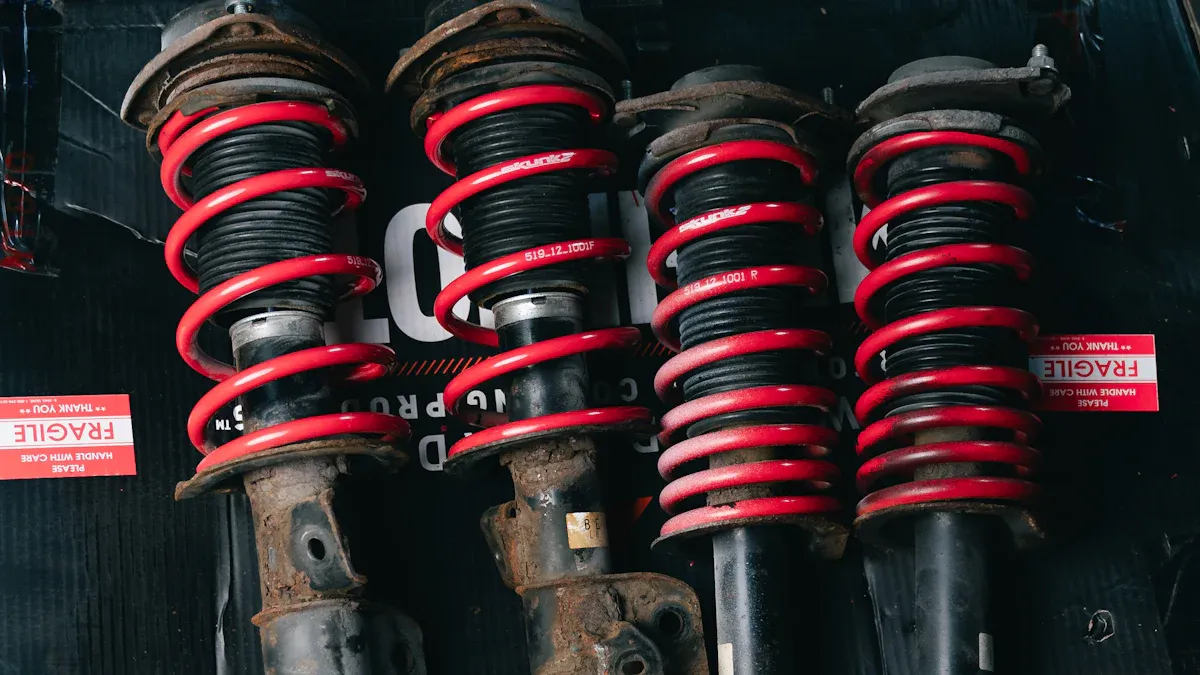
Drivers can see warning signs when coil springs start to fail. These signs are uneven ride height, weird noises, and changes in how the car handles. Finding these problems early keeps the suspension system safe. It also stops expensive repairs. People might hear clunking or see corners that sag. Key Takeaways Uneven Ride Height Car Sits Lower or Higher Drivers often notice changes in how their vehicle sits on flat ground. A car should appear level from side to side and front to back. When coil springs start to fail, the vehicle may sit lower or higher at one corner. This change can happen slowly, making it hard to spot at first. People sometimes see one wheel tucked closer to the fender or a gap that looks larger than usual. These signs show that the suspension is not holding the car evenly. Tip: Park the car on a flat surface and step back to check if all corners look balanced. If one side sits lower, it may signal a problem with coil springs. Many causes can lead to uneven ride height. Some of the most common include: Sagging Corners Sagging corners are a clear sign that something is wrong with the suspension. When a coil spring loses strength, the car may lean during turns or sit unevenly when parked. This condition affects stability and safety. Drivers might feel the car pull to one side or notice that the ride feels rougher. Vehicles with sagging corners often show these symptoms more than other suspension issues. A sagging vehicle is a primary sign of worn-out coil springs. These springs should keep the car balanced across all corners. If one corner sags, the suspension cannot support the weight properly. This imbalance can lead to further problems, such as faster tire wear and poor

view detail

What is the process of piston rod manufacturing?

The piston rod manufacturing process has many careful steps. MAX Auto Parts uses advanced CNC machining, surface treatments, and automation to make shock absorber piston rods that are high quality. Key Takeaways Piston Rod Material Selection Common Materials Manufacturers pick strong materials for piston rods. Most use steel because it is tough and lasts a long time. Chrome plating goes on top of the steel. This helps stop the rod from getting scratched or rusty. Stainless steel is another choice if rust is a big problem. MAX Auto Parts uses high-quality steel and special chrome plating for their shock absorber piston rods. This makes the rods last longer and work well in hard situations. Note: Chrome plating gives the piston rod a shiny look. It also keeps the rod safe from rust and scratches. Selection Factors It is important to pick the right material for a piston rod. The material decides how long the rod will last and how well it works. MAX Auto Parts looks at many things when they choose materials for their shock absorber piston rods. Material Type Advantages Steel Great strength for building and mining Stainless Steel Stops rust in marine and chemical places Aluminum Light weight, helps cars use less fuel Composites Best wear resistance for special parts Good materials help the piston rod last longer and fight rust. They also help the rod handle different weights. MAX Auto Parts always picks materials that meet strict rules. This careful choice makes shock absorbers work better and keeps them safe. Forging and machining of piston rods Forging Process Manufacturers use a special process to make each piston rod strong and reliable. The journey starts with careful material selection. Many choose high-quality steel or special alloys because these materials can handle stress and last a long time.

view detail

Are coilovers better than springs?

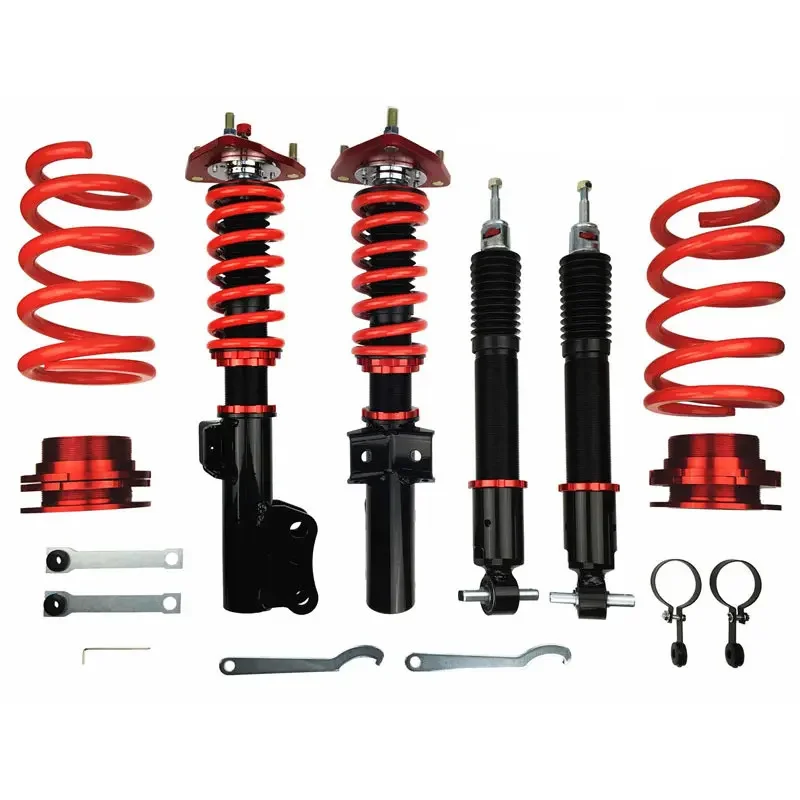
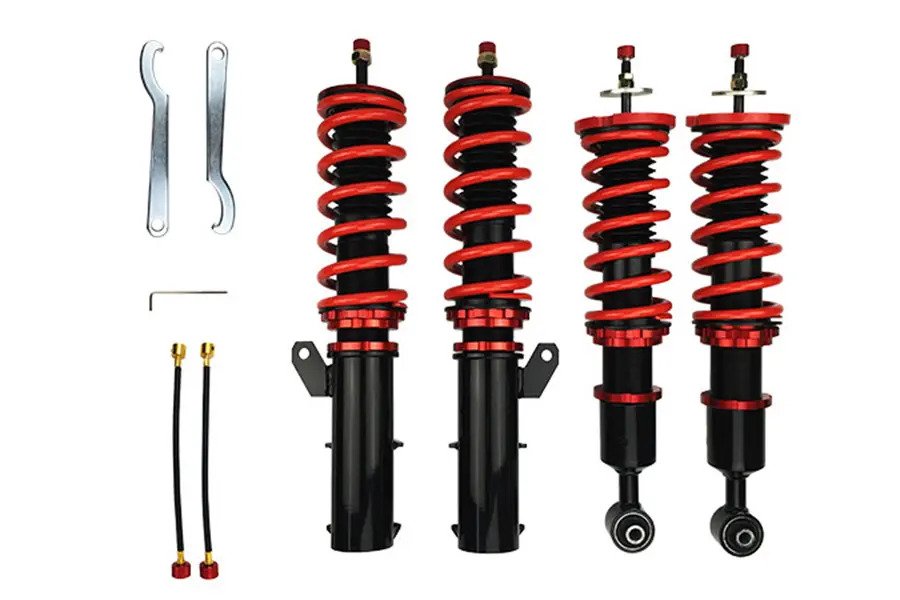
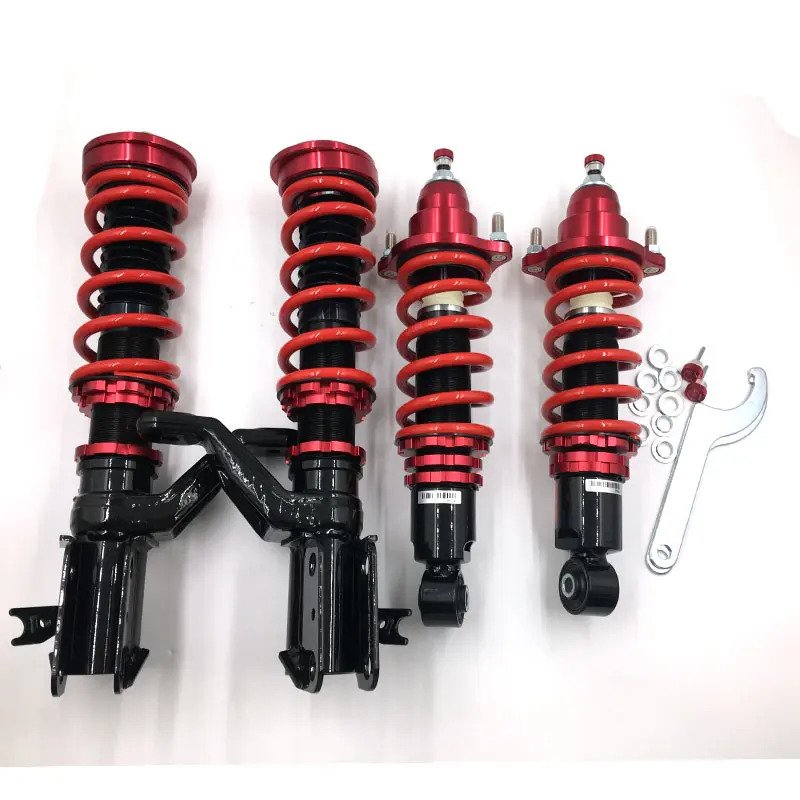
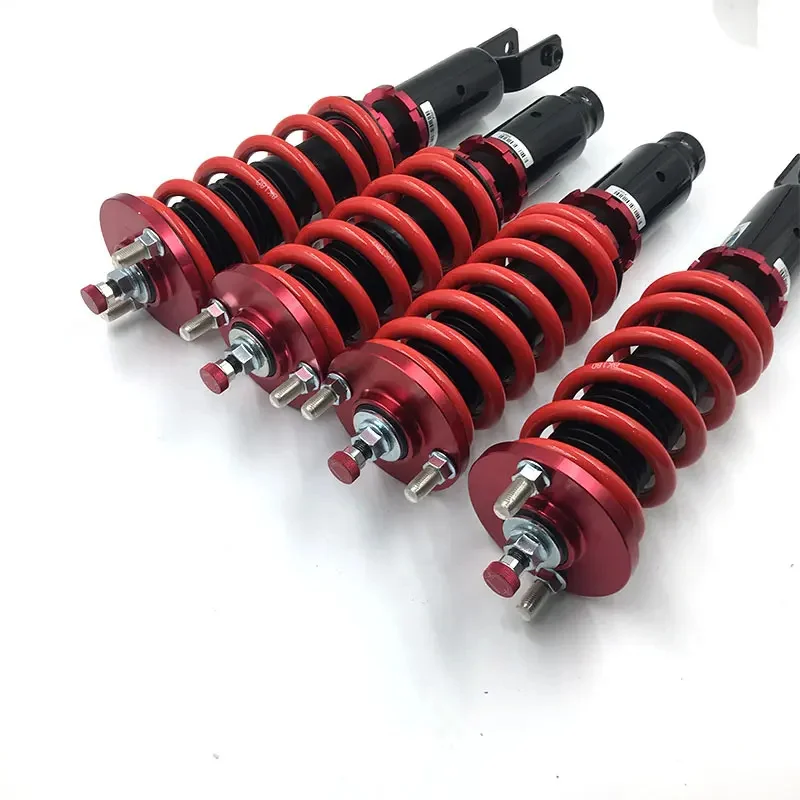
Coilovers are popular with drivers who want to change their suspension. They also help make a car drive better. Springs are good for people who want to save money. Springs also give a smoother ride. Surveys in the car industry show why people pick coil overs or springs. People choose based on how much they want to change their car, how comfy the ride is, and the price. MAX Auto Parts gives good coil overs and springs. They make sure every car gets quality parts. Key Takeaways Coilover shock absorber and spring performance Handling and Stability Coilover suspension alters a vehicle’s handling on the road. The driver can adjust the ride height and damping, and also change the vehicle’s angular weight balance, thereby improving stability during cornering. Springs only provide a fixed ride height, offering some improvement for everyday driving. Coilover suspension, on the other hand, makes cornering more responsive and braking more stable. The driver can adjust the spring seat of each coilover shock absorber, which helps balance the vehicle’s angular weight, allowing for better weight transfer and reducing body roll. Adjusting coilovers means changing compression and rebound damping. This changes how the car handles in turns and when braking. Drivers get a more responsive and predictable car. This leads to better cornering stability and braking. Track and Street Use Coilovers are better for handling and cornering on the track. Adjustable damping and stiffer valving give more control over weight transfer. Springs give limited improvements and may not last as long with heavy use. Coilovers work better on the track because you can adjust and tune them. Springs are good for street driving and focus on comfort and looks. For drivers who want real performance, coilovers are the best way to tune suspension and balance weight transfer. If drivers

view detail

How much should it cost to replace a coil spring?

Drivers often ask about the cost to replace a coil spring. Most repair shops estimate the total cost between $300 and $700, which covers both parts and labor. Some shops report parts costs from $500 to $800, with labor times around 8 hours, leading to totals as high as $1,600. Key Takeaways Coil Spring Replacement Cost Average Cost Range The cost of replacing coil springs depends on several factors, including vehicle type, location, and the quality of the suspension components. Most people find it to cost between $300 and $700 to replace coil springs at a repair shop. Some shops charge more, especially for high-end or sports cars. If the labor takes longer or better parts are used, the price can go up to $1600. The price of a single coil spring component typically ranges from $50 to $250. Labor costs for installing coil springs typically range from $300 to $800. If a four-wheel alignment is required after replacement, there may be additional charges. These prices are national averages, but actual prices may vary by state or city. Note: The cost to replace a coil spring can go up if the mechanic finds other suspension problems during the check. Labor vs. Parts Breakdown Mechanics charge for both the parts and the work when replacing coil springs. Labor costs change based on how hard it is to work on your suspension and where the coil spring is. Most shops need 1 to 2 hours to put in one coil spring. Labor prices are different in each area, and some places charge more because their shop rates are higher. Drivers should think about the quality of the suspension parts. MAX Auto Parts sells coil springs and other parts that meet strict rules. Their products help make sure the coil spring is installed

view detail

Can strut spacers damage suspension?

Strut spacers can hurt suspension if installed wrong or with bad parts. A spacer can put more stress on parts. This can cause them to wear out or have alignment problems. High-quality spacer and correct installation help lower these risks. Drivers should pick trusted parts and get expert help to keep their cars safe. Key Takeaways Spacer impact on suspension How strut spacers change suspension geometry Strut spacers can change how the suspension works. When someone adds a spacer, the control arms might sit at a sharper angle. This change can affect how the suspension moves up and down. In cars with independent suspension, these changes are easier to notice. After installing shock absorber pads, the technician should check the four-wheel alignment. Inaccurate alignment can prevent the vehicle from driving in a straight line and accelerate tire wear. Drivers should understand that even minor geometric changes can significantly affect suspension performance. Note: Always ask a professional to check the suspension after adding any spacer. This step helps keep the vehicle safe and comfortable. The impact of spacers on ride comfort and handling Strut spacers can change how a car feels on the road. When a spacer lifts the car, the suspension may not soak up bumps as well. The ride can feel harder or bumpier. Some drivers hear more noise or feel more shaking after adding spacers. Handling can change too. The car might lean more in turns or feel less steady at high speeds. These changes happen because suspension parts work at new angles. The tires may not touch the road as evenly as before. A spacer can also limit how much the suspension can move. This limit can make the ride less smooth, especially on rough roads. Drivers should watch for new sounds or changes in how the

view detail

Leave Your Message